
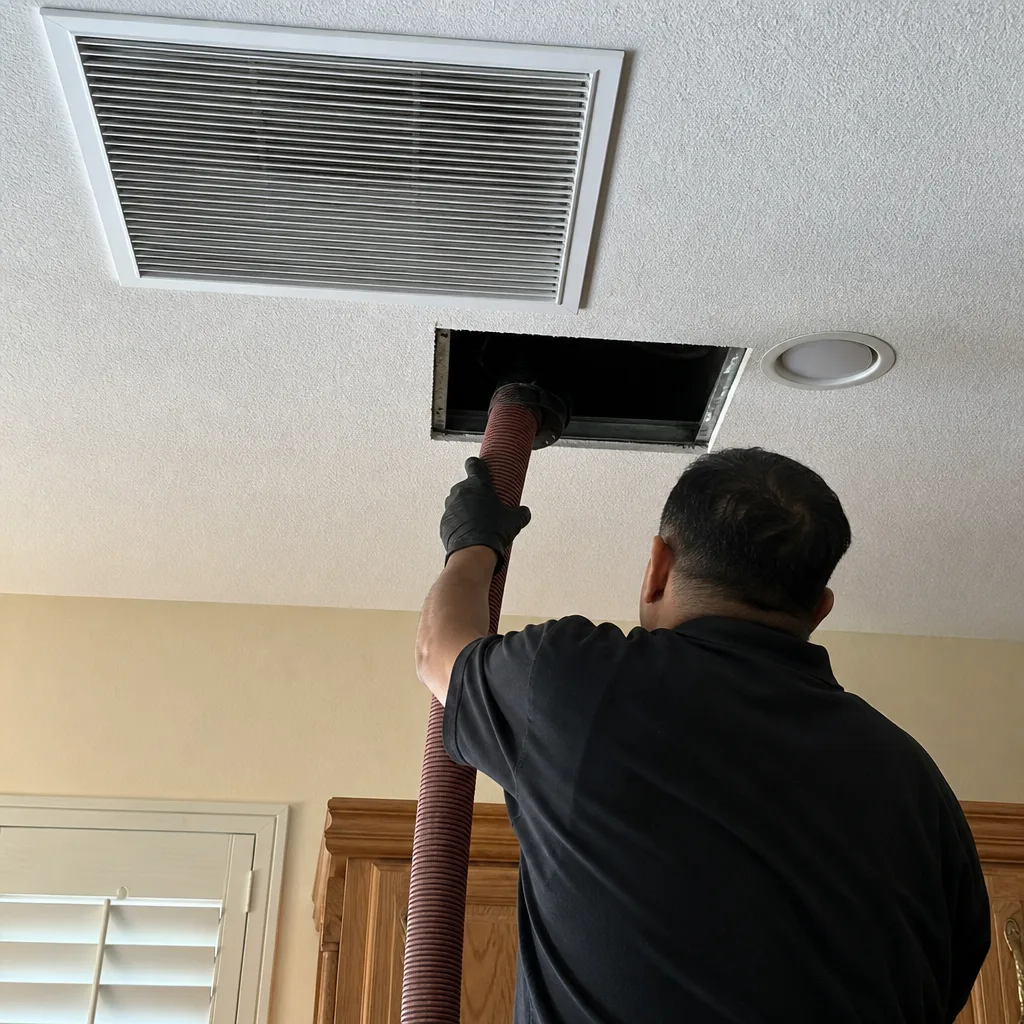
Whole-system duct and dryer vent check with before-and-after photos - you see exactly what came out of your vents
That "$99 whole-house special" is a bait ad - the real number appears once they are in your hallway, or the "clean" is a shop-vac at the register. We photograph the inside of your ducts before and after instead.
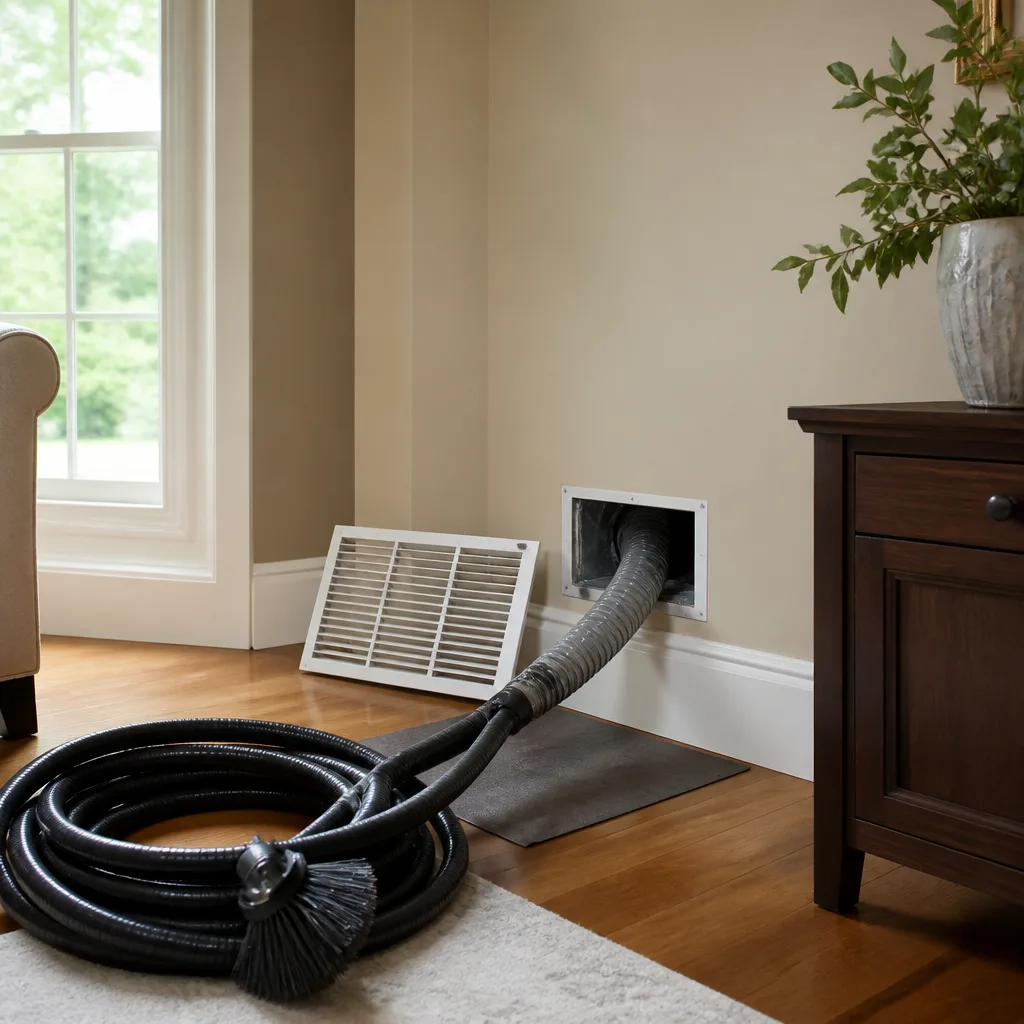
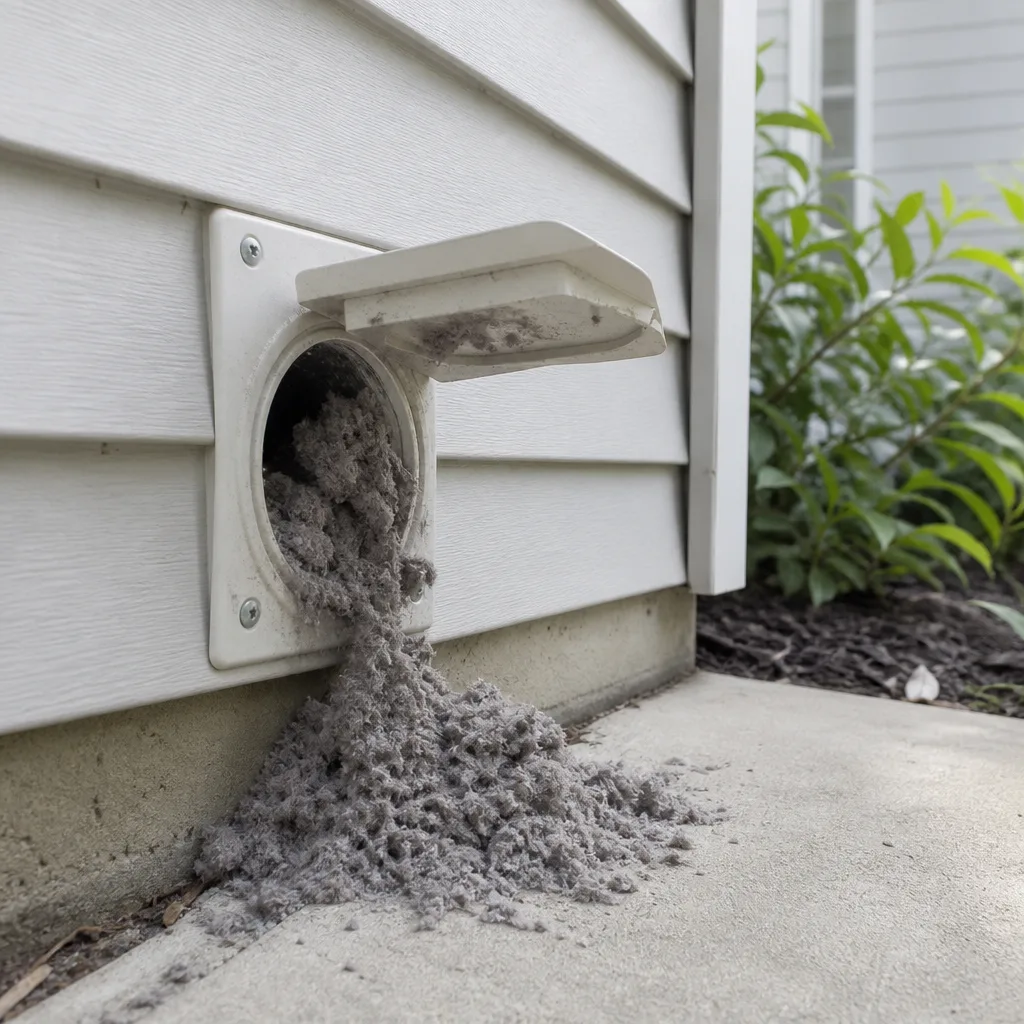
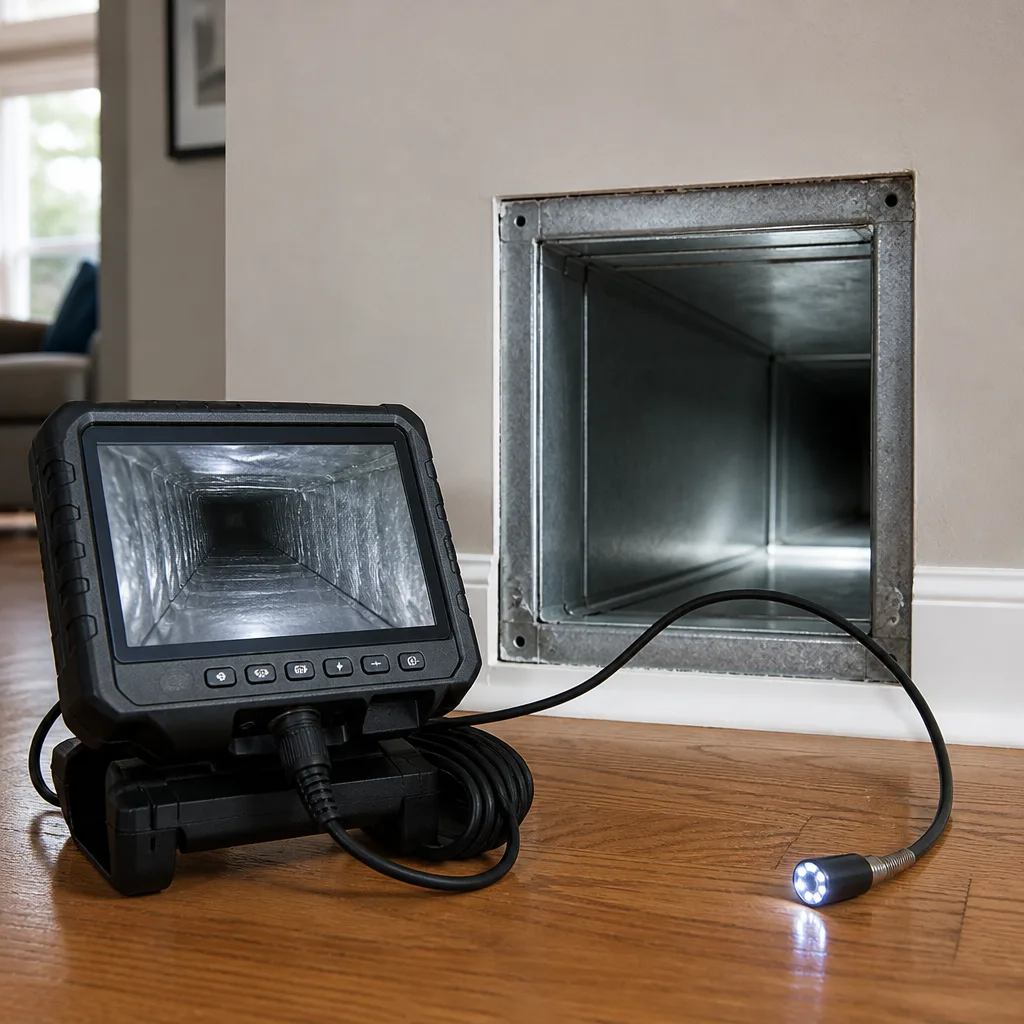
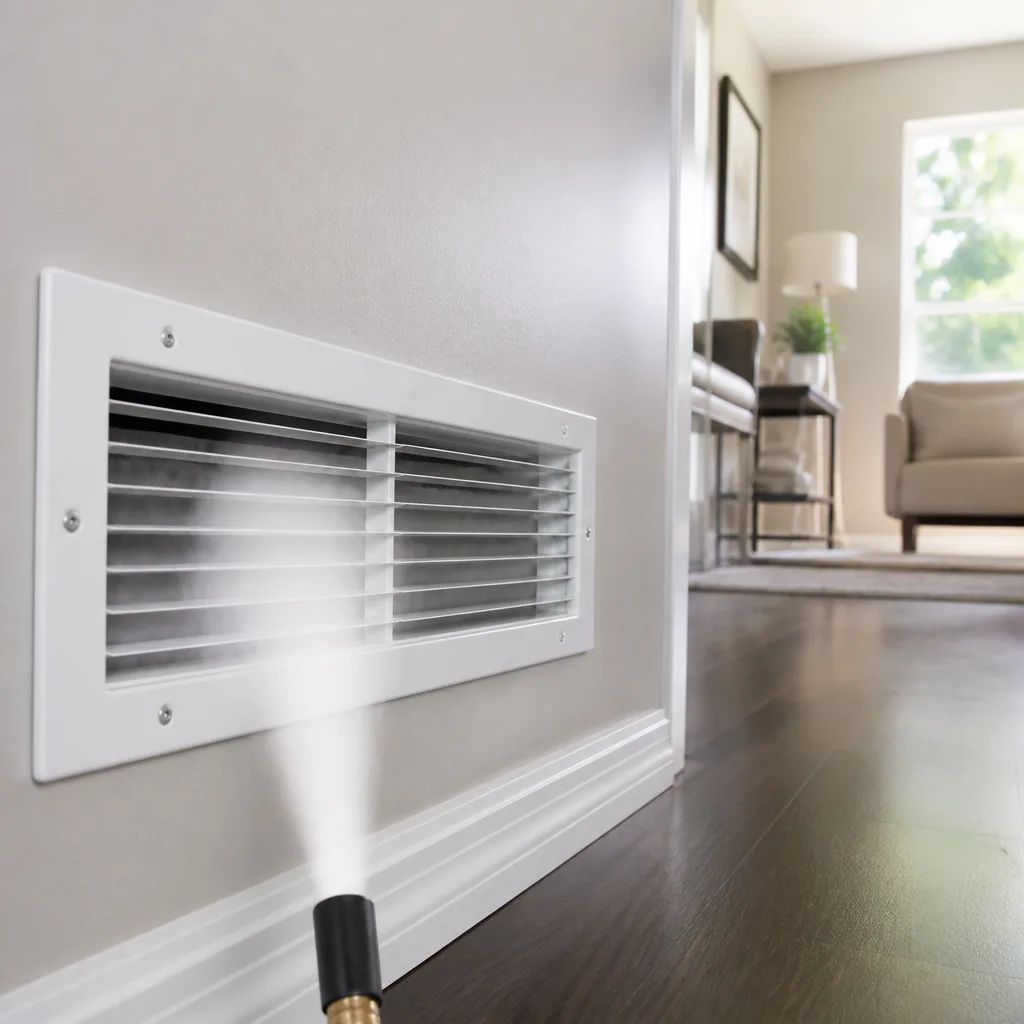
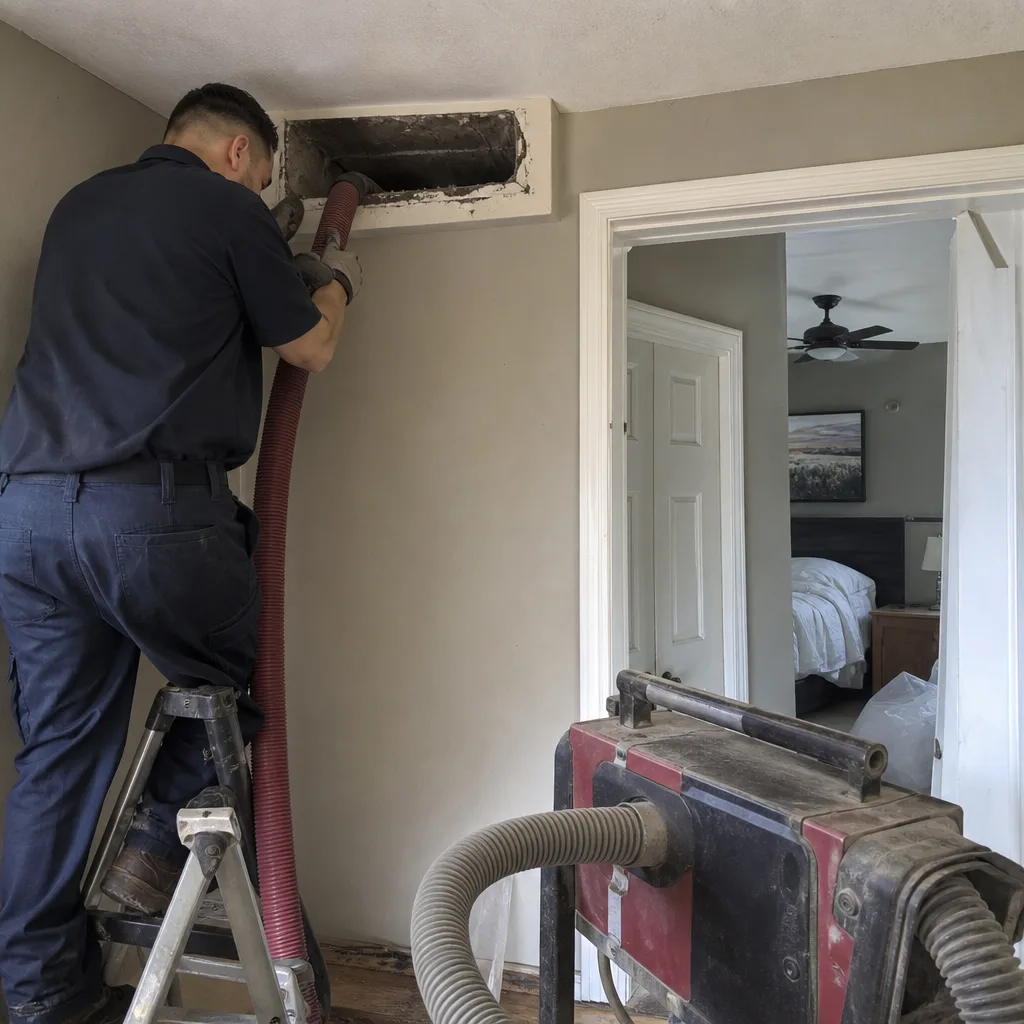 Before
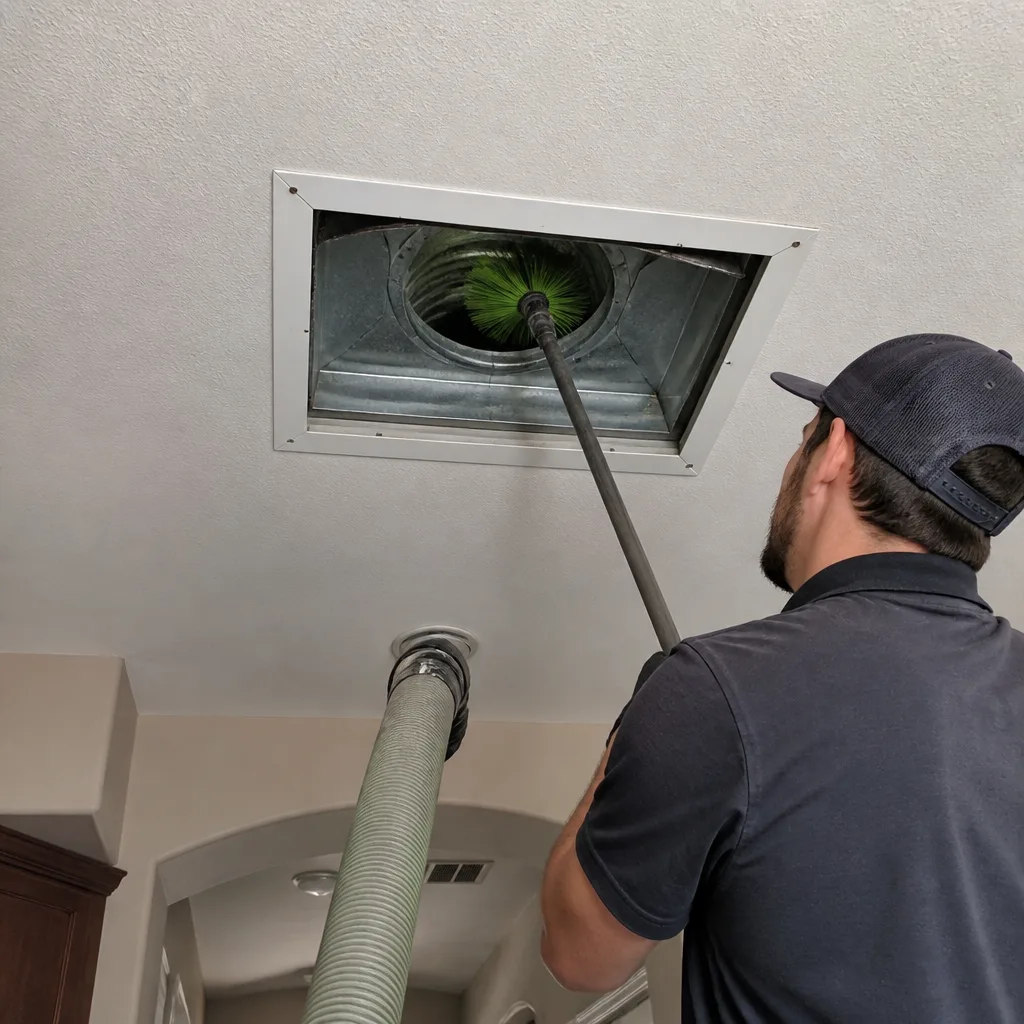 After
After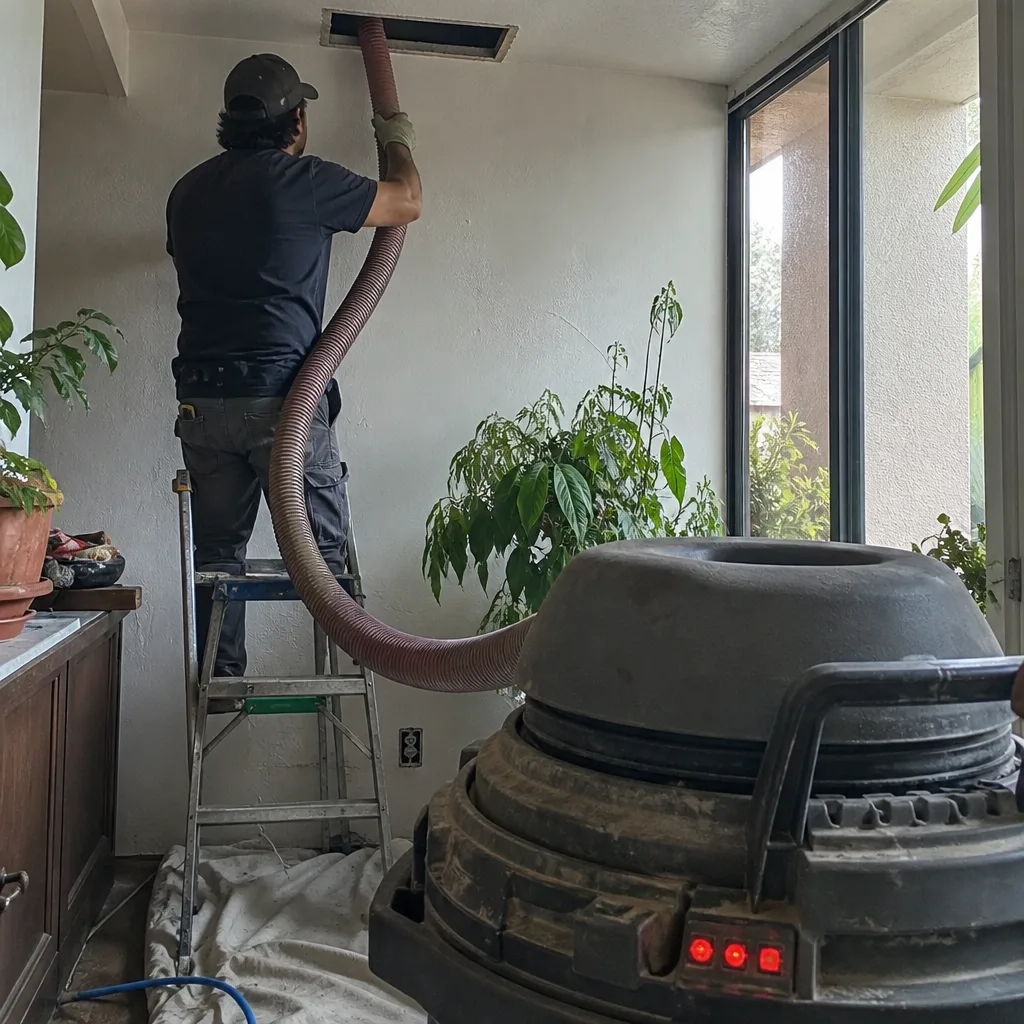 Before
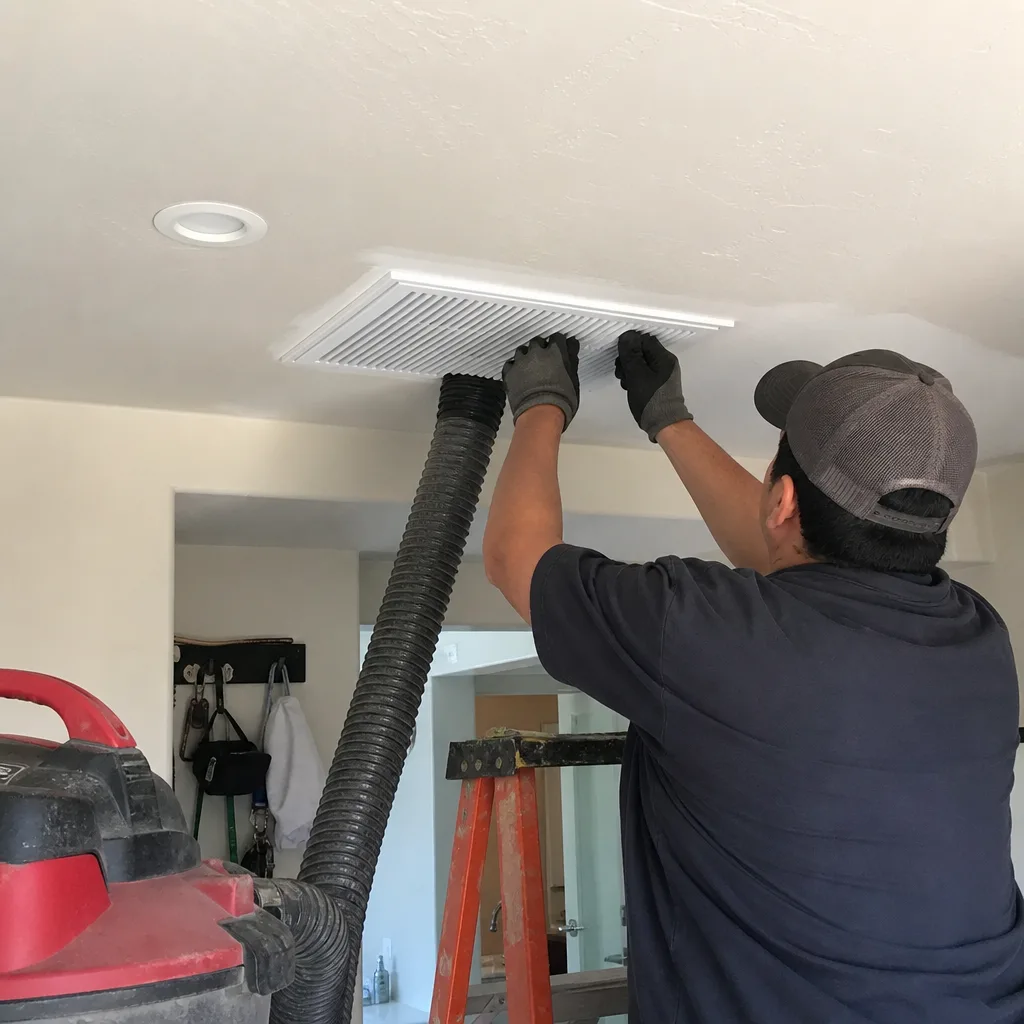 After
After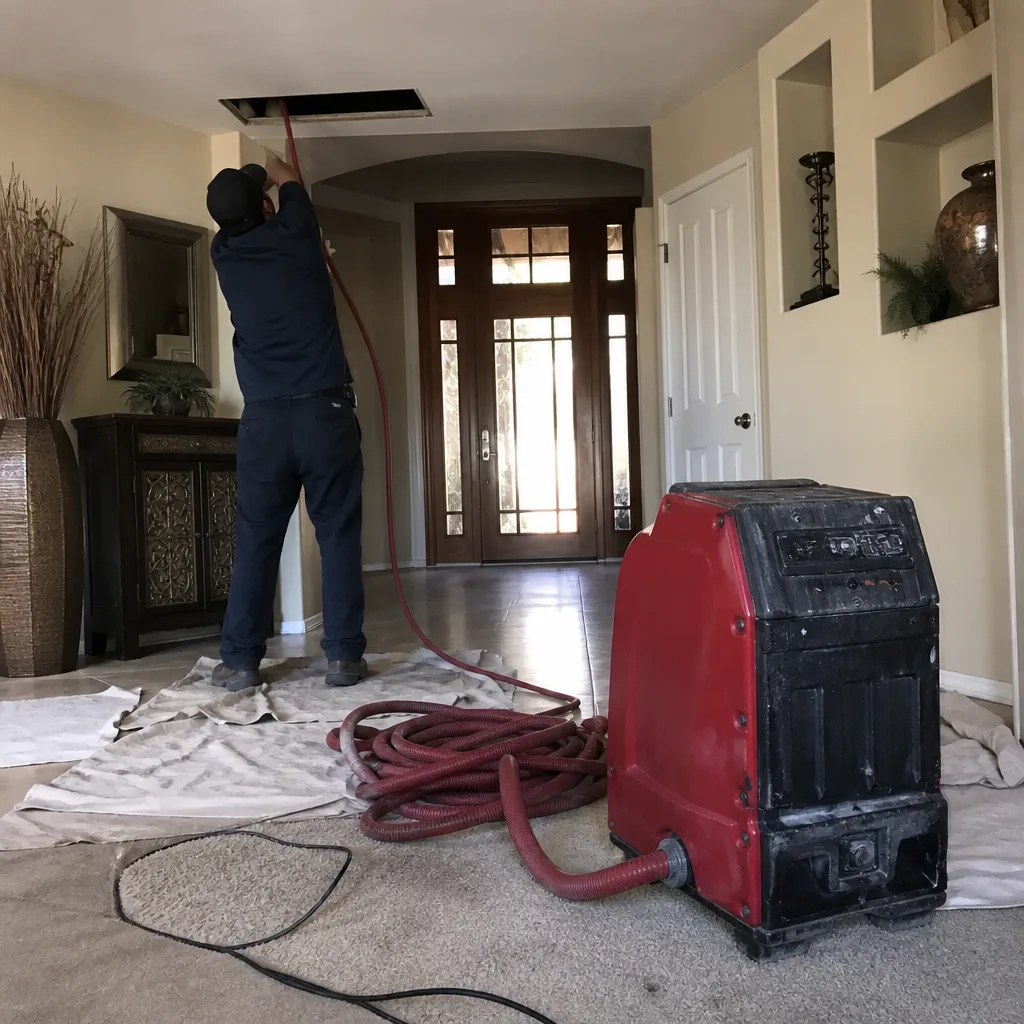 Before
 After
AfterGuardsman Vent Sanitizing: The Scottsdale Owner’s Guide
Guardsman vent sanitizing systems in Scottsdale typically run $340-$580 installed, depending on whether we’re replacing a single vent-mounted UV unit or a full in-duct sanitizing assembly tied to your air handler. We stock Guardsman-compatible lamps, ballast assemblies, and mounting hardware on every Scottsdale truck, and most replacements are completed in under two hours with the written price agreed before we touch a panel. Scottsdale homeowners usually discover the failure when they notice the sanitizing indicator light is out, catch a faint ozone smell that wasn’t there before, or realize their allergy symptoms spiked right after the unit should have cycled on.
Which Guardsman Models This Applies To
Guardsman vent sanitizing falls into two main series: the GVS-UV line (single-point UV-C lamps that mount at the register or inside a single duct run) and the GVS-ID line (in-duct systems with remote ballasts designed for installation at the plenum or air-handler cabinet). The GVS-UV units carry a white label on the lamp housing with a four-digit date code; GVS-ID systems have a black ballast box with a model suffix like -15, -25, or -40 indicating the rated lamp wattage. We’ve learned to check that suffix carefully. A GVS-ID-25 ballast will fire a 15-watt lamp dimly but will burn out a 40-watt lamp in weeks. The OEM Guardsman lamp runs $80-$120 retail, but we also stock a quality aftermarket equivalent from Abatement Technologies that matches the 253.7 nanometer UV-C output spec at roughly two-thirds the part cost. For most Scottsdale homes built between 2015 and 2020, the builder spec’d the GVS-UV-15 at the master bedroom and living room registers. If your home is in McCormick Ranch or the older Paradise Valley Village pockets, we’ve found those original units are now hitting their six-year lamp degradation window.
Signs Your Guardsman Vent Sanitizing Is Failing
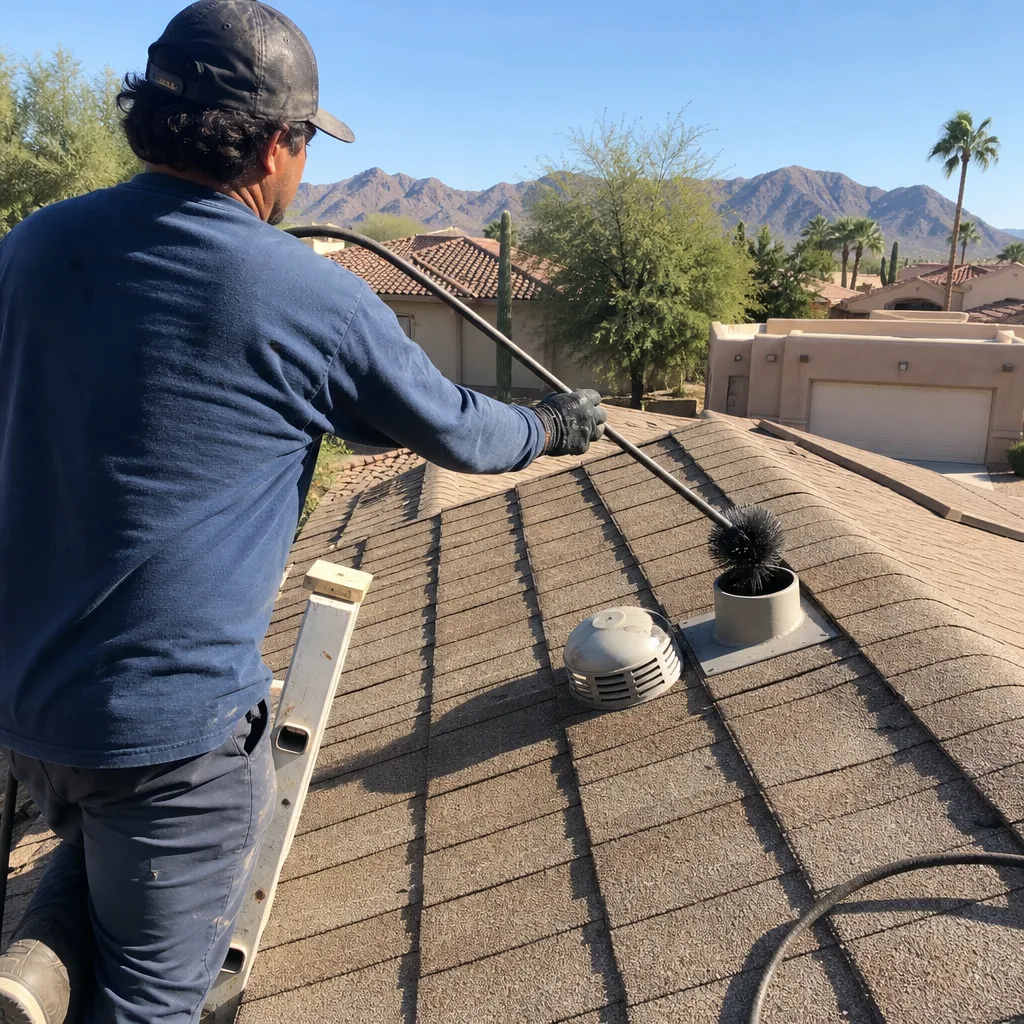
- The indicator light is dark or flickering. The UV-C lamp has a finite lifespan, typically 9,000 hours of operation or roughly 12-18 months in a Scottsdale home running the AC eight months a year. When the filament degrades, the ballast struggles to maintain arc stability, and the LED indicator reflects that intermittent power draw.
- You smell ozone or a sharp metallic odor near the register. A failing lamp can produce ozone if the UV wavelength shifts below 200 nanometers due to envelope degradation, or the ballast may be over-driving a degraded lamp. Either way, the chemistry is wrong and the unit is no longer sanitizing effectively.
- Allergy symptoms or musty odors return despite recent duct cleaning. The sanitizing system is supposed to suppress microbial growth on the coil and in the duct run. When it fails, the biological load rebounds within a few weeks, especially during Scottsdale’s monsoon season when indoor humidity climbs into the 50-60% range.
- The ballast hums loudly or runs hot. A properly functioning Guardsman ballast emits a faint 60-hertz hum. Loud buzzing or excessive heat at the mounting location means the ballast is failing to regulate voltage, which will damage the replacement lamp if you only swap the bulb.
- Visible corrosion on the lamp pins or socket. Arizona’s hard water and occasional condensate back-up create mineral deposits on the ceramic socket. The camera doesn’t negotiate - it just shows what’s in there - and we’ve pulled units where the pin corrosion was so advanced the lamp separated from the base when we tried to remove it.
BeforeAfterReplacement Cost & What’s Included
In Scottsdale, a single GVS-UV vent-mounted replacement runs $340-$420, while a full GVS-ID in-duct system with ballast swap runs $480-$580. The range reflects three factors: whether we can reach the unit from a standard ceiling access or need to cut and patch drywall, whether the ballast is still viable or needs replacement too, and whether the original mounting bracket has cracked from heat cycling. Every quote is written before work starts under Haven Standard Clause 1, and the price covers the part, labor, a new mounting gasket, and a post-installation photo of the lit lamp through a UV-filtered camera so you can verify it’s actually producing UV-C, not just glowing purple. The 365-Day Done Right Promise applies to the installation and electrical connections; the lamp itself carries the manufacturer’s rated-hour warranty.
DIY or Call Us?
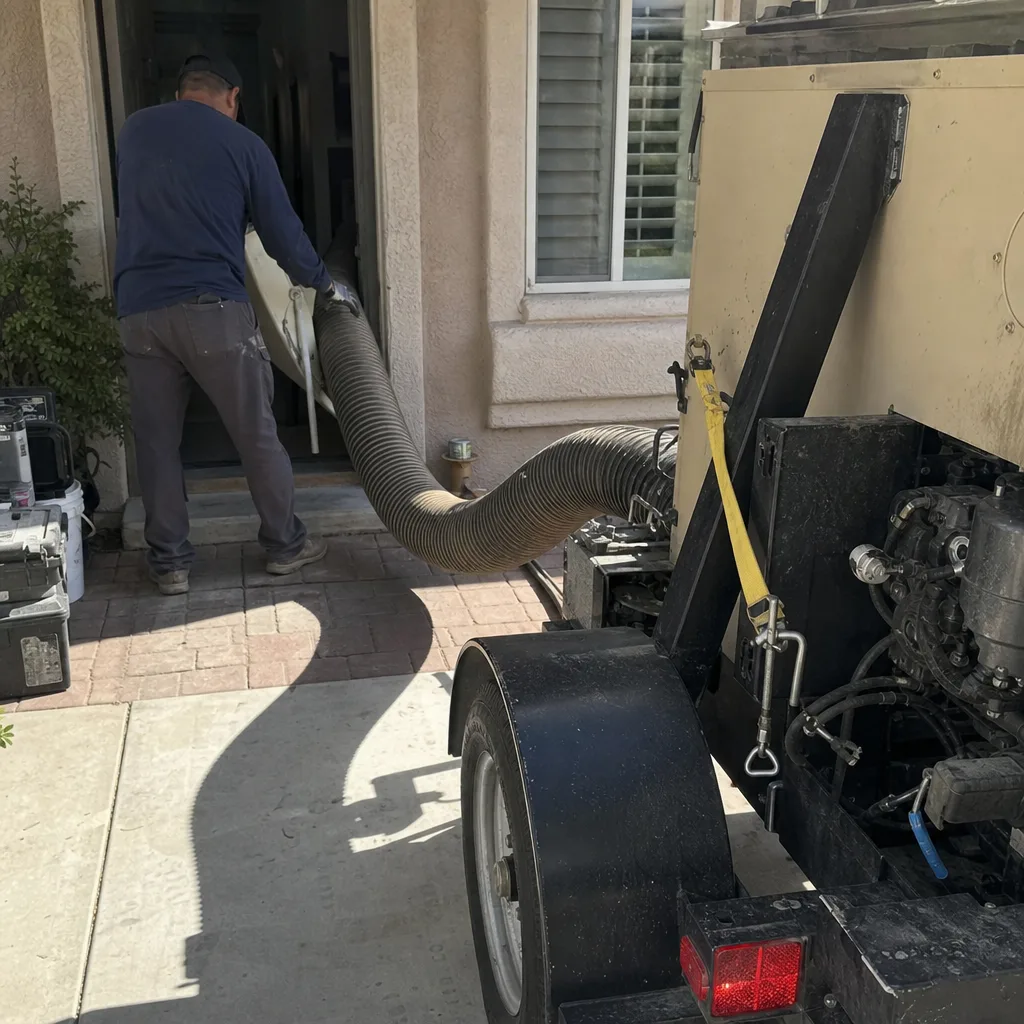
There’s a safe middle ground and a hard stop. You can safely check whether the lamp is seated properly, whether the breaker is flipped, and whether the indicator LED responds to a reset - all with the power off at the breaker, not just the thermostat. What you should not do is remove a UV-C lamp while power is present, look directly at a lit lamp even briefly, or attempt to wire a replacement ballast. UV-C at 253.7 nanometers causes photokeratitis, essentially a sunburn on your cornea, and ballast wiring mistakes can backfeed 277 volts in some Scottsdale homes with commercial-grade panels. We carry the right lamp, the right ballast, and the UV-filtered inspection camera to confirm the new unit is actually producing sanitizing output, not just visible light. Call (928) 267-0992 and we’ll put a written number next to whatever you’ve been quoted.
FAQs
Expect 12-18 months of effective output, or roughly 9,000 rated hours. Scottsdale’s long cooling season means these units run more hours annually than the national average, so we see degradation closer to the 12-month mark in homes that keep the fan set to “on” rather than “auto.” Call (928) 267-0992 and we’ll check your run-time hours against the lamp date code.
No. UV-C lamps are sealed-gas discharge tubes; once the mercury amalgam degrades or the envelope darkens, there is no field repair that restores output to manufacturer spec. We’ve tested “re-lamped” units where the visible glow returned but the UV-C meter read near zero. Replacement is the only option that actually sanitizes.
A straightforward GVS-UV register swap takes 45-60 minutes. A GVS-ID in-duct replacement with ballast testing and UV-C output verification runs 90 minutes to two hours, longer if we need to enlarge access or replace corroded mounting hardware. We photograph every step and deliver the record as part of the standard job documentation.
Yes. We carry GVS-UV and GVS-ID lamps, compatible ballasts, mounting gaskets, and ceramic sockets on every Scottsdale truck. We also stock Lennox, Trane, and Carrier sanitizing components for mixed-system homes. If your unit is an unusual voltage or a discontinued series, we’ll source it within 24 hours and honor the written estimate.
CleanRun Duct Repair & Cleaning is an independent service provider and is not affiliated with Guardsman. We use Guardsman-compatible and OEM-spec parts based on availability and customer preference.
Ready to get your vent sanitizing system documented, priced in writing, and working again? Call (928) 267-0992. A live person answers, we’ll schedule a time that works, and you’ll have a written price before we remove a single panel. Bring a competitor’s estimate and we’ll put our number next to it under our Free Second Opinion policy.
Written by Tomas Reyes, Owner, CleanRun Air Duct Cleaning Scottsdale at CleanRun Air Duct Cleaning Scottsdale, serving Scottsdale and nearby areas.