
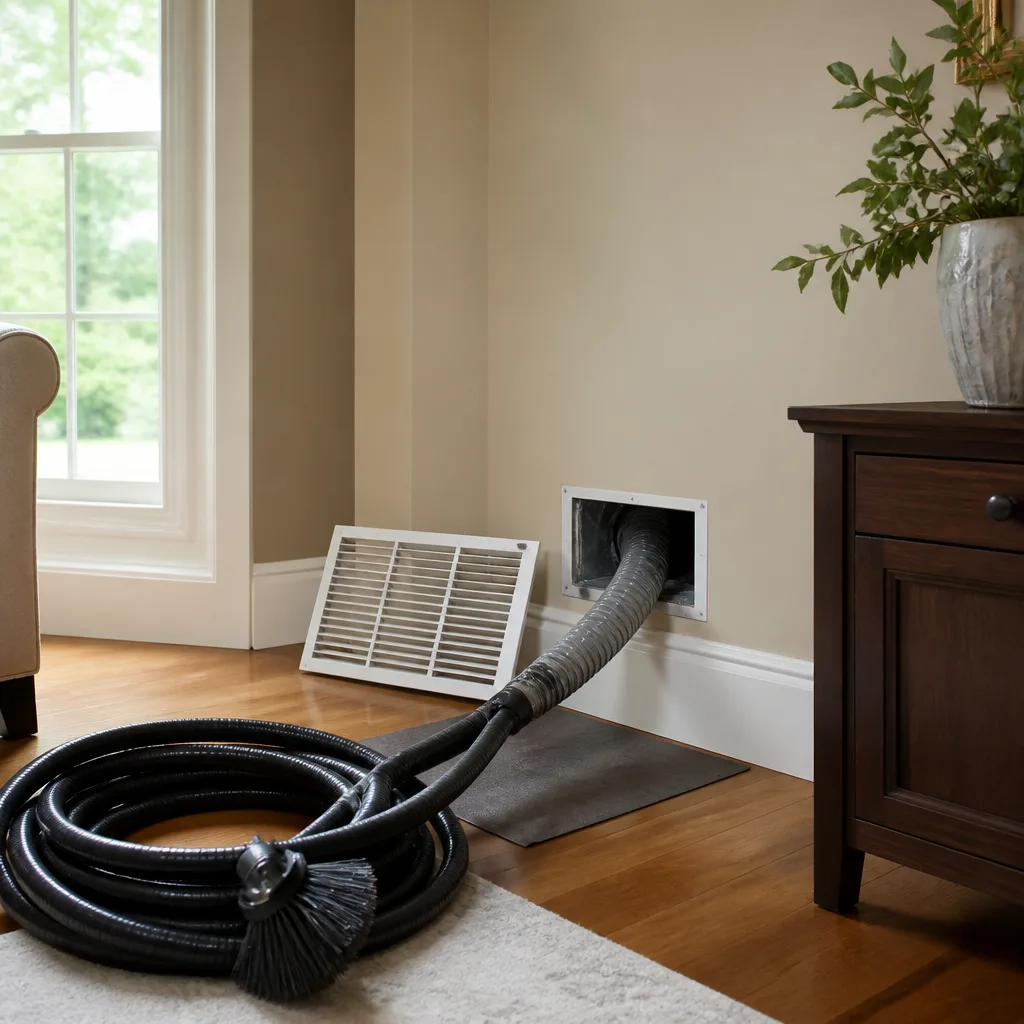
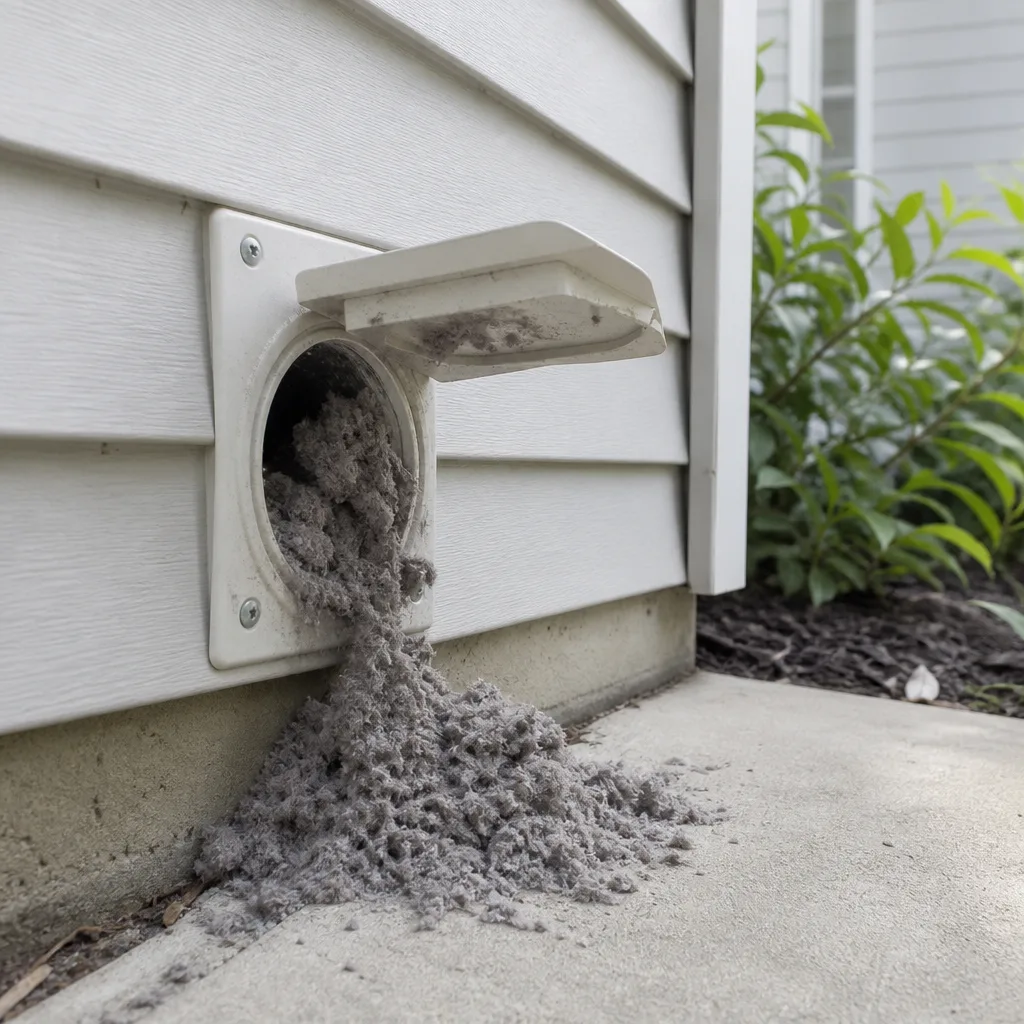
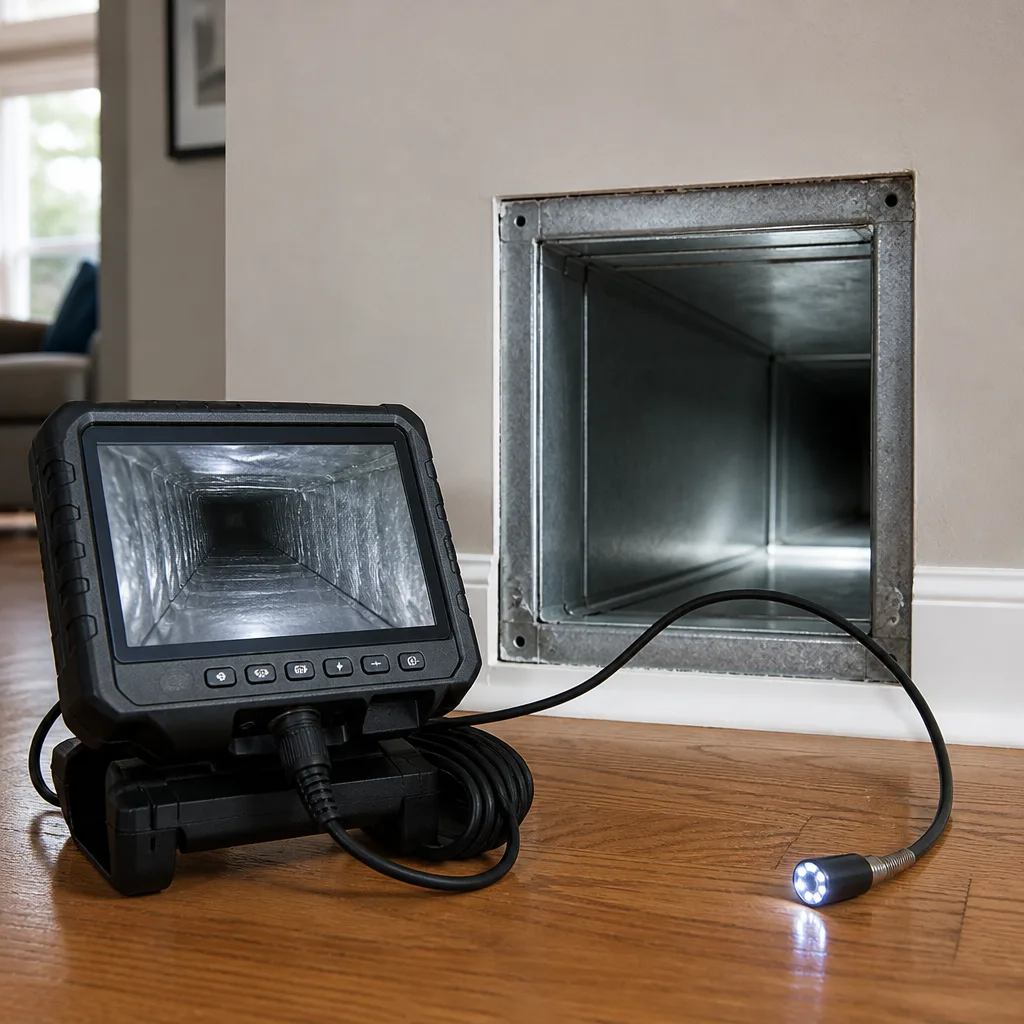
Whole-system duct and dryer vent check with before-and-after photos - you see exactly what came out of your vents
That "$99 whole-house special" is a bait ad - the real number appears once they are in your hallway, or the "clean" is a shop-vac at the register. We photograph the inside of your ducts before and after instead.
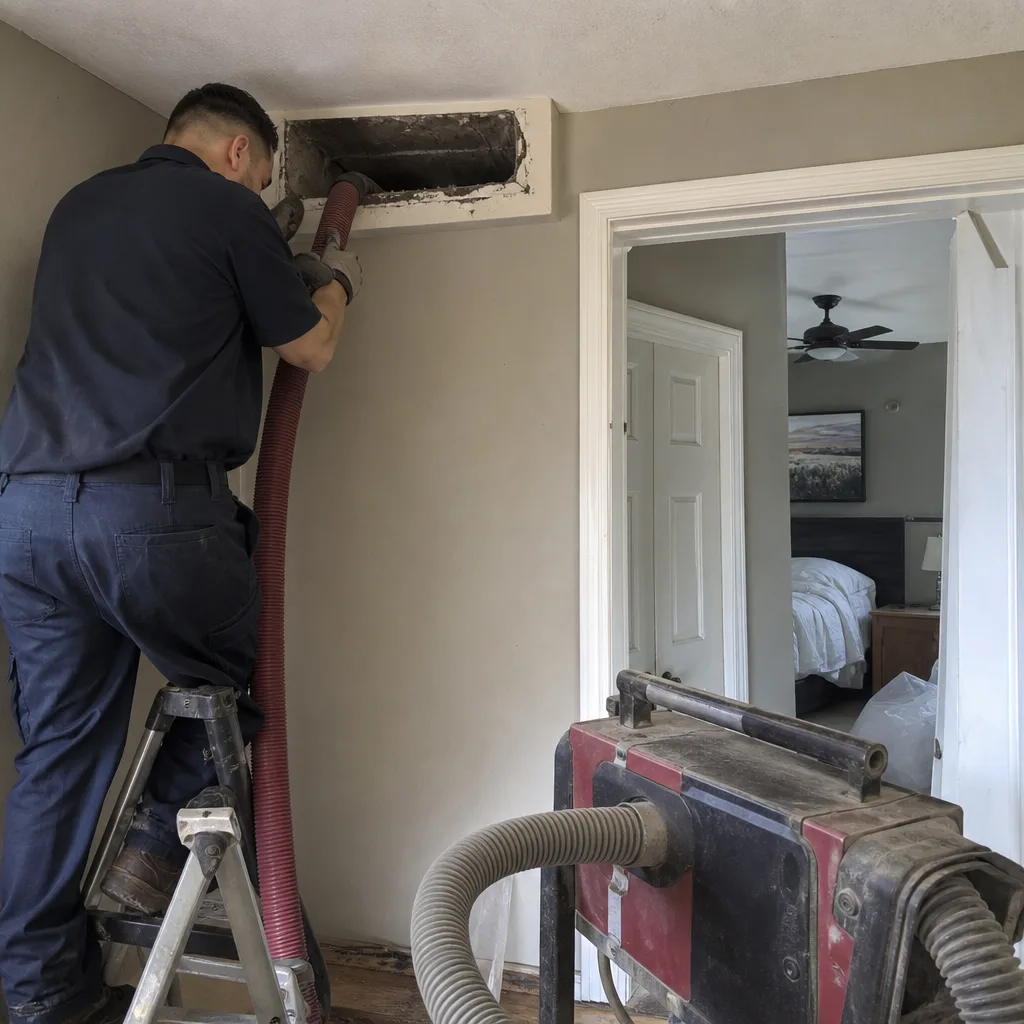 Before
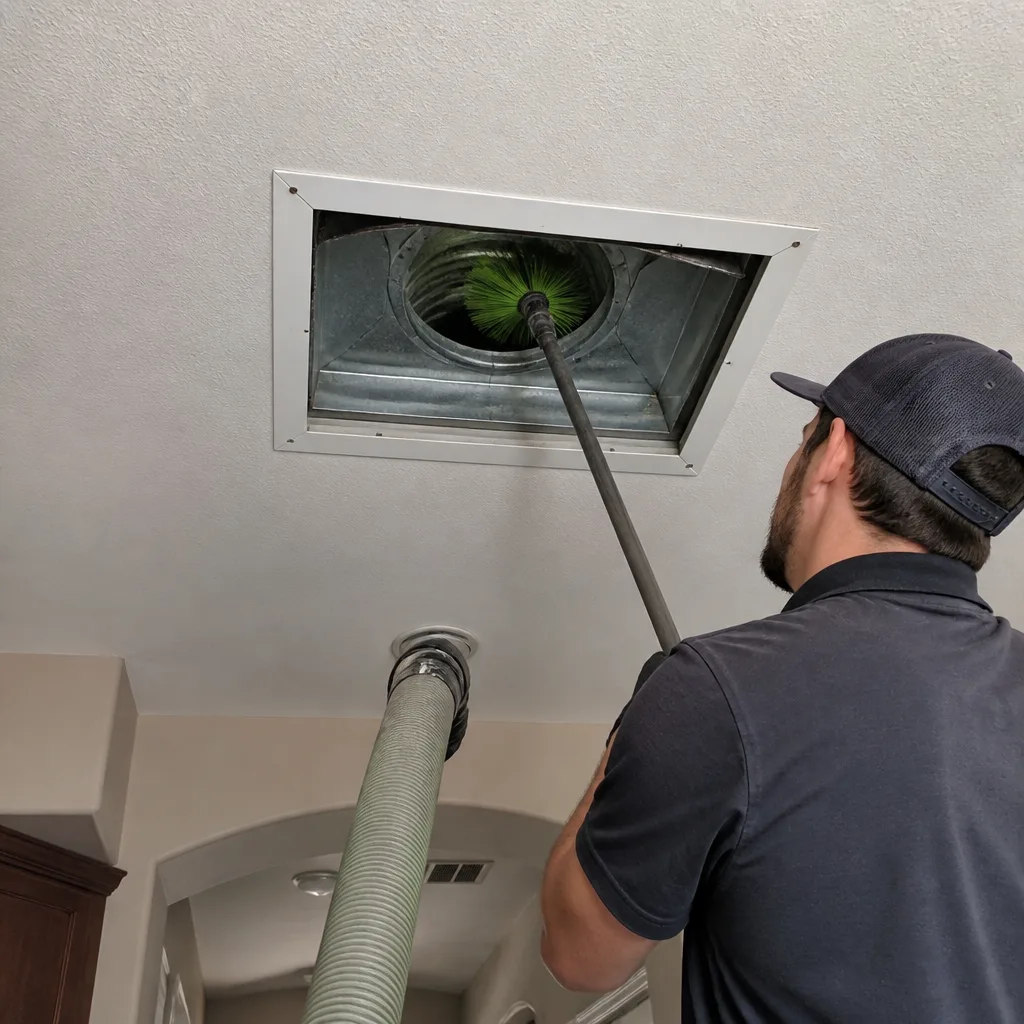 After
After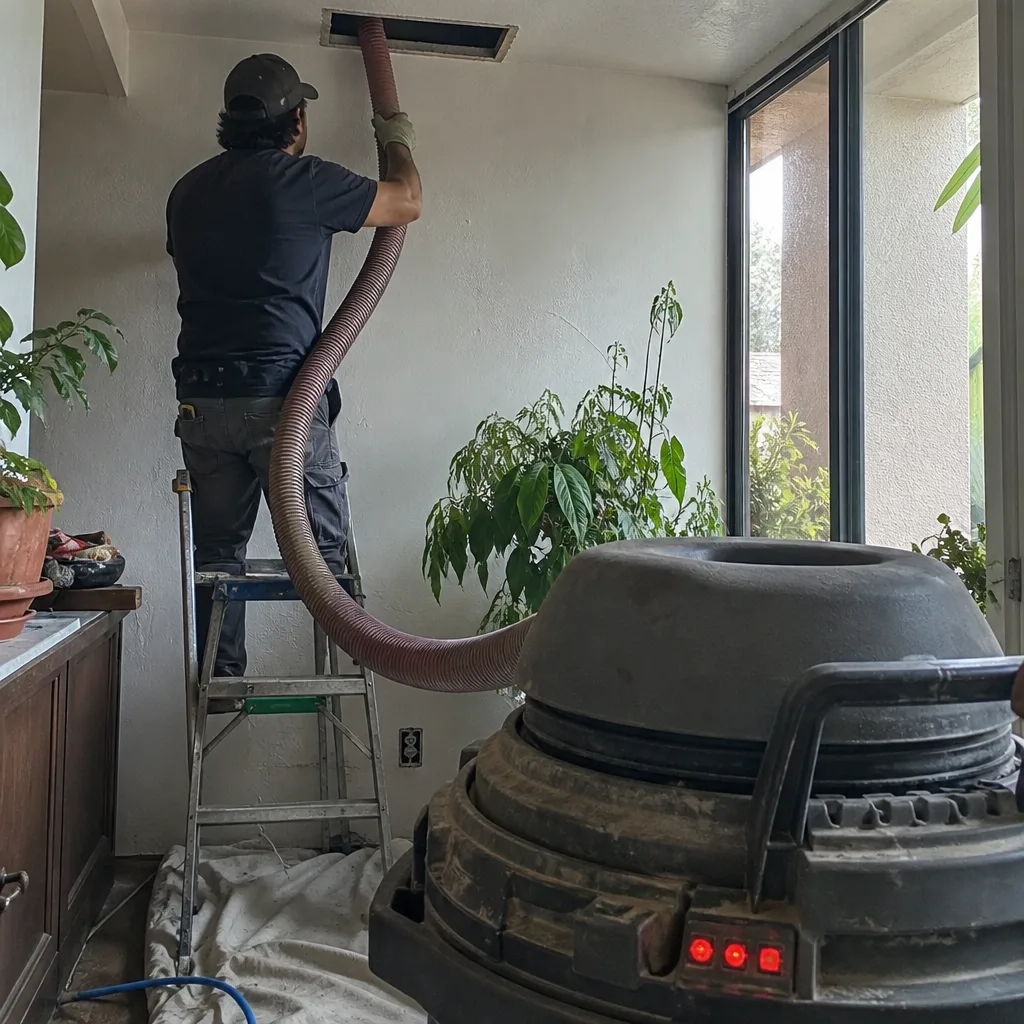 Before
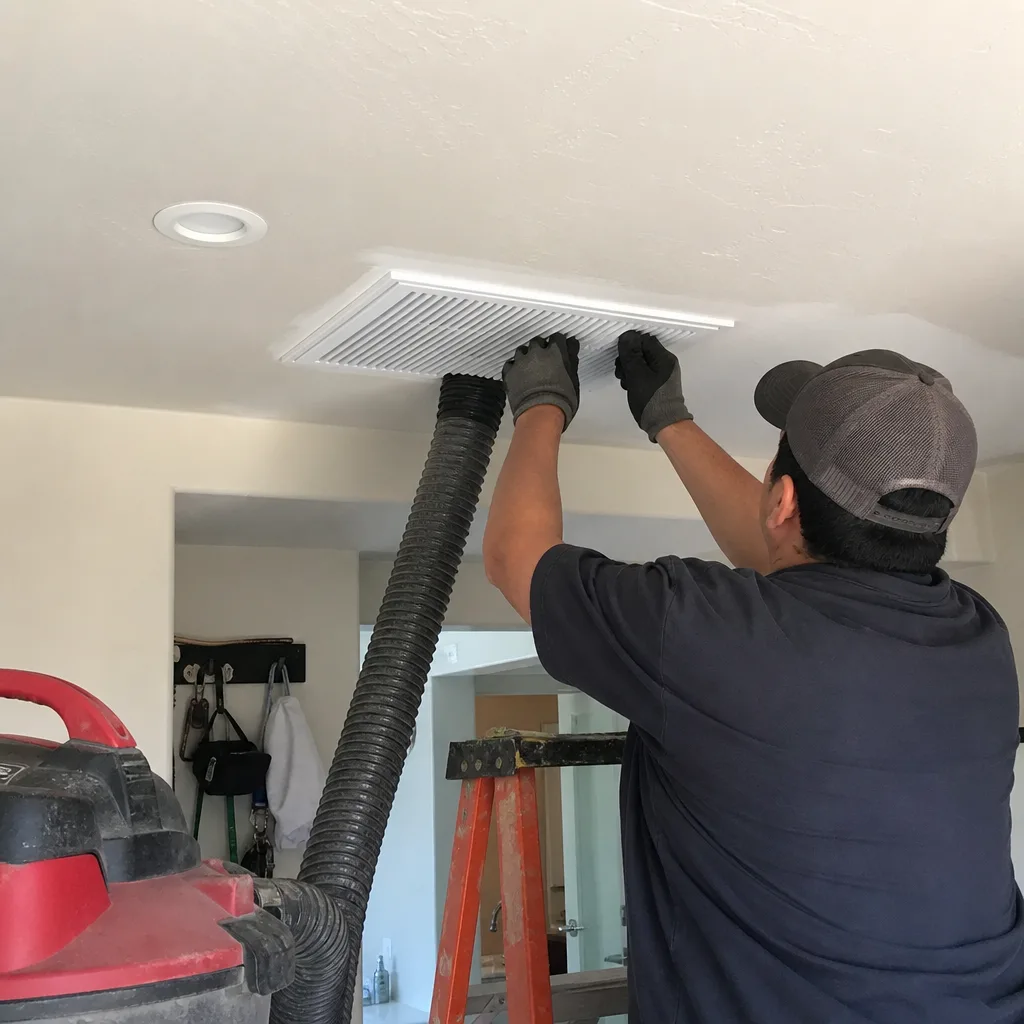 After
After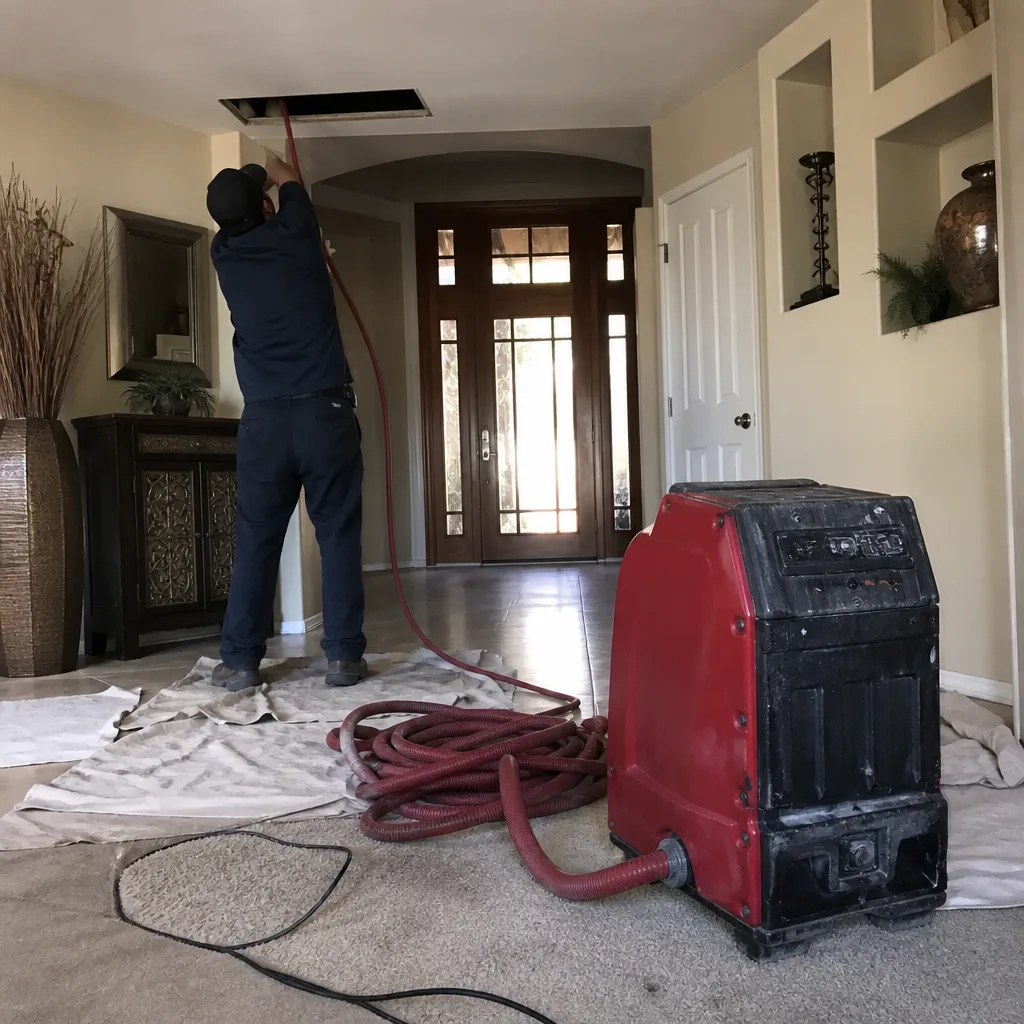 Before
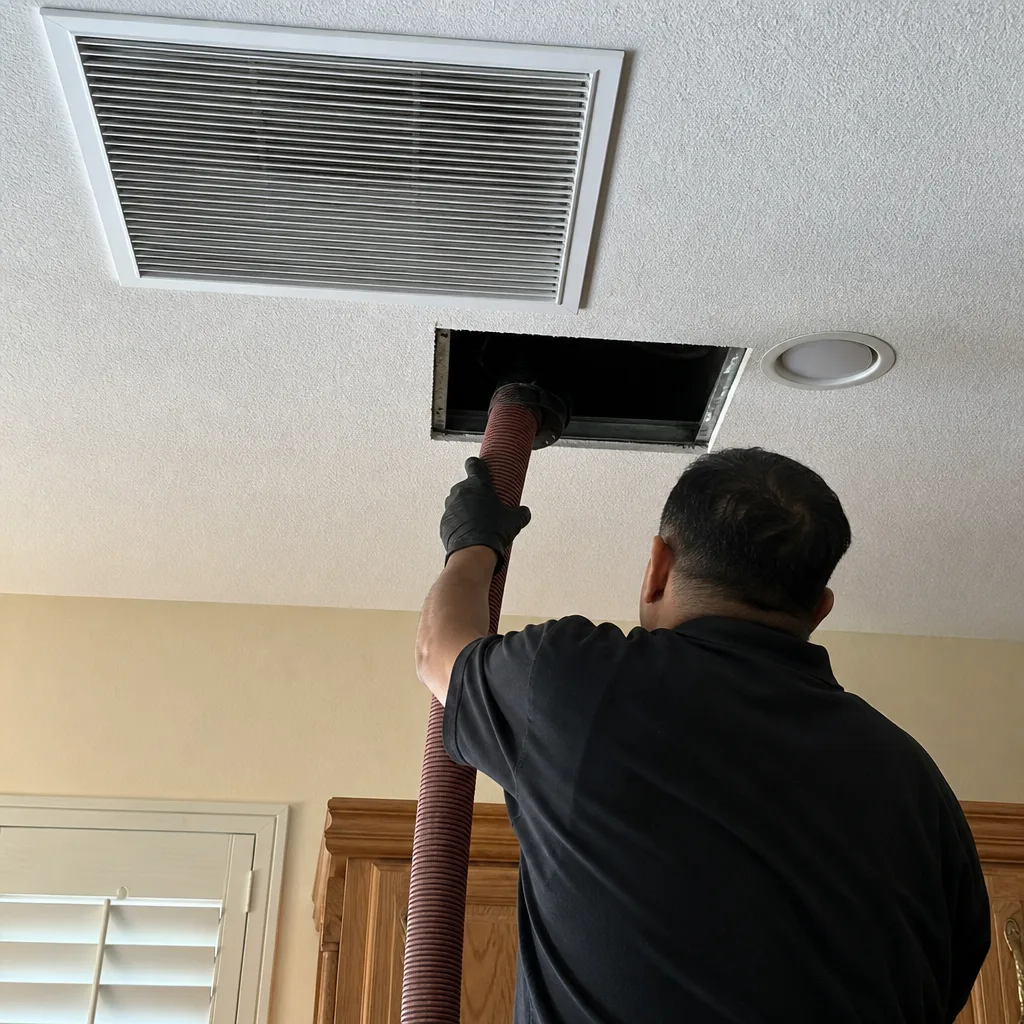 After
AfterHoneywell Duct Sealing & Repair: The Scottsdale Owner’s Guide
CleanRun Air Duct Cleaning Scottsdale stocks and installs Honeywell-compatible duct sealing and repair components for residential HVAC systems, with most completed jobs running $340-$780 depending on linear footage and access difficulty. We carry mastic sealant, foil tape rated to UL 181A-P, and flexible duct repair sleeves on every truck, and we can typically schedule within 48 hours. Scottsdale homeowners usually discover the problem through uneven cooling in north-facing rooms, a sudden spike in summer electric bills, or the telltale whistle from a separated flex duct in the attic after a monsoon wind event.
Which Honeywell Models This Applies To
Honeywell does not manufacture ductwork itself; the brand’s involvement in your duct system typically comes through three entry points: the whole-home media air cleaner (F100, F200, or F300 series) mounted on the return plenum, the zone control board and motorized dampers in zoned systems, and the TrueCLEAN or Electronic Air Cleaner cabinets that integrate directly into the sheet metal trunk line. When we say “Honeywell duct sealing,” we’re addressing the integrity of the ductwork that connects to these components, not a Honeywell-branded duct product.
To identify what you’re working with, check the label on the air cleaner cabinet (usually on the door or side panel) for the series number. F100-series units use 16×25 or 20×25 media filters and require a sealed return plenum transition to prevent bypass air. F300 electronic air cleaners need a grounded cabinet with intact gaskets; a failed gasket gets misdiagnosed as “the Honeywell isn’t working” when it’s actually drawing unfiltered air around the unit. Zone damper systems, common in Scottsdale’s larger McCormick Ranch and DC Ranch homes, use 24-volt Honeywell dampers with rubber blade seals that harden and crack after 8-12 years of 170°F attic summers.
OEM Honeywell gaskets and damper seals are available through their contractor distribution network. We also source equivalent-grade aftermarket materials from Duro Dyne and Hardcast, both UL-listed for HVAC applications. The aftermarket foil tape we carry meets the same UL 181A-P standard as Honeywell-specified products at roughly half the per-roll cost, which matters on jobs requiring 50+ linear feet of sealing.
Signs Your Honeywell Duct Sealing & Repair Is Failing
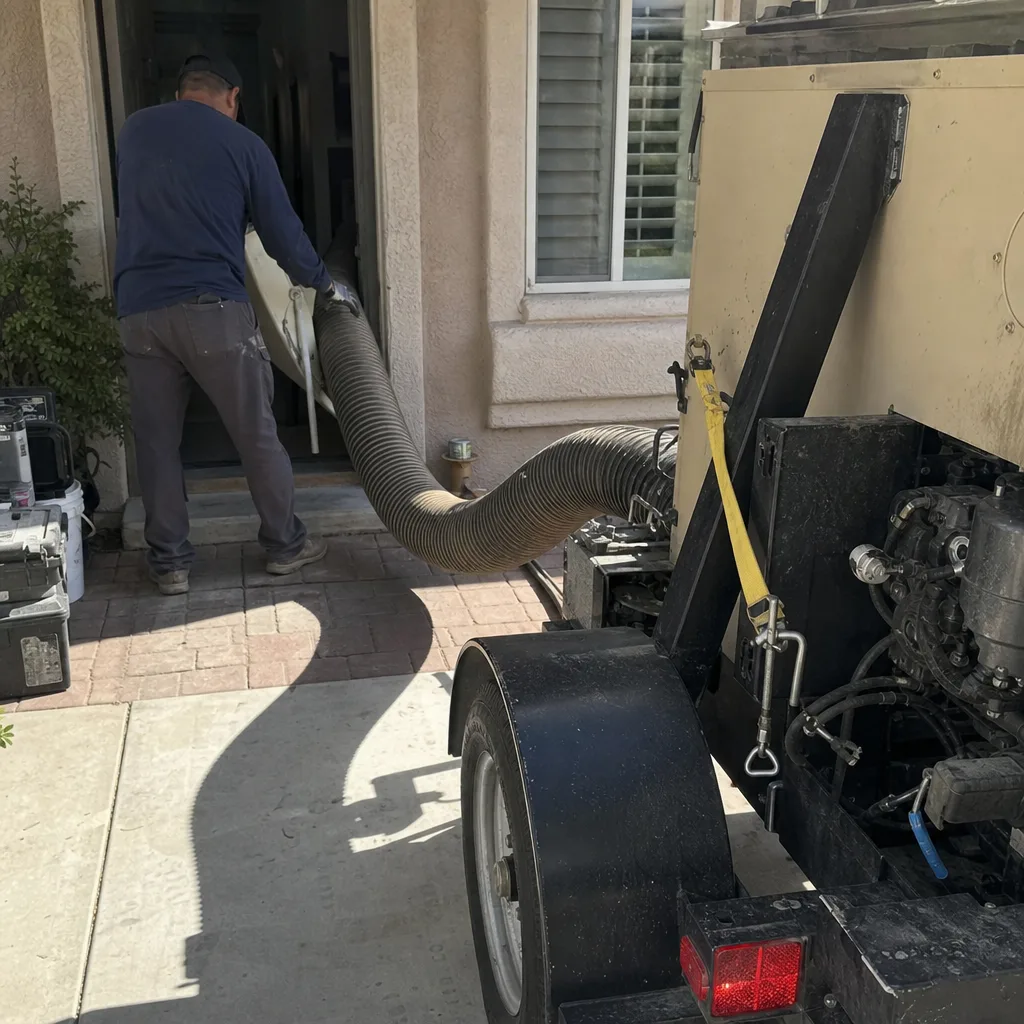
- Uneven temperatures room to room. When the bedroom over the garage hits 82°F while the living room holds 76°F, the camera usually shows a separated flex duct or blown mastic joint at the trunk takeoff. In Scottsdale’s 160°F attics, mastic dries and cracks in 7-10 years.
- Whistling or rushing air at registers. This points to high static pressure from a restriction upstream, often a collapsed inner liner in flex duct or a damper stuck partially closed. The noise is air accelerating through a gap smaller than the design opening.
- Dust accumulation around the Honeywell air cleaner cabinet. If you see a dark stripe on the return plenum or filter bypass door, the gasket has failed and unfiltered air is being pulled around the media. The F200’s 4-inch filter only works if all return air passes through it.
- Summer electric bills jumping 20-30% year over year with no rate change. Leaky supply ducts dump cooled air into the attic; the system runs longer to satisfy the thermostat. We see this most in 1990s Scottsdale builds with original flex duct that has never been sealed.
- Musty odor when the AC first cycles on. A disconnected return duct in a hot attic draws in attic air, including whatever’s on the plywood: rodent debris, insulation fragments, or dust from the 2018 Haboob that blew through McDowell Mountain Ranch. The Honeywell filter never sees this air, so the smell makes it straight to the vents.
BeforeAfterReplacement Cost & What’s Included
CleanRun Air Duct Cleaning Scottsdale prices duct sealing and repair by the linear foot of duct affected, not by the number of vents. This matters because per-vent pricing hides the actual scope. A typical Scottsdale single-story with 1,800 square feet and accessible attic space runs $340-$520 for spot repair of 2-3 failed joints or a 15-foot flex duct replacement. Full-system sealing with mastic and mechanical fasteners on a 2,500-square-foot home with zone dampers runs $620-$780.
| Scope | Price Range | What’s Included |
|---|---|---|
| Spot seal: 2-3 joints, register boots | $340-$450 | Mastic, foil tape, photo record, written scope |
| Flex duct replacement (1 run, up to 25 ft) | $380-$520 | Duct, connectors, support strap, photo record |
| Zone damper seal replacement (Honeywell) | $280-$420 per damper | OEM or equivalent gasket, calibration, photo record |
| Full system seal (avg. 2,500 sq ft home) | $620-$780 | All accessible joints, plenum seams, photo record, 365-Day Done Right Promise |
Every job starts with a written price under Haven Standard Clause 1, delivered before any panel comes off. The price includes the Documented Photo Record: before and after images of every sealed joint or replaced duct section, delivered as part of the standard job record. The 365-Day Done Right Promise covers labor and materials; if a sealed joint opens or a replaced damper gasket fails, we return and make it right at no charge. We also offer a Free Second Opinion on any competitor’s written estimate - bring it in, we’ll put our number next to it.
DIY or Call Us?
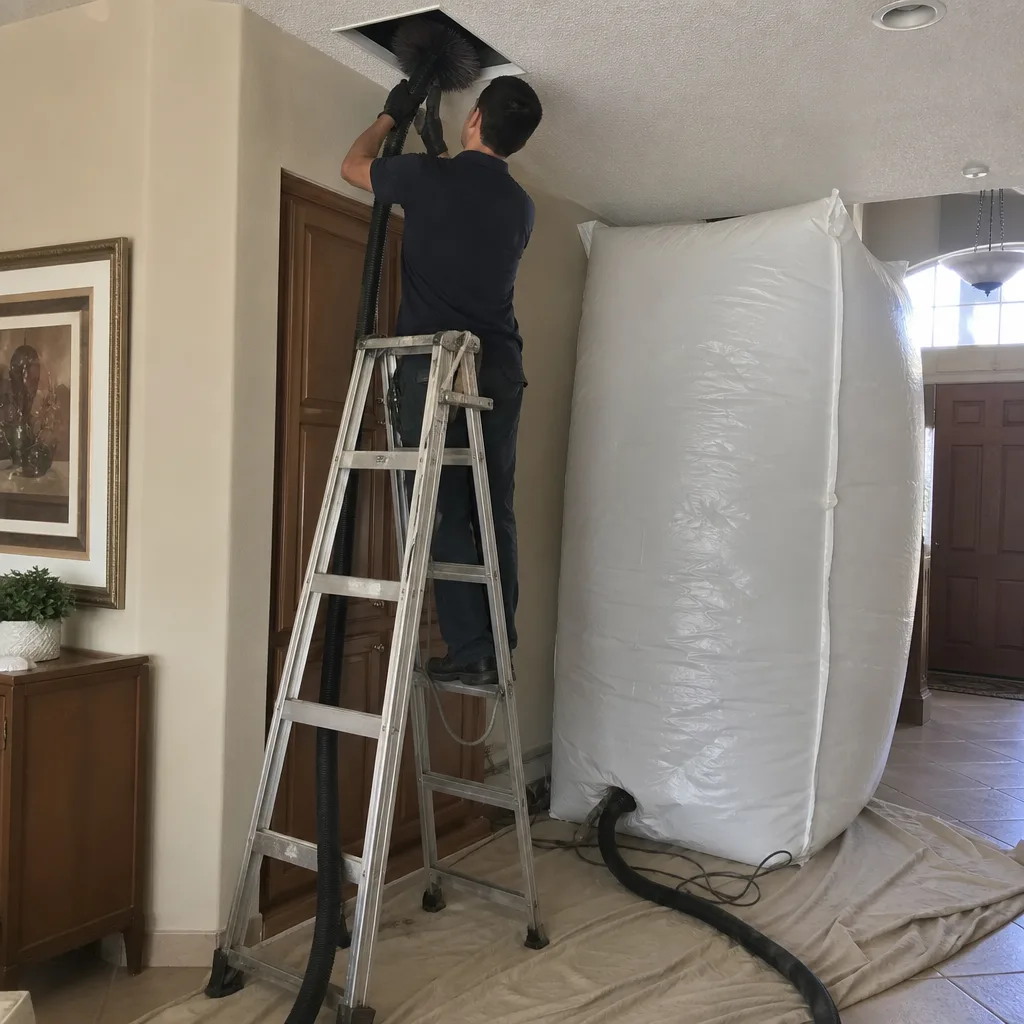
There’s a short list of things a homeowner can safely check. Verify the Honeywell air cleaner door is latched fully; a gap of even 1/4 inch creates measurable bypass. Listen at each register with the system running - a whistle means something’s wrong upstream. Check your attic access hatch for daylight around the perimeter; if you can see the sky, your attic is breathing outside air, which pressurizes the space and can blow loose mastic off duct joints.
What goes wrong with DIY: mastic applied over dust or oil-contaminated metal peels off in six months. Flex duct inner liners tear when pulled through tight attic framing. Zone dampers require powered-on calibration; a damper installed in the wrong default position will either freeze a room or bypass the zone entirely. And Scottsdale’s attic temperatures in July and August - routinely 140-160°F - make work duration a safety factor. We’re background-checked, uniformed, and operating under Haven Standard Clause 3: Verified Crews. Tomas Reyes and our technicians carry the photo record equipment on every truck. The camera doesn’t negotiate - it just shows what’s in there.
For a written price before any work starts, call (928) 267-0992. Estimates are free, and we answer live 24/7.
FAQs
Properly applied mastic on clean metal lasts 15-20 years in dry climates; in Scottsdale’s extreme attic heat, we see 10-15 years as realistic before rechecking. Flex duct inner liners degrade faster, typically 12-15 years, with UV-exposed attic installations on the shorter end. Call (928) 267-0992 and we’ll inspect what you have.
Separated joints, small punctures, and failed gasket surfaces can be repaired. Crushed, kinked, or liner-separated flex duct should be replaced; patching the outer vapor barrier leaves the inner liner compromised. We photograph the damage and show you before recommending either path.
Spot repair of 2-3 joints takes 2-3 hours. Full-system sealing on a larger home runs 4-6 hours. We schedule morning arrivals and complete the same day. Every job concludes with the photo record review and written scope delivery.
Yes. We carry UL 181A-P foil tape, Hardcast mastic, Duro Dyne gasket material, and flex duct in 6-inch through 14-inch diameters. For Honeywell zone dampers, we stock common 24-volt replacement gaskets and can source specific damper models within 24 hours if needed. Call (928) 267-0992 to confirm compatibility with your system.
Written by Tomas Reyes, Owner, CleanRun Air Duct Cleaning Scottsdale at CleanRun Air Duct Cleaning Scottsdale, serving Scottsdale and nearby areas.