
Whole-system duct and dryer vent check with before-and-after photos - you see exactly what came out of your vents
That "$99 whole-house special" is a bait ad - the real number appears once they are in your hallway, or the "clean" is a shop-vac at the register. We photograph the inside of your ducts before and after instead.
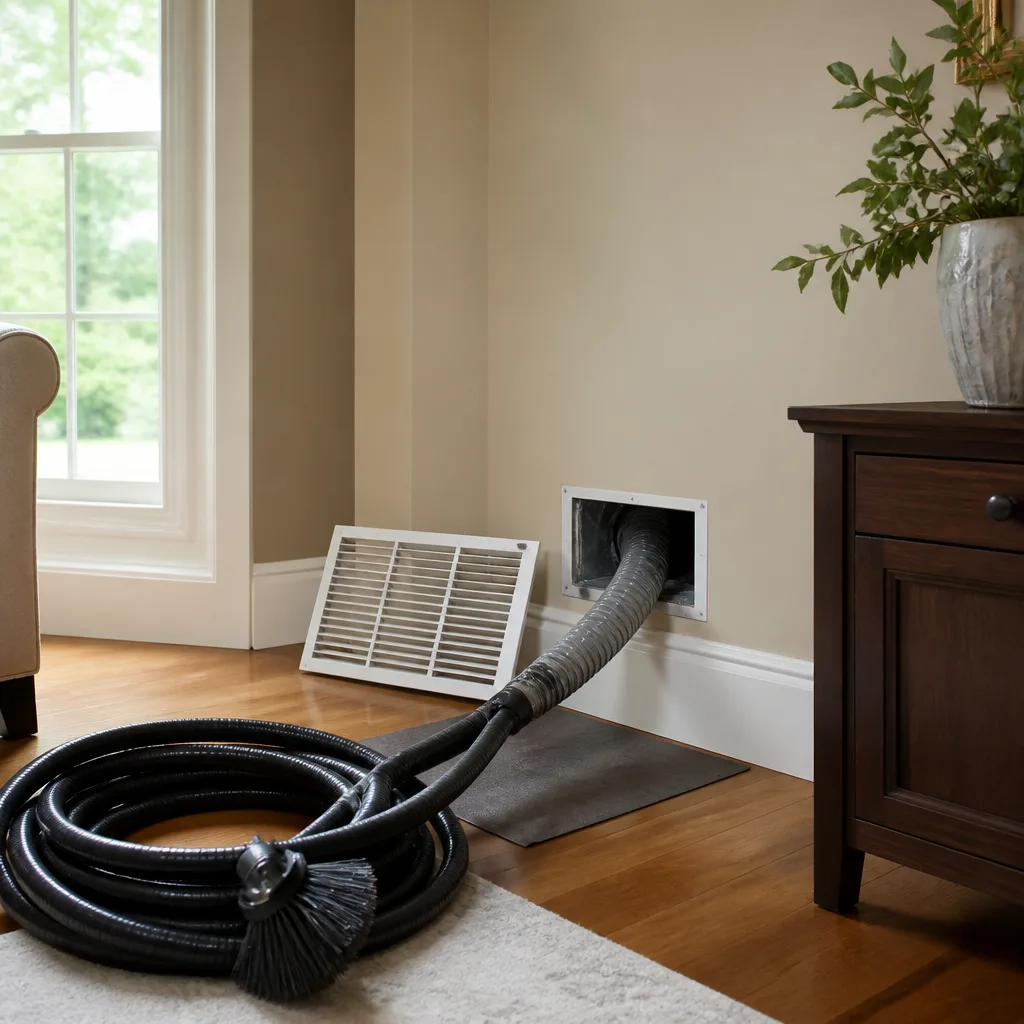
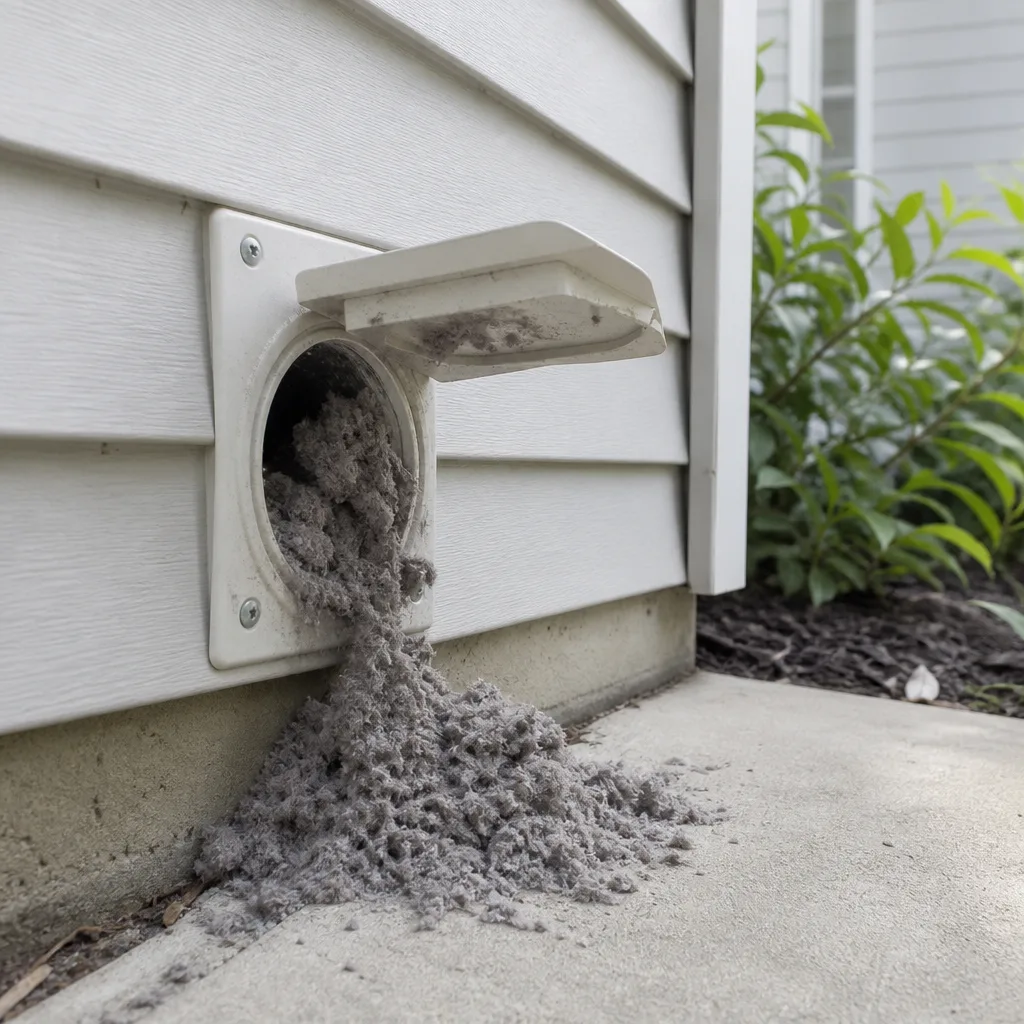
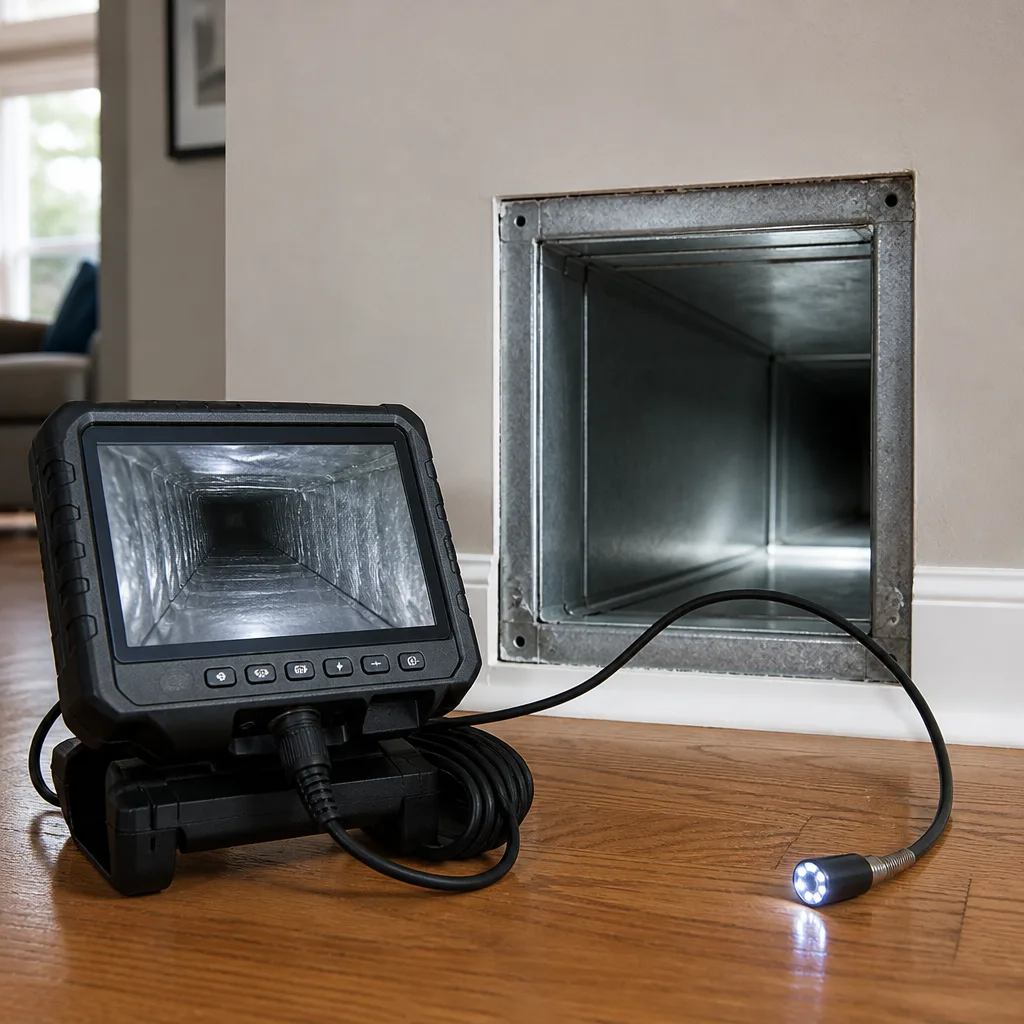
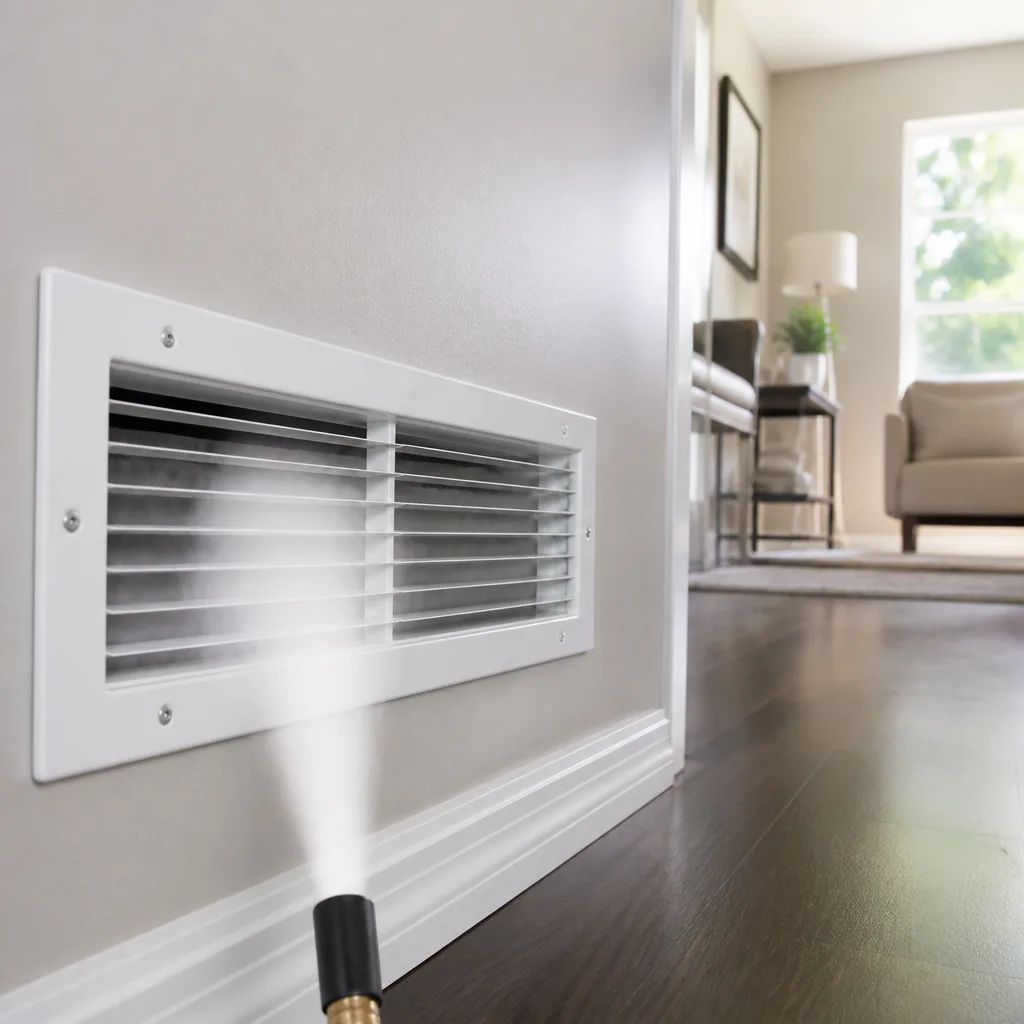
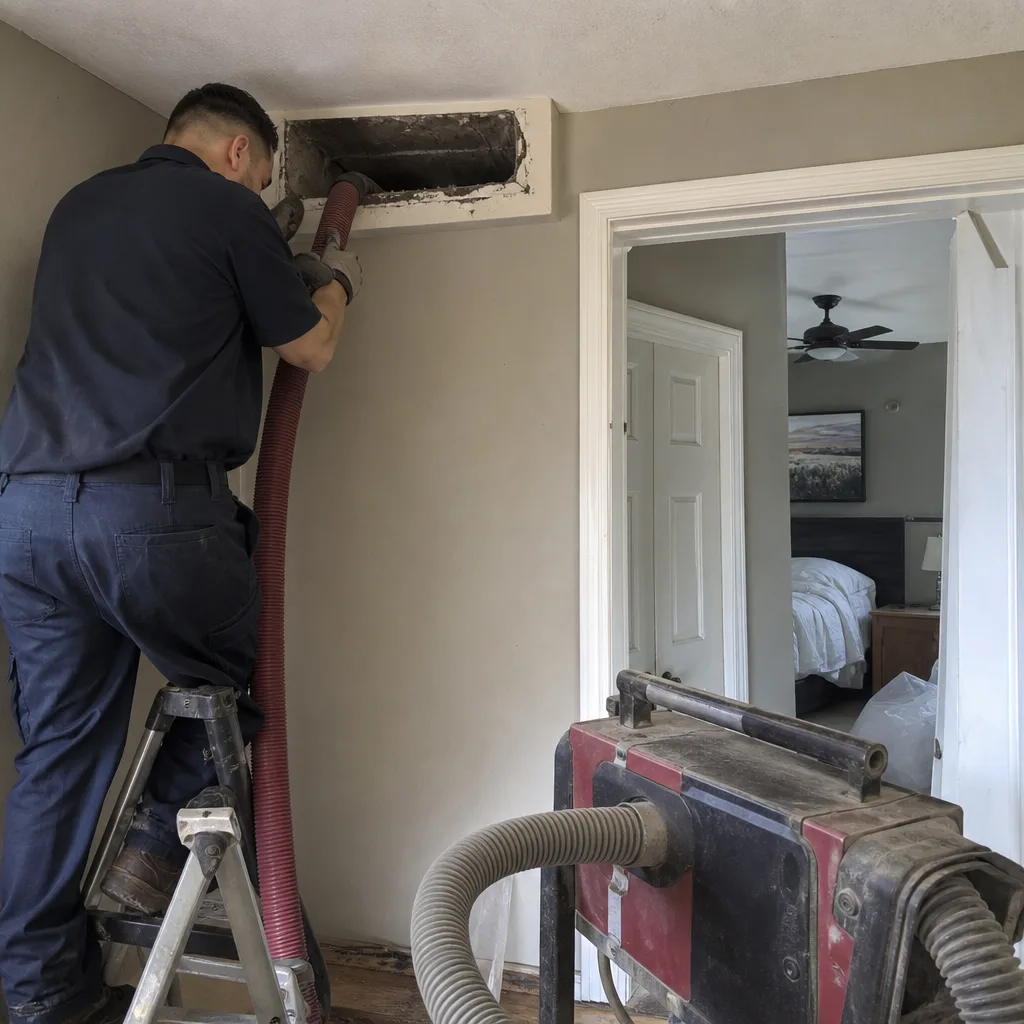 Before
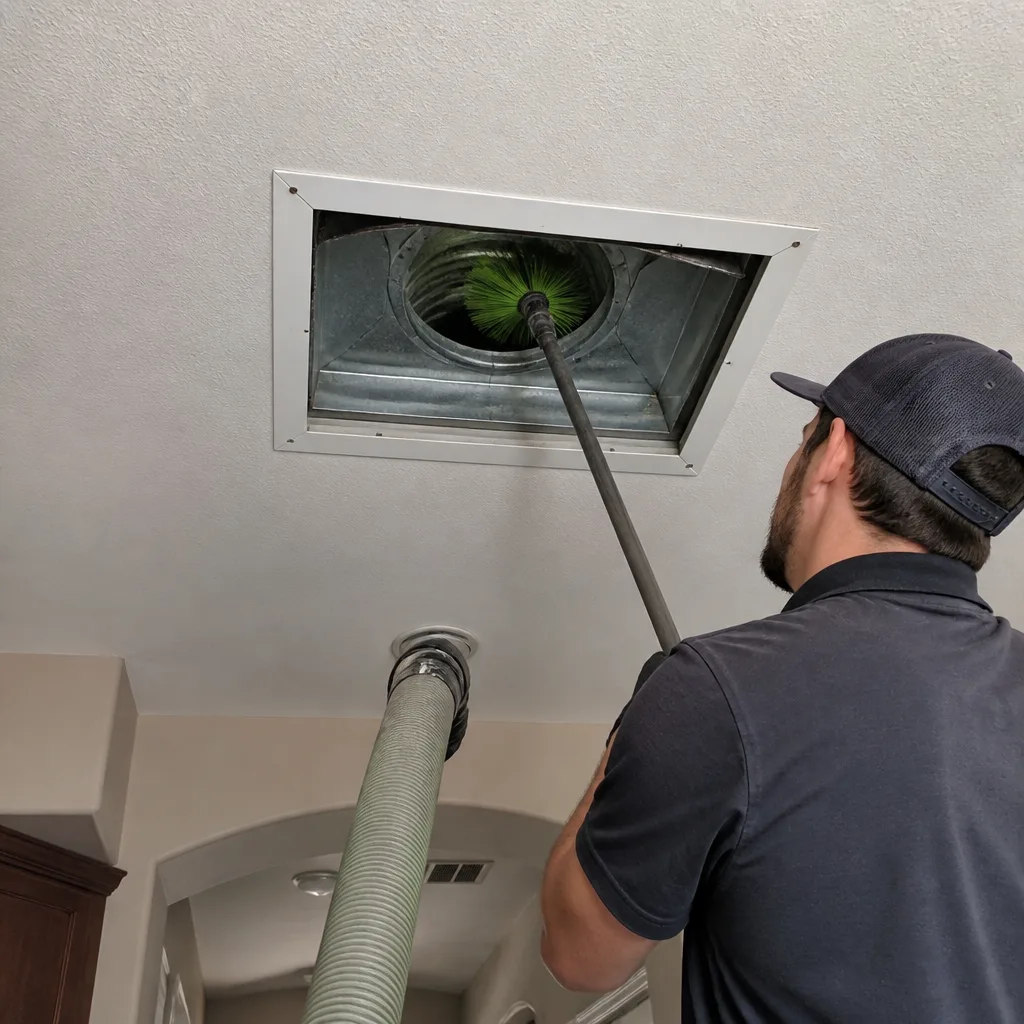 After
After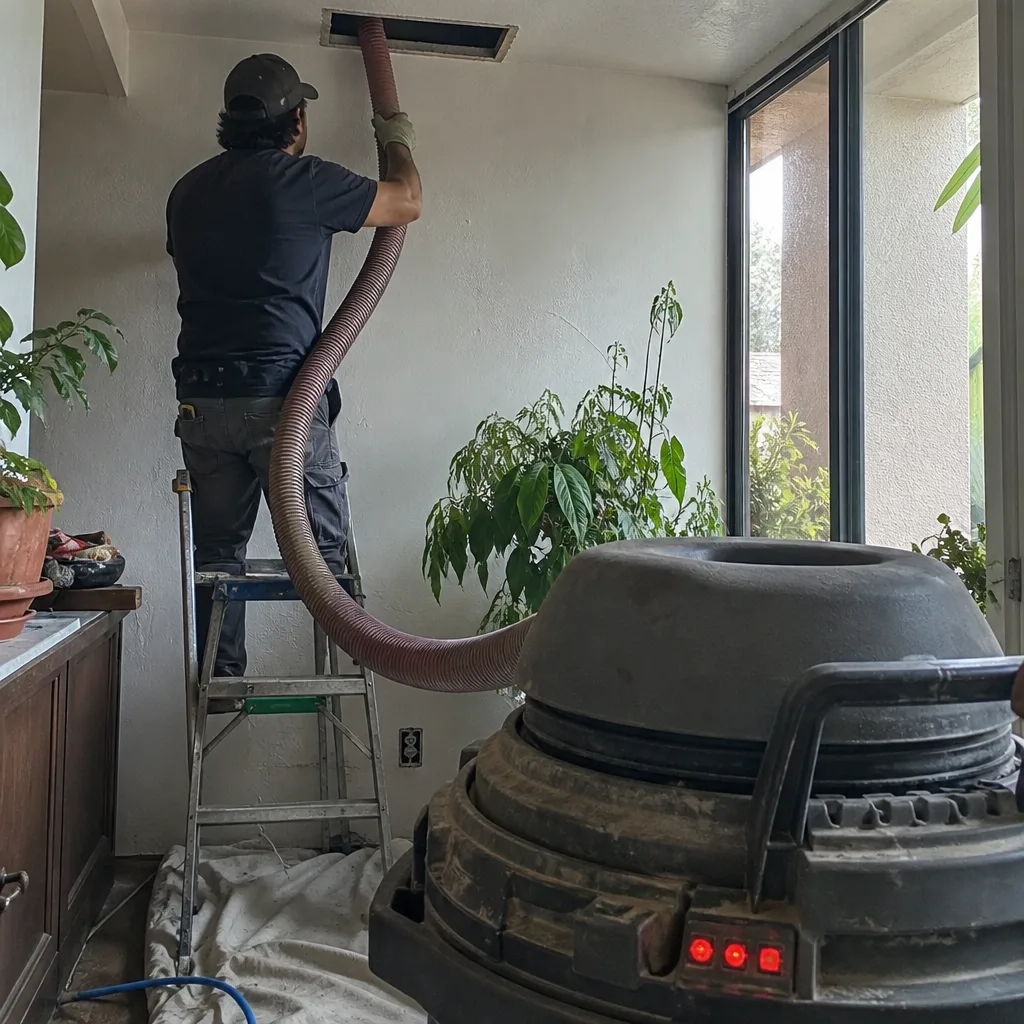 Before
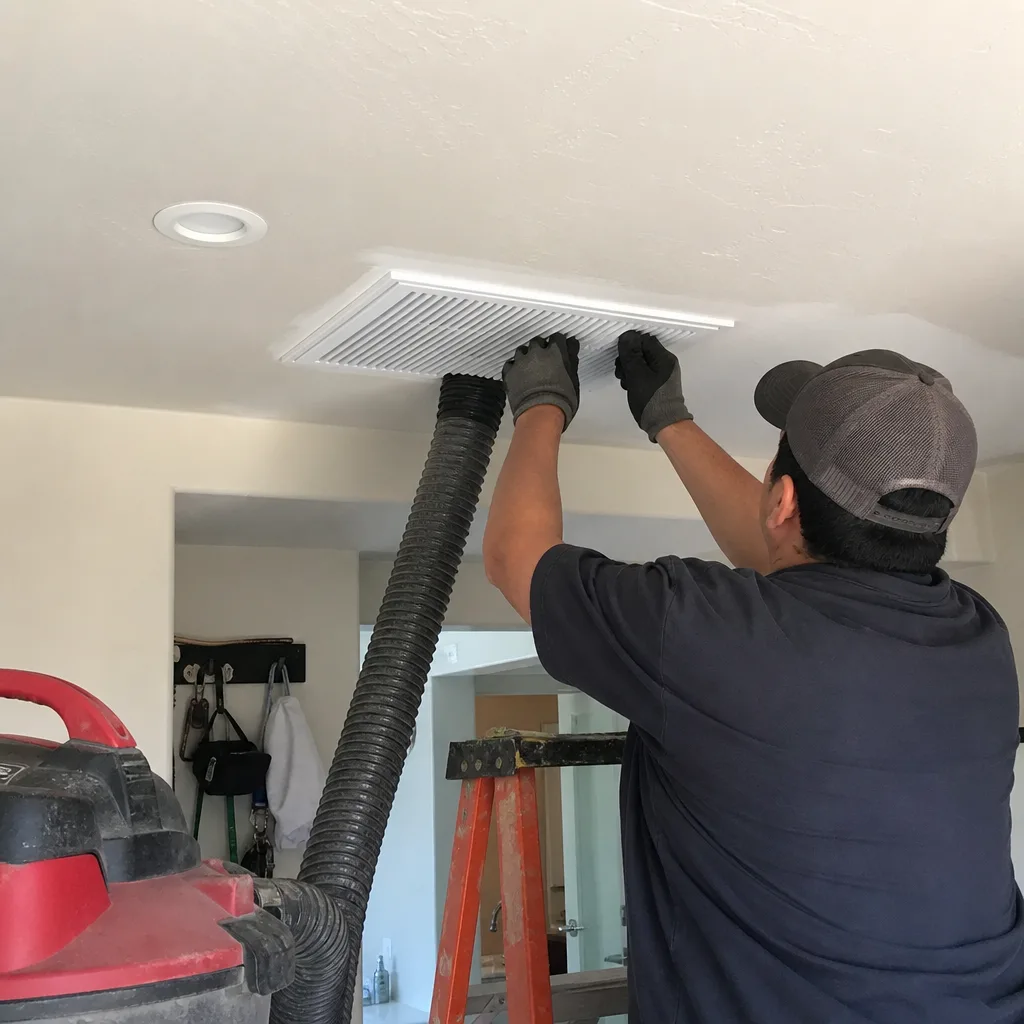 After
After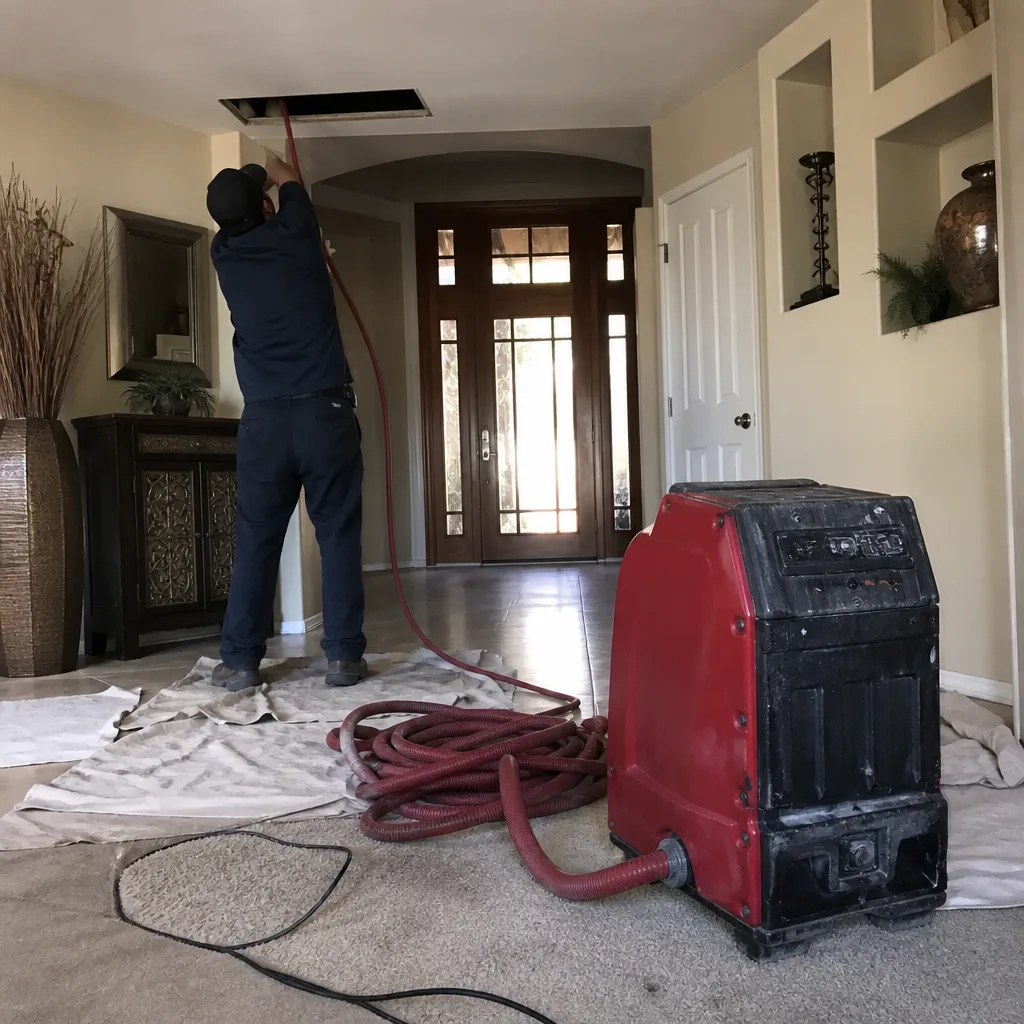 Before
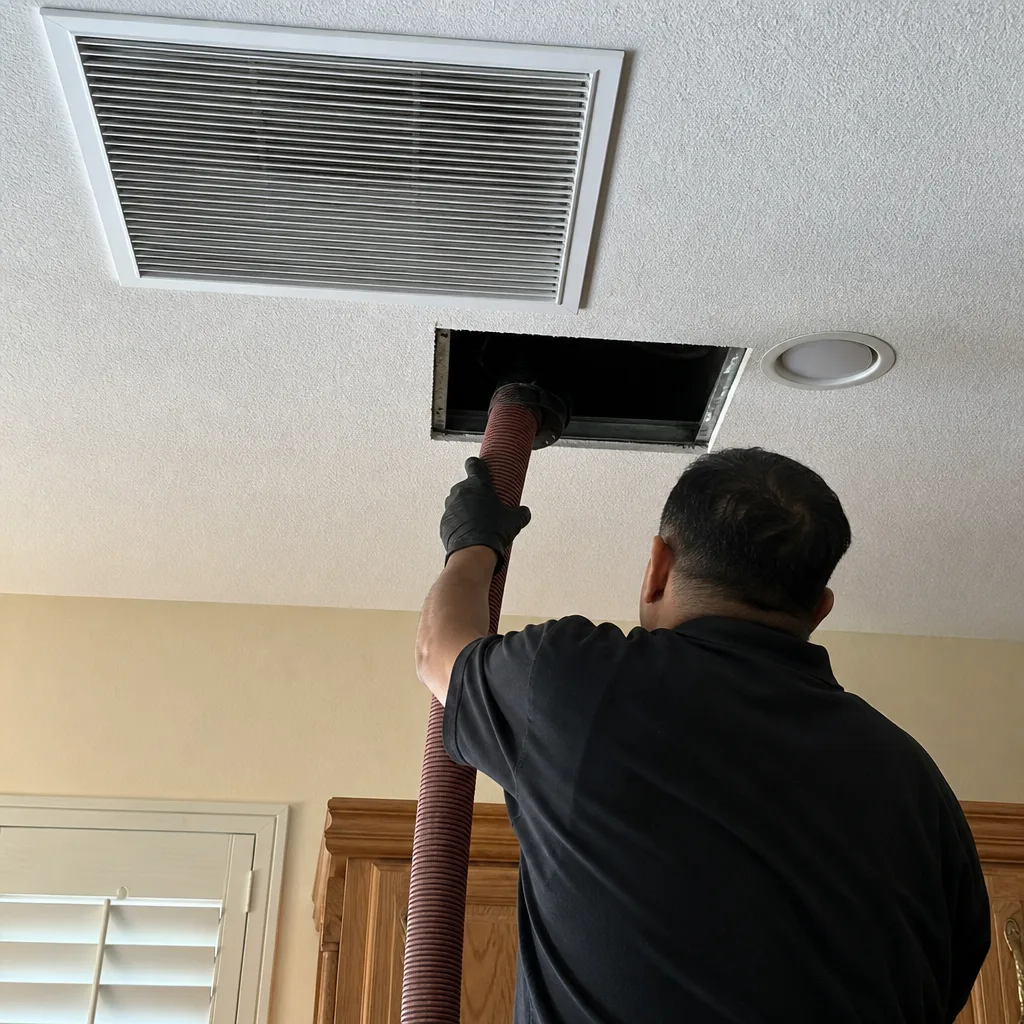 After
AfterDryer Vent Inspection in Scottsdale, AZ
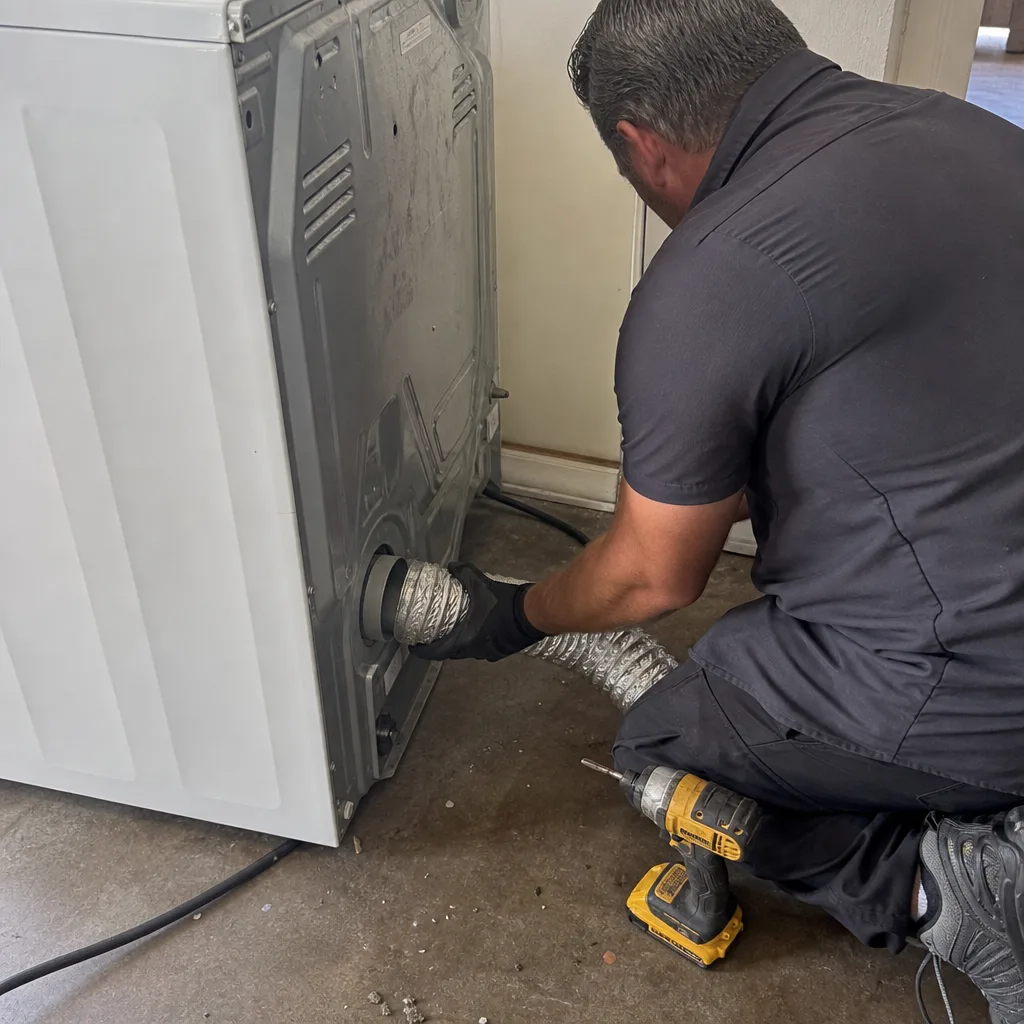
A dryer vent inspection is a camera-based assessment of the entire duct run from your dryer’s exhaust port to the exterior termination cap – it identifies lint accumulation, crushed or disconnected sections, improper materials, and airflow restrictions before they become a fire or carbon monoxide problem. In Scottsdale, most homes we inspect have at least one issue that wasn’t visible from the laundry room. The inspection takes 30 to 60 minutes, ends with a written summary and a documented photo record, and comes with a written price before we begin – no exceptions, under Haven Standard Clause 1.
If you’ve landed here trying to figure out whether your dryer vent actually needs attention, or whether a competitor’s inspection finding is accurate, you’re in the right place. Tomas Reyes and the CleanRun crew have been running camera inspections in Scottsdale since 2013, across more than 52,000 homes served across our service area. Call us at (928) 267-0992 to get a written quote before anything is scheduled.
This page covers inspections specifically. If you’re looking at the full cleaning service, visit our Dryer Vent Cleaning in Scottsdale page for scope and pricing on that work.
When You Need a Dryer Vent Inspection
Several conditions make an inspection worth scheduling now rather than later. None of these are theoretical – they’re patterns our technicians document repeatedly across Scottsdale’s neighborhoods, from McCormick Ranch to the newer builds in DC Ranch and Grayhawk.
- Drying times have crept up past 45-50 minutes per load. A properly clear vent exhausts hot, humid air fast. When that cycle stretches, it usually means airflow is restricted somewhere along the duct run – lint build-up at an elbow is the most common finding, but a crushed flex section behind the dryer is almost as frequent in older Scottsdale homes where appliances were pushed tight against the wall.
- The dryer cabinet or laundry room feels noticeably hot while running. If heat is staying inside instead of exhausting to the exterior, the duct is working against itself. In Scottsdale summers, where ambient temperatures already push well above 100°F, this thermal backup accelerates wear on the dryer’s heating element and raises the temperature of the surrounding cabinet – a documented fire risk, not a vague concern.
- You’re finding lint on surfaces near the dryer or inside the drum. Lint showing up where it shouldn’t is a sign that exhaust pressure is reversing. The camera typically shows a partial or full blockage forcing air back through the system.
- The exterior vent flap doesn’t open when the dryer is running. The termination cap – the flap assembly on your exterior wall or roof – should open freely when the dryer is in use. A cap that stays closed or barely moves means backpressure has built to the point that airflow can’t overcome gravity. This is inspectable and fixable, but only after you know where the restriction sits.
- Your home was built between 1985 and 2005 and the vent has never been inspected. Scottsdale saw substantial residential construction during this period, and a meaningful portion of those homes used plastic or foil accordion flex duct – materials that are no longer considered acceptable under current building standards and that compress, sag, and trap lint far more readily than rigid metal ductwork. If you don’t know what’s behind your dryer, the inspection tells you.
- A competitor or home inspector flagged an issue in writing and you want an independent second look. CleanRun offers a free second opinion on any written estimate. Bring the written finding, and Tomas’s team puts its own camera in the duct and delivers its own written assessment, at no charge, before any work is quoted.
Our Dryer Vent Inspection Process
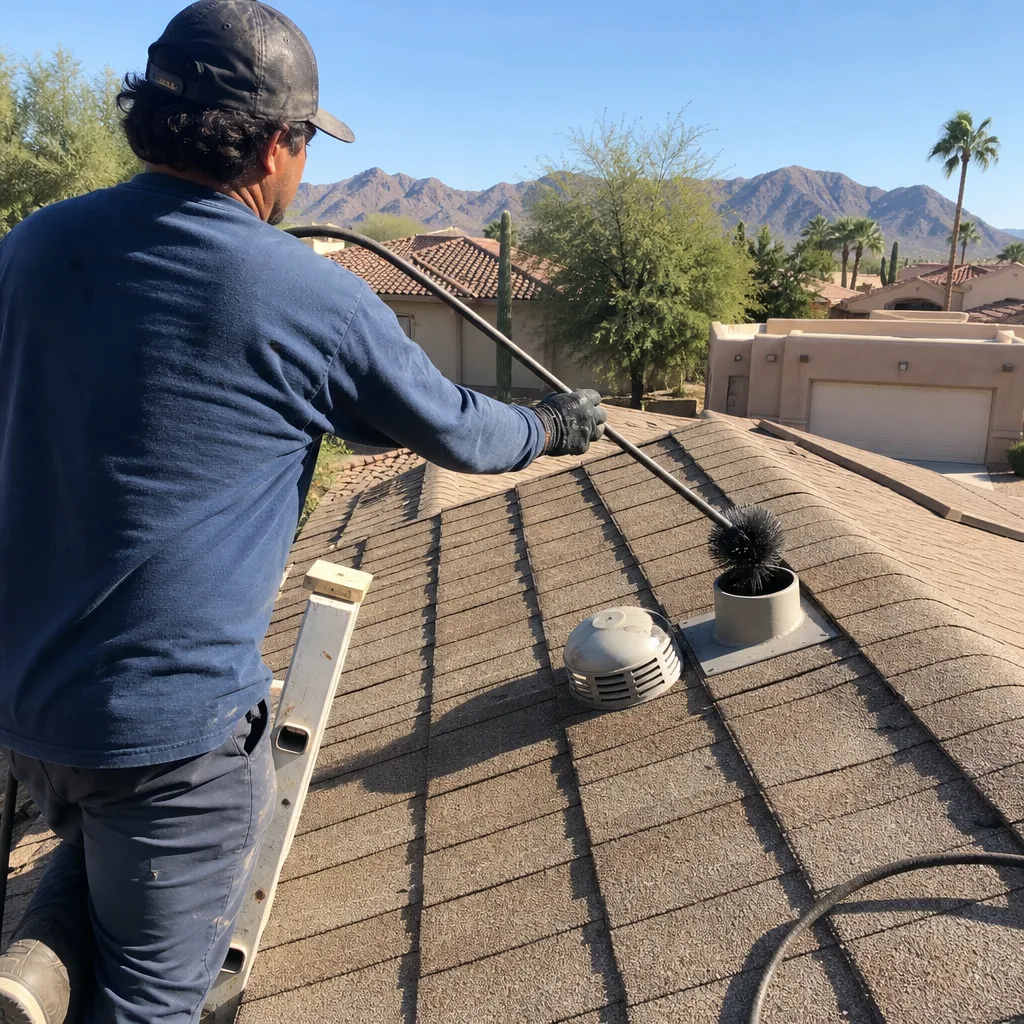
The inspection follows the same documented sequence on every job. Nothing is skipped based on how the vent looks from the outside – the camera goes in regardless, because what shows up 12 feet down the run is what matters.
- Written price delivered before work starts. Haven Standard Clause 1 means you receive a written quote covering the inspection scope before the technician touches anything. The price you approve is the price on the invoice. There is no version of a CleanRun inspection where you learn the cost after the job is done.
- Technician identification and exterior pre-inspection. Under Haven Standard Clause 3 – Verified Crews – our technician is background-checked, uniformed, and identified by name before arrival. The exterior termination cap is the first physical point of inspection: cap condition, flap operation, screen presence (screens trap lint and are not code-compliant on dryer vents), and mounting integrity are all documented.
- Full camera run from exhaust port to exterior. A rigid camera scope travels the entire duct run – every linear foot, every elbow. We photograph what the camera sees at each transition point. The camera shows lint accumulation depth, duct material type, connection integrity, and any crush or sag points. In homes with longer vent runs – some North Scottsdale builds route the dryer vent 20 feet or more to reach an exterior wall – this step is where problems that can’t be seen or felt from the laundry room get identified and located precisely.
- Airflow measurement at the termination. We measure exhaust velocity at the exterior cap using a calibrated anemometer. This gives a baseline cubic-feet-per-minute reading that tells us how restricted the system is relative to the dryer manufacturer’s spec. A clean, unobstructed 4-inch duct should move air at a measurable rate; what we see on inspection days in Scottsdale is often well below that threshold before any cleaning has been done.
- Written inspection report with photographs delivered to the customer. The documented photo record – inside every run, before any work, with findings labeled – is a standard deliverable on every CleanRun inspection. You receive it as part of the job record. If a competitor told you something needed replacing and you want to compare findings, the camera record gives you the evidence to do that objectively.
- Written scope and price for any recommended work. If the inspection identifies cleaning, duct repair, cap replacement, or a material upgrade, the technician prepares a written scope with a written price on the spot. You decide whether to proceed. Nothing is begun without your written approval. The inspection finding and the follow-on quote are two separate written documents – the inspection is not a sales tool dressed up as a service call.
BeforeAfterDryer Vent Inspection Pricing in Scottsdale
A standalone dryer vent inspection in Scottsdale runs $79 to $129 for a standard single-story residential run of up to 25 feet. That price covers the camera scope, airflow measurement, written report, and documented photo record. It does not cover any Dryer Vent Cleaning services or repair work – those are quoted separately, in writing, if the inspection finds them necessary.
Several factors move the price within or above that range:
- Duct run length: Runs longer than 25 feet – common in larger Scottsdale homes where the laundry room sits far from an exterior wall – add to the inspection time and are quoted accordingly. Every foot of additional run is an additional camera position that gets photographed.
- Roof terminations: Some Scottsdale homes, particularly single-story builds with flat or low-slope roofs, exhaust through the roofline rather than a side wall. Roof terminations require a separate exterior assessment and are priced at the higher end of the range.
- Access complexity: In condominiums and townhomes in South Scottsdale and Old Town, shared duct chases and limited access panels can add time. This is identified during the quote call and reflected in the written price before arrival.
- Second opinion inspections: If you’re bringing a competitor’s written estimate and want CleanRun’s independent camera assessment, that second opinion is provided at no charge. The only condition is that you have a written finding from the other company in hand.
If the inspection is bundled on the same visit as a full Dryer Vent Cleaning in Scottsdale, the inspection fee is applied toward the cleaning price – the written quote will show both line items clearly so you can see exactly what you’re paying for each component of the job.
Call (928) 267-0992 for a written quote. The number on your quote is the number on your invoice.
What the Camera Finds: Common Inspection Results in Scottsdale
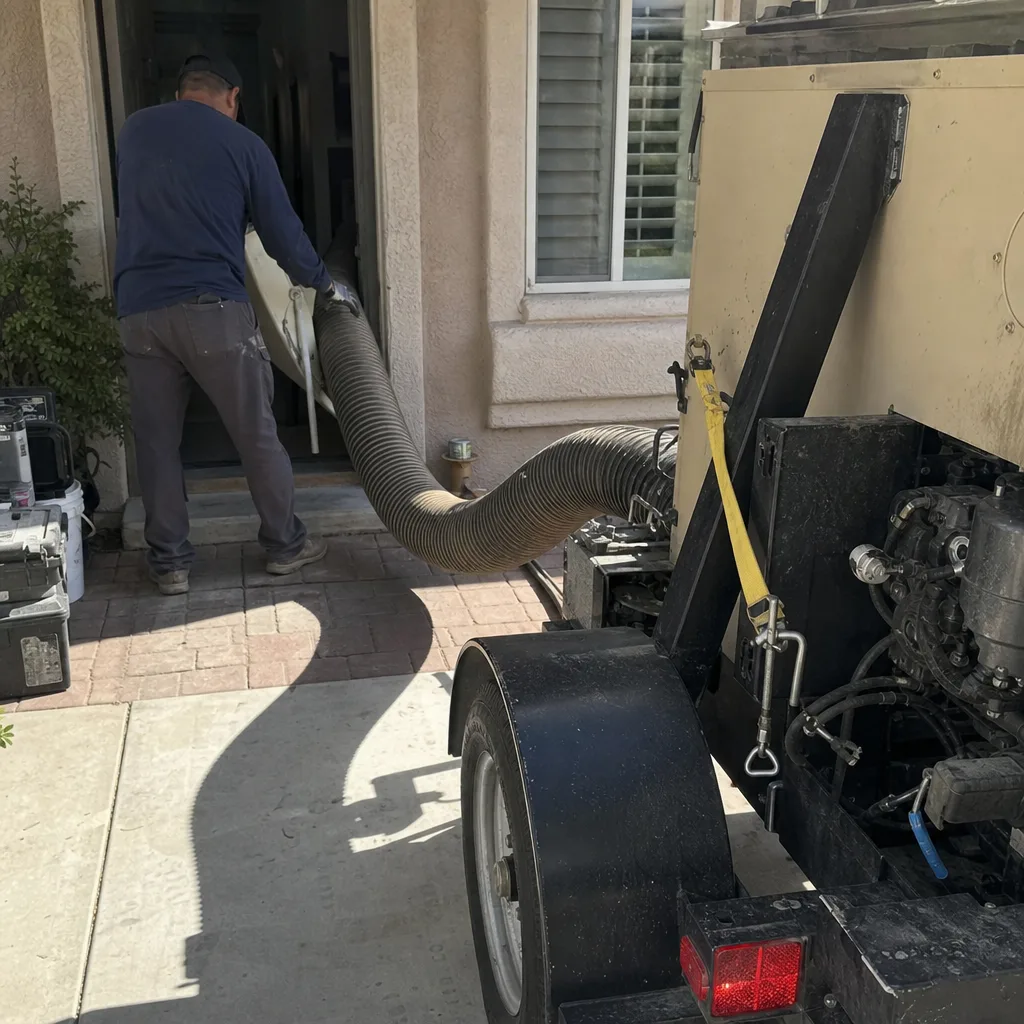
After more than a decade of dryer vent inspections across Scottsdale, the findings cluster around a predictable set of conditions. None of these are alarming to name – they’re just what shows up on camera, documented, so you can make a decision with actual evidence.
Lint accumulation at the first elbow
In Scottsdale homes where the dryer sits against an interior wall, the duct typically makes a 90-degree turn within the first few feet. Lint – which is essentially short textile fiber that hot air carries off your clothing – drops out of the airstream at the point of direction change. The camera routinely shows a compacted lint accumulation at this first elbow, sometimes reducing the effective interior diameter of a 4-inch duct to 2 inches or less. This is the most common finding and the most straightforward to clear during a cleaning visit.
Improper duct materials
Plastic accordion flex duct and thin foil accordion flex duct show up frequently in Scottsdale homes built before 2005. Both materials are problematic for the same reason: the corrugated interior surface catches lint on every ridge, and neither material holds its shape over time. By the time the camera reaches a sagged section, the duct has often narrowed to 50-60% of its original diameter at the low point. Current standards call for rigid galvanized metal duct or UL 2158A-listed semi-rigid aluminum. When the inspection finds non-compliant materials, the written report names the specific material type and its location in the run.
Disconnected sections
In homes where the dryer has been moved, serviced, or reinstalled without a vent specialist involved, the camera occasionally shows a gap or partial disconnection in the run – typically behind the wall or above a ceiling where it isn’t visible. This means the dryer has been exhausting lint and moisture into the wall cavity rather than to the exterior. The inspection locates the gap precisely enough that a repair can be scoped and priced accurately.
Screened termination caps
Pest screens on dryer vent termination caps are a persistent problem in Scottsdale, where homeowners and pest-control companies sometimes install them to keep insects and birds out of the vent opening. Screens trap lint within a few cycles and will reduce airflow to near-zero in a matter of months. The exterior pre-inspection catches this immediately; it’s one of the first things our technician photographs before the camera goes in.
Dryer Vent Safety: What This Inspection Addresses
Lint is a fine, dry, combustible material, and a dryer vent moves hot air through it repeatedly. That combination is worth taking seriously. We’re not going to overstate the risk – most restricted dryer vents don’t produce a fire – but the conditions that lead to ignition are exactly the ones a camera inspection finds and documents: lint accumulation inside the duct, elevated operating temperatures, and restricted airflow that forces the heating element to cycle longer than designed. An inspection gives you a camera record of what’s actually present, not a guess based on how long it’s been since the vent was last cleaned.
If you’ve been quoted a cleaning by a company that didn’t run a camera, you don’t have a diagnosis – you have a price for a service that may or may not address what’s actually wrong. CleanRun runs the camera first, writes the finding down, shows you the photo, and then quotes the work. That sequence matters.
FAQs – Dryer Vent Inspection in Scottsdale
How long does a dryer vent inspection take?
A standard dryer vent inspection in Scottsdale takes 30 to 60 minutes from setup to written report delivery. Homes with longer duct runs – 25 feet or more, which we see regularly in larger North Scottsdale properties – take closer to the 60-minute end because the camera covers more ground and every elbow and transition gets photographed. If the inspection reveals conditions that need cleaning on the same visit, that work is scoped and quoted separately and will add time. Call (928) 267-0992 and we’ll give you a written time estimate along with the written price before the appointment is confirmed.
How much does a dryer vent inspection cost in Scottsdale?
A standalone dryer vent inspection in Scottsdale runs $79 to $129 for a standard residential run up to 25 feet, with longer runs, roof terminations, and complex access situations quoted at the higher end of that range - see How Much Does Dryer Vent Cleaning Cost? (2026 Price Guide) - Scottsdale, AZ for detailed pricing. Every inspection includes a camera scope of the full duct run, airflow measurement at the exterior cap, a written inspection report, and a documented photo record – those are standard deliverables, not add-ons. If the inspection is done on the same visit as a full cleaning, the inspection fee applies toward the cleaning price. The written quote you receive before the job starts is the number on your invoice. Call (928) 267-0992 for your written quote.
Do I need an inspection, or can I just book a cleaning?
The inspection is what tells you whether a cleaning is actually what your vent needs. A cleaning without an inspection might clear a lint blockage while leaving a disconnected duct section, a non-compliant material, or a failed termination cap in place – conditions that will recreate the problem within months. The inspection findings determine what work is actually appropriate, which is why CleanRun runs the camera before quoting any cleaning scope. If a competitor quoted you a cleaning without a camera inspection, bring that written estimate to us and we’ll run our own inspection and put our independent findings in writing at no charge.
How often should a dryer vent be inspected in Scottsdale?
An annual inspection is reasonable for most Scottsdale households running a dryer regularly. Homes with longer duct runs, households doing more than 8-10 loads per week, or homes with existing flex duct that hasn’t been replaced benefit from inspection every 6 to 12 months because restricted or non-compliant materials accumulate lint faster than rigid metal systems. If you haven’t had a camera inspection since you moved in – and most Scottsdale homeowners we talk to haven’t – start there and let the findings and the photo record tell you what cadence makes sense going forward.
The CleanRun Guarantee on Every Inspection
Every dryer vent inspection CleanRun performs in Scottsdale is backed by the 365-Day Done Right Promise. If the work isn’t right, Tomas Reyes and the team make it right – that’s a written commitment on every job, not a policy subject to internal approval. The photo record we deliver at the end of the inspection is your evidence that the camera covered the full run. The written report is your evidence of what was found. Both documents belong to you.
We’ve held this standard since our first job in 2013. The photo record was part of the deliverable then, and it’s part of the deliverable now. That consistency is what 52,000+ completed jobs looks like in practice.
If you want to know what’s inside your dryer vent – specifically, with camera evidence, with a written price before anything starts – call (928) 267-0992. A live person answers. You’ll have a written quote before the call ends.
Written by Tomas Reyes, Owner at CleanRun Air Duct Cleaning Scottsdale, serving Scottsdale since 2013.