
Last updated September 23, 2026
Whole-system duct and dryer vent check with before-and-after photos - you see exactly what came out of your vents
That "$99 whole-house special" is a bait ad - the real number appears once they are in your hallway, or the "clean" is a shop-vac at the register. We photograph the inside of your ducts before and after instead.
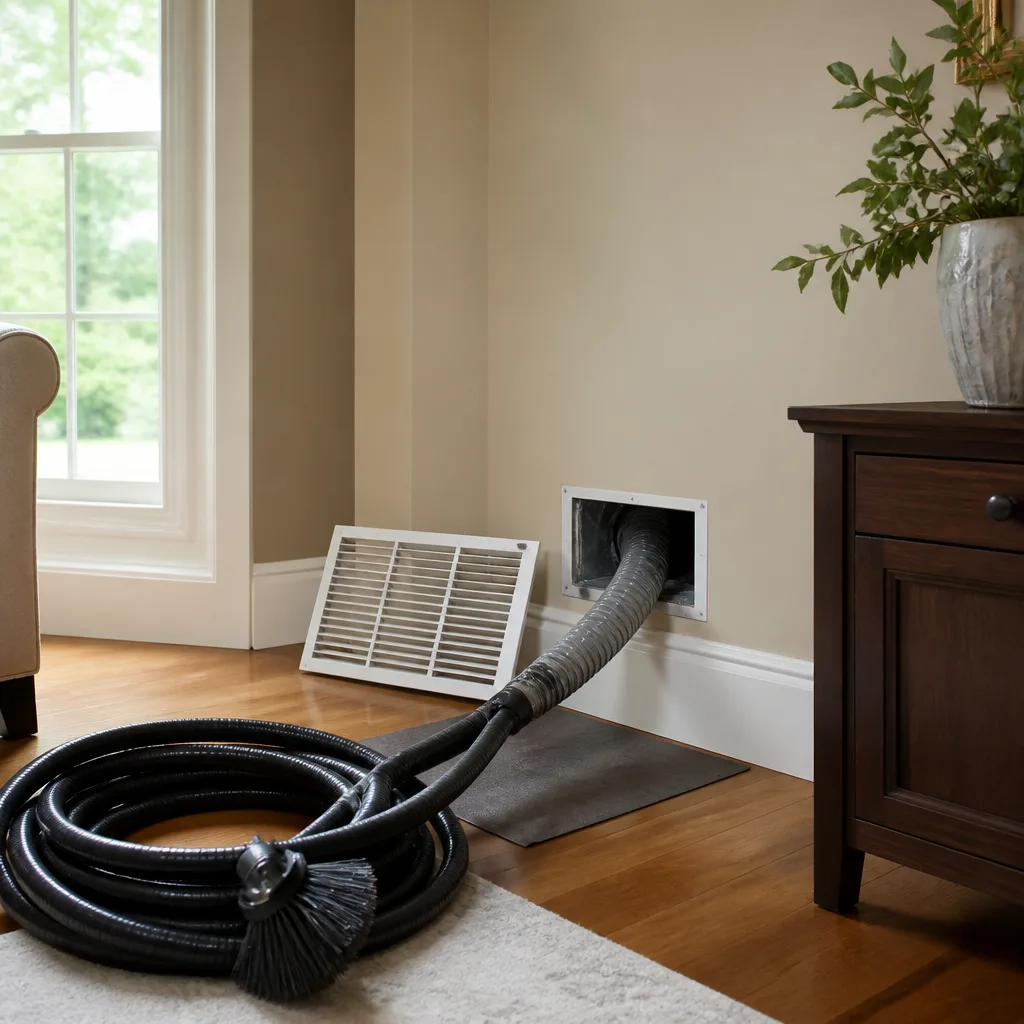
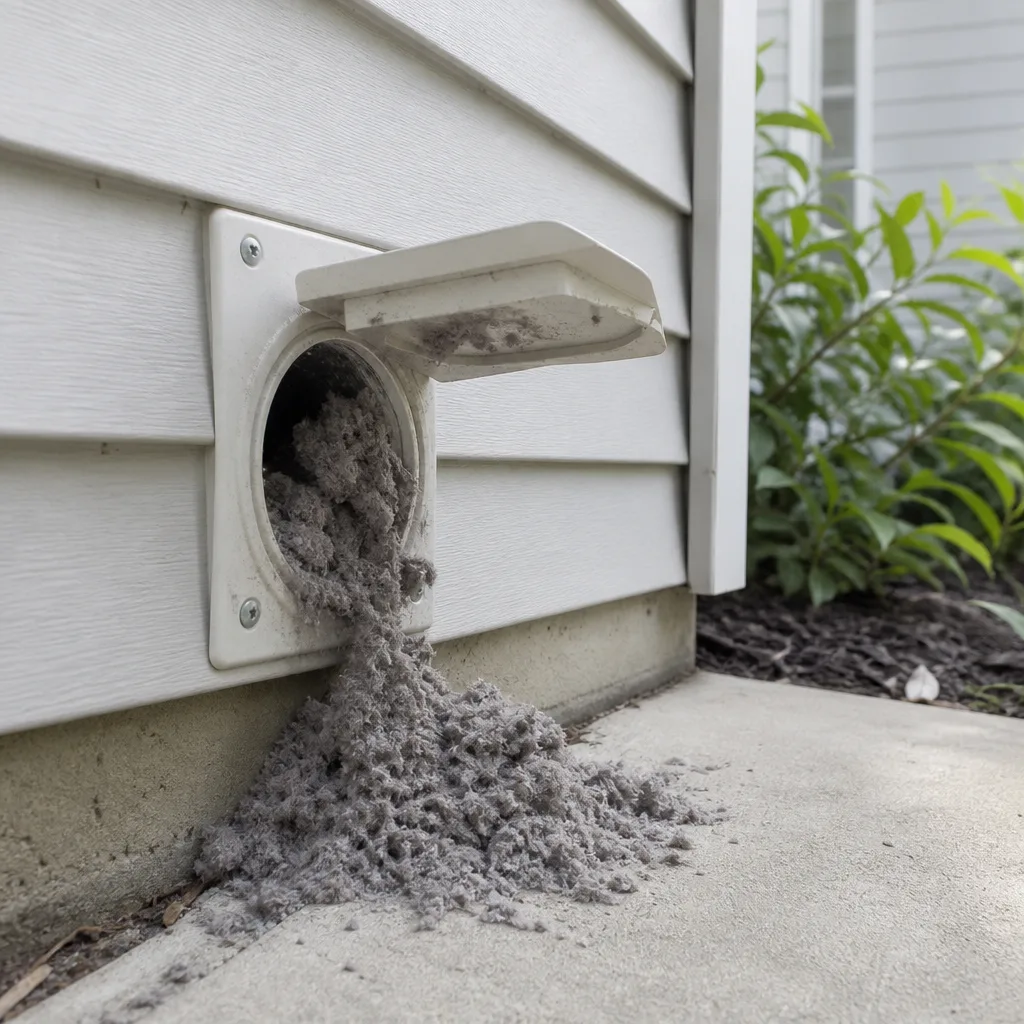
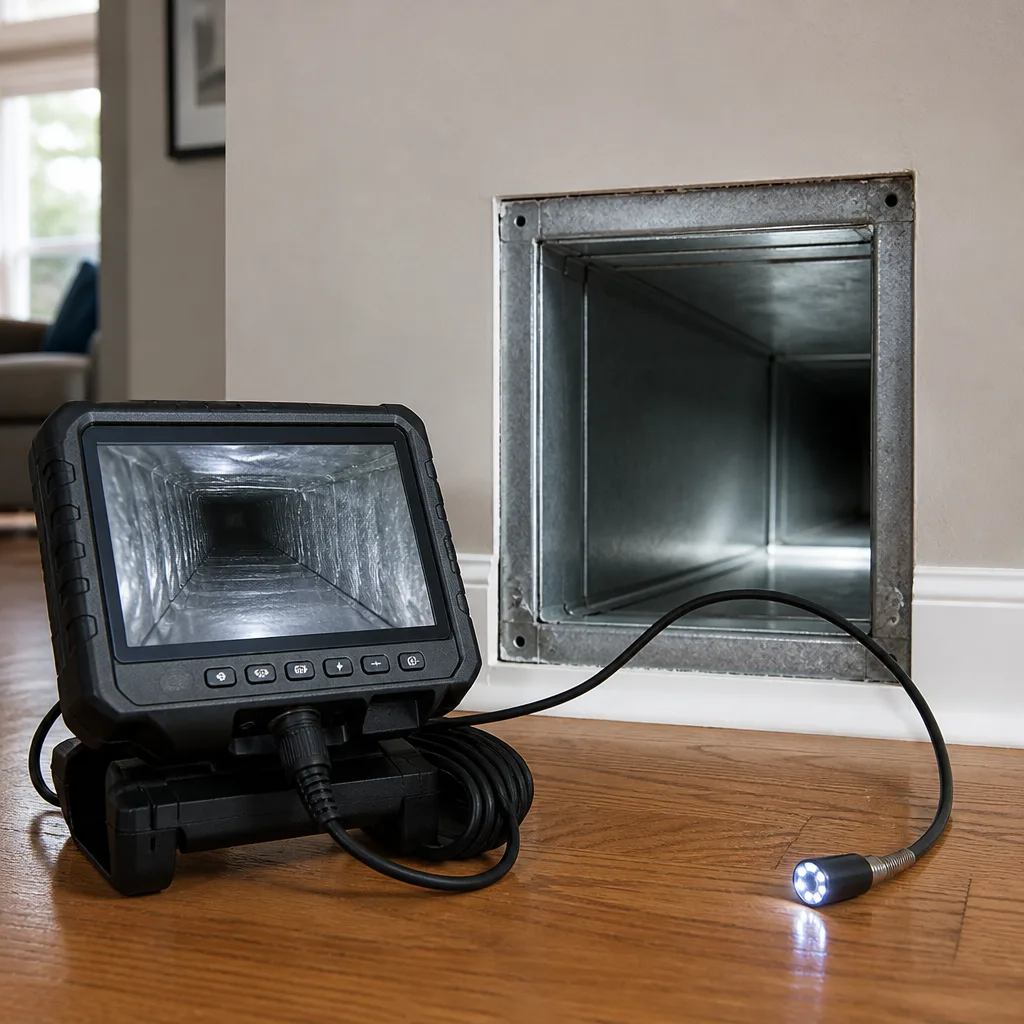
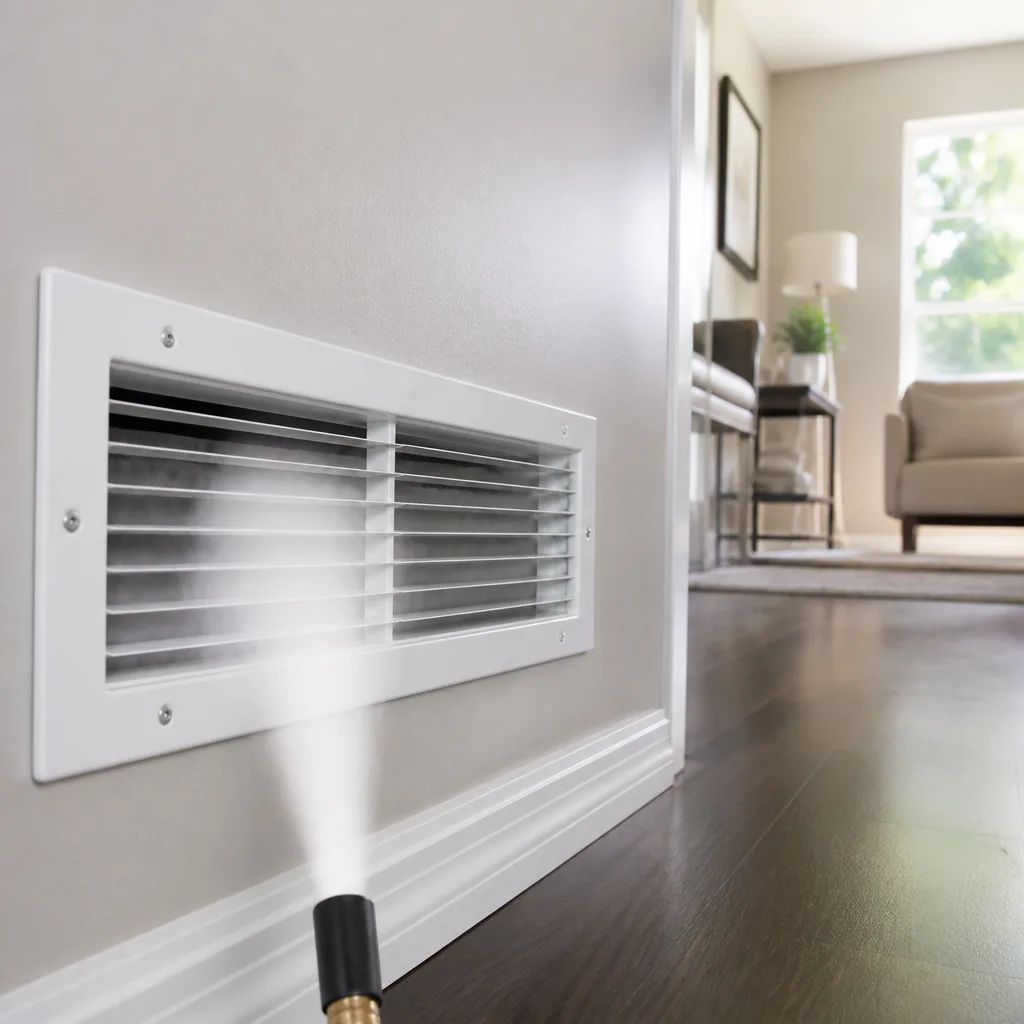
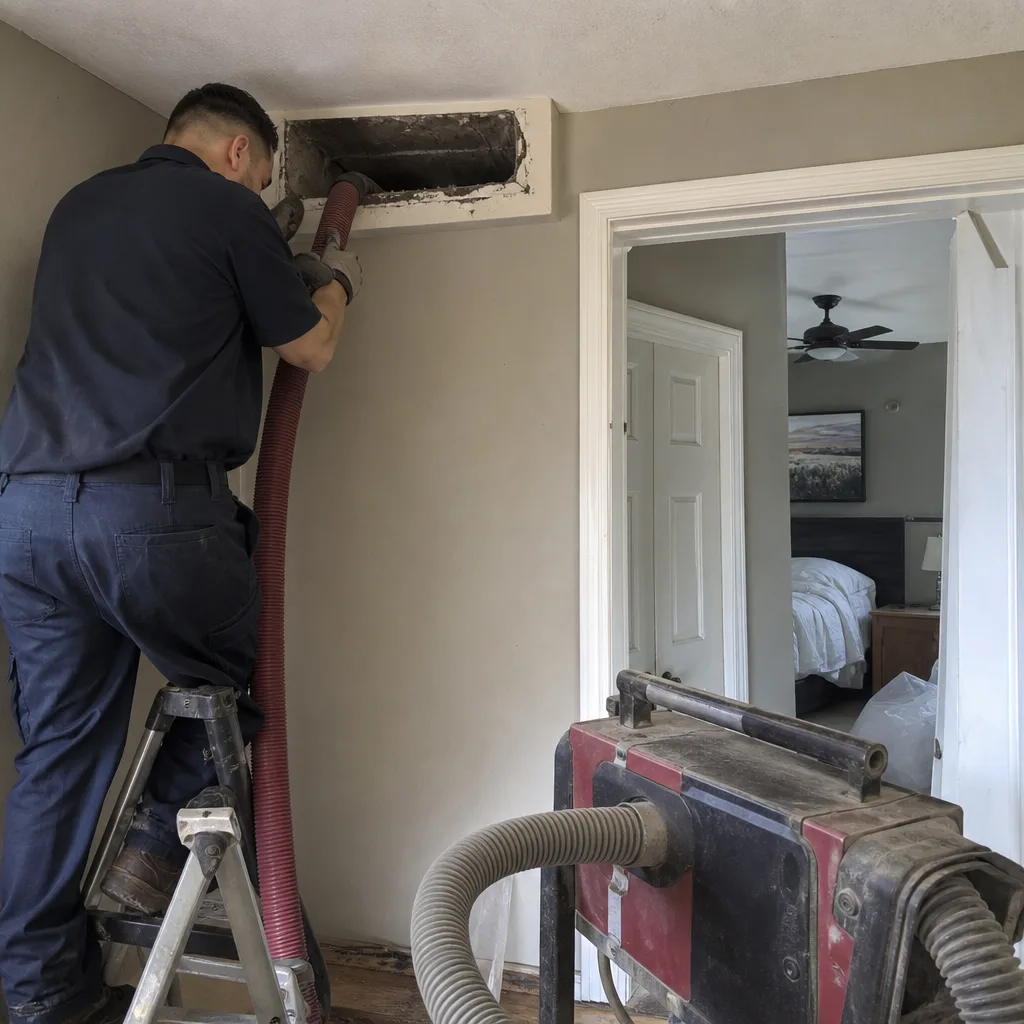 Before
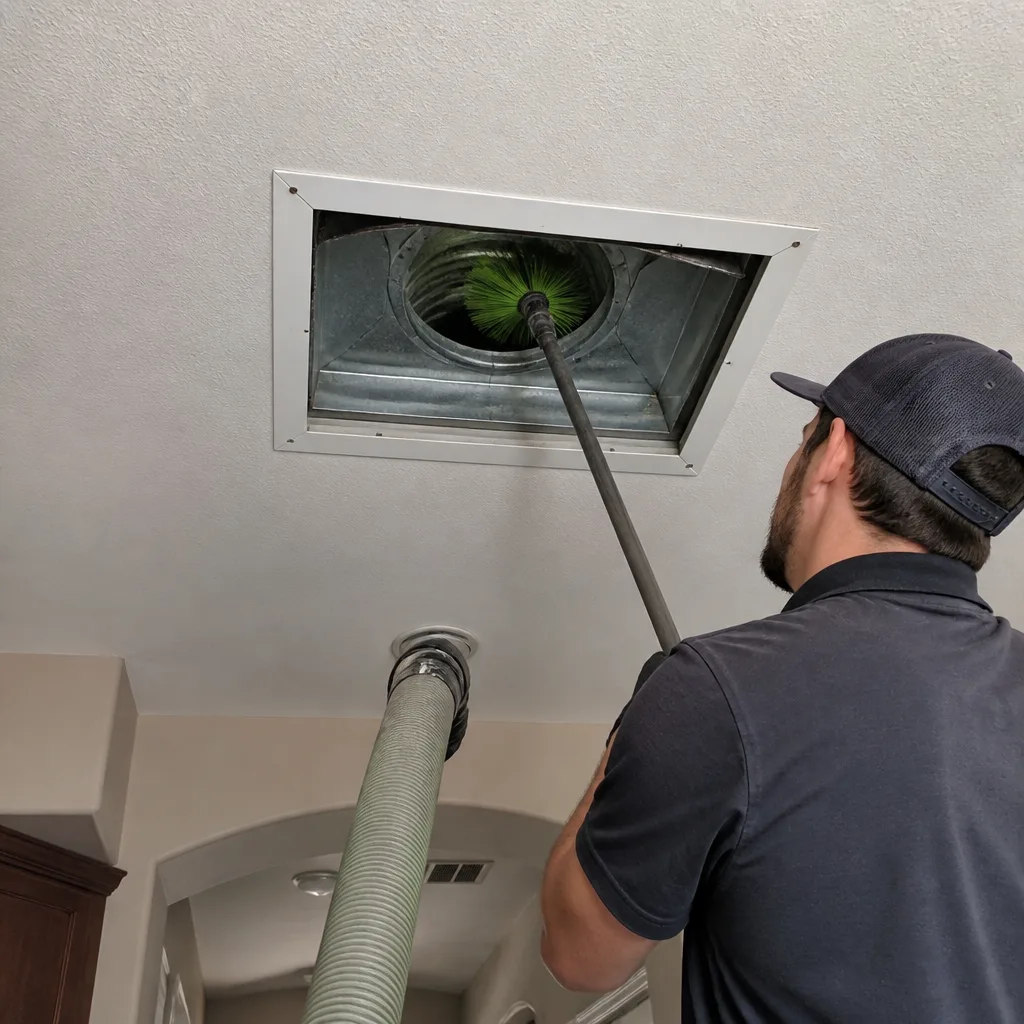 After
After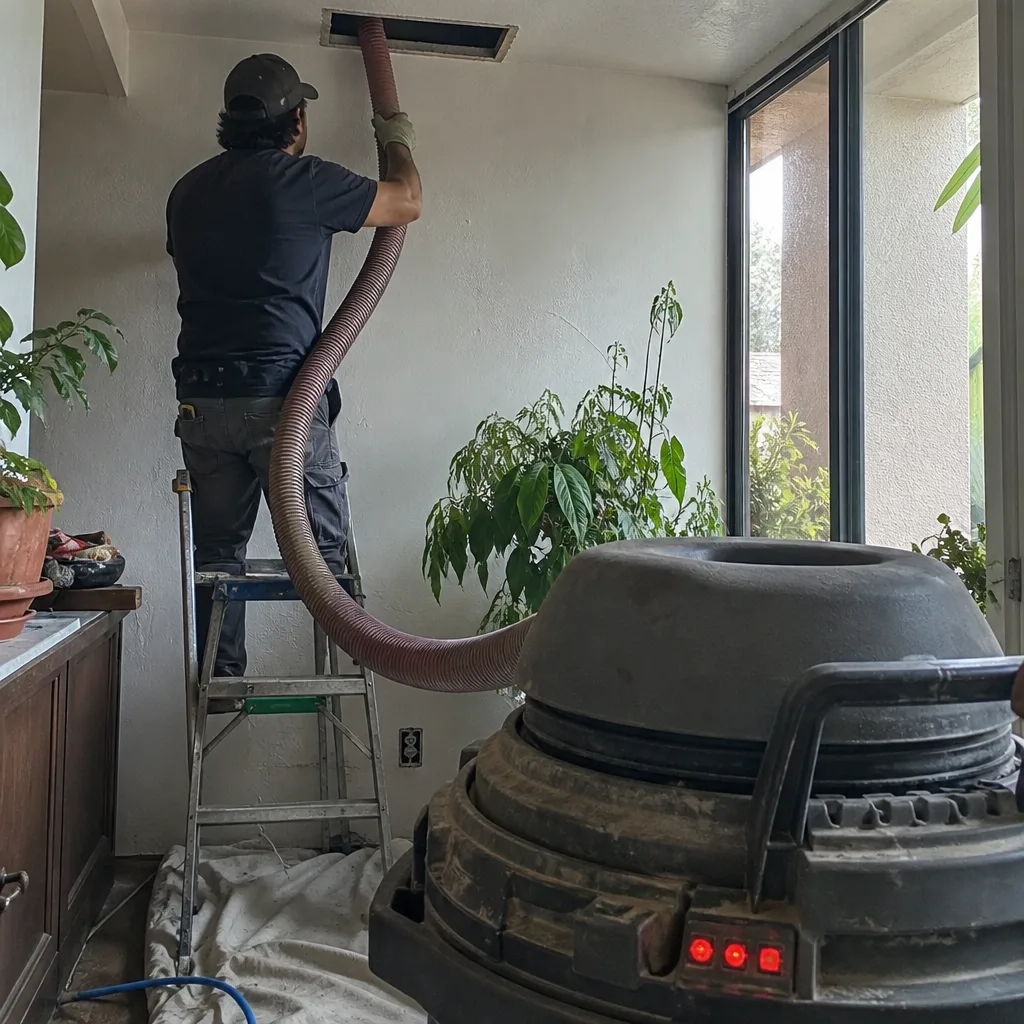 Before
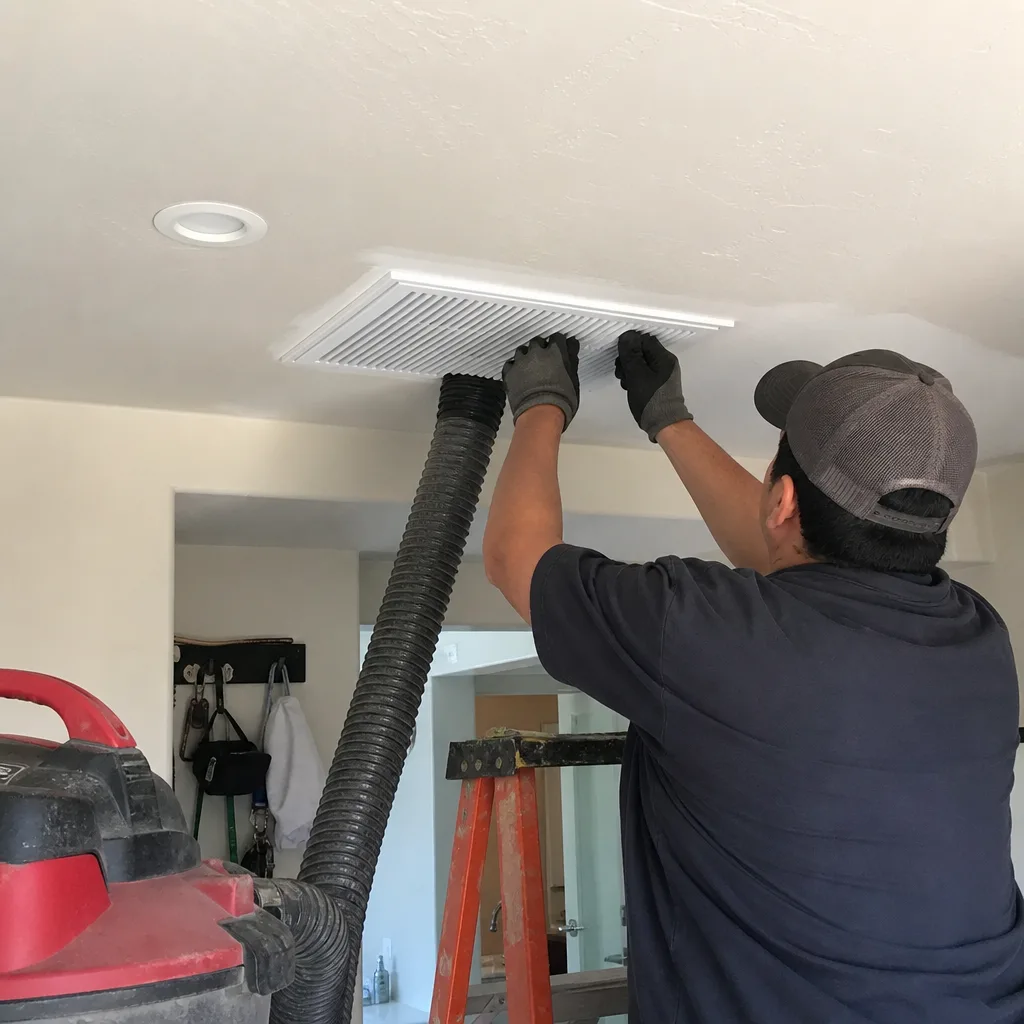 After
After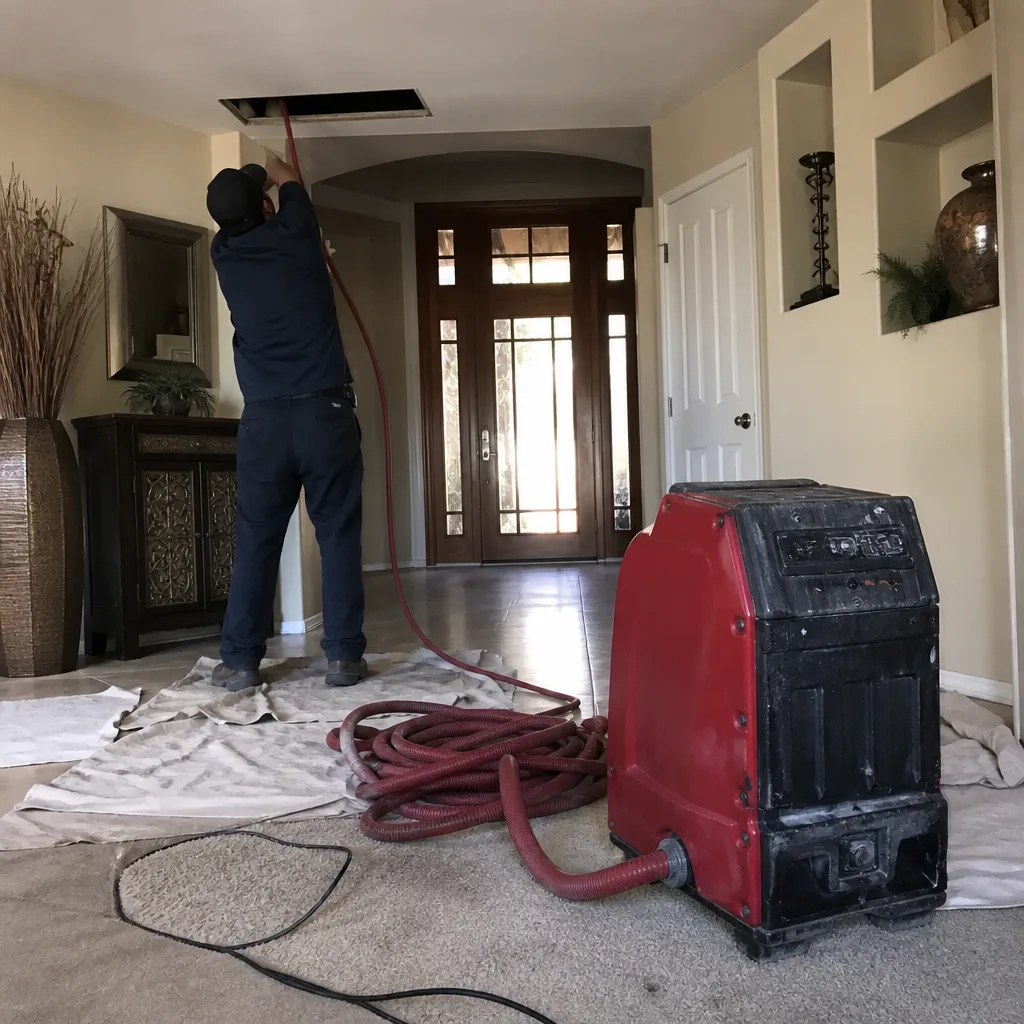 Before
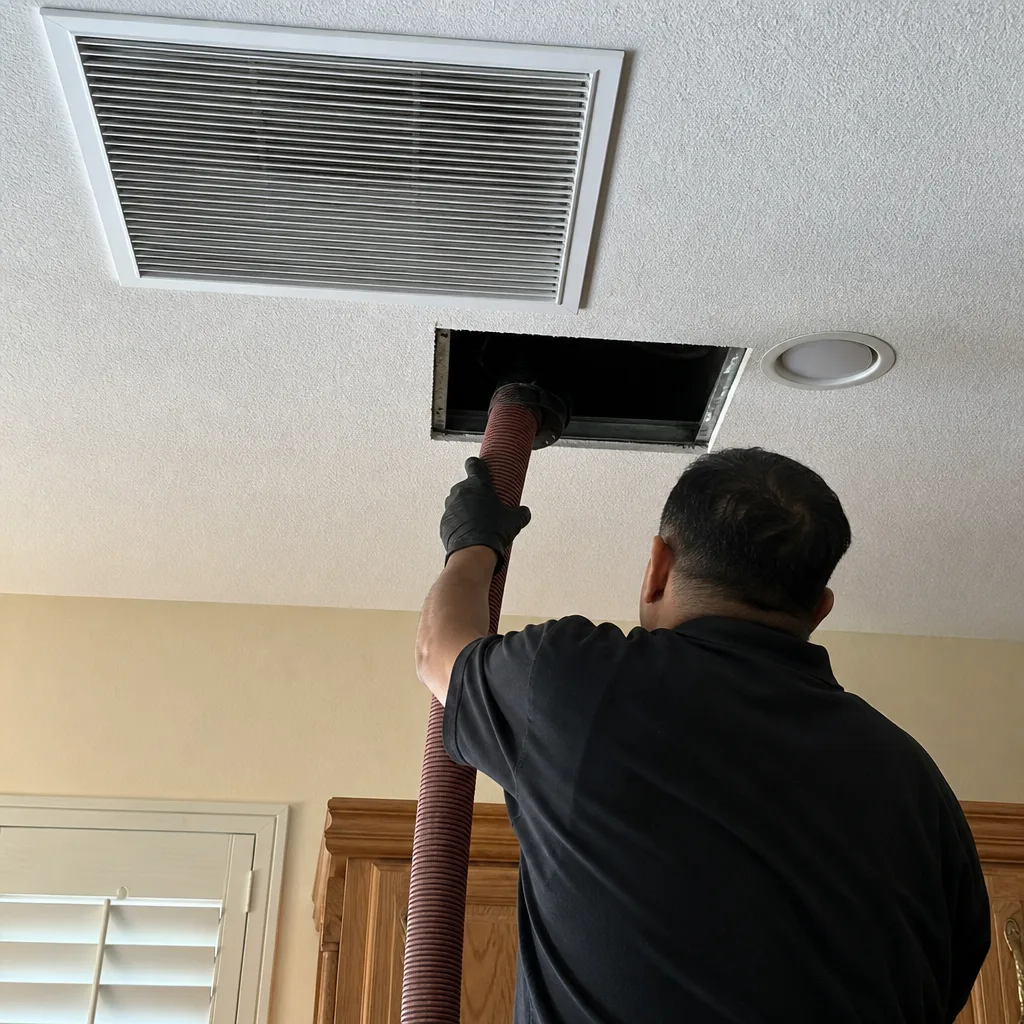 After
AfterAir Duct Cleaning Cost Breakdown: The Scottsdale Homeowner’s Reference for 2026
In 2025, a Scottsdale homeowner received three duct cleaning quotes for the same 2,400 square foot home: $129, $389, and $675. All three used the word “complete.” Only one specified the vacuum collection unit CFM rating, the number of duct runs to be accessed, and the photo documentation format. Price alone told the homeowner nothing about what would actually happen inside their walls.
This guide translates contractor pricing language into mechanical reality. You’ll learn how Scottsdale’s desert climate affects what duct cleaning should cost, which line items on a quote correspond to actual labor and equipment, and how to distinguish a legitimate add-on from pressure selling. For more guides & resources, explore our blog. By the end, you’ll be able to evaluate any quote based on what work it describes, not what it promises.
Quick Answer
Professional our Air Duct Cleaning services in Scottsdale costs between $350 and $850 for most single-family homes in 2026, with the final price driven by accessible duct runs, the type of vacuum collection system used, and whether the job includes documented before-and-after photography of every run. A written quote below $300 for a home over 2,000 square feet typically indicates a portable shop-vac job without register removal or negative-pressure containment.
Table of Contents
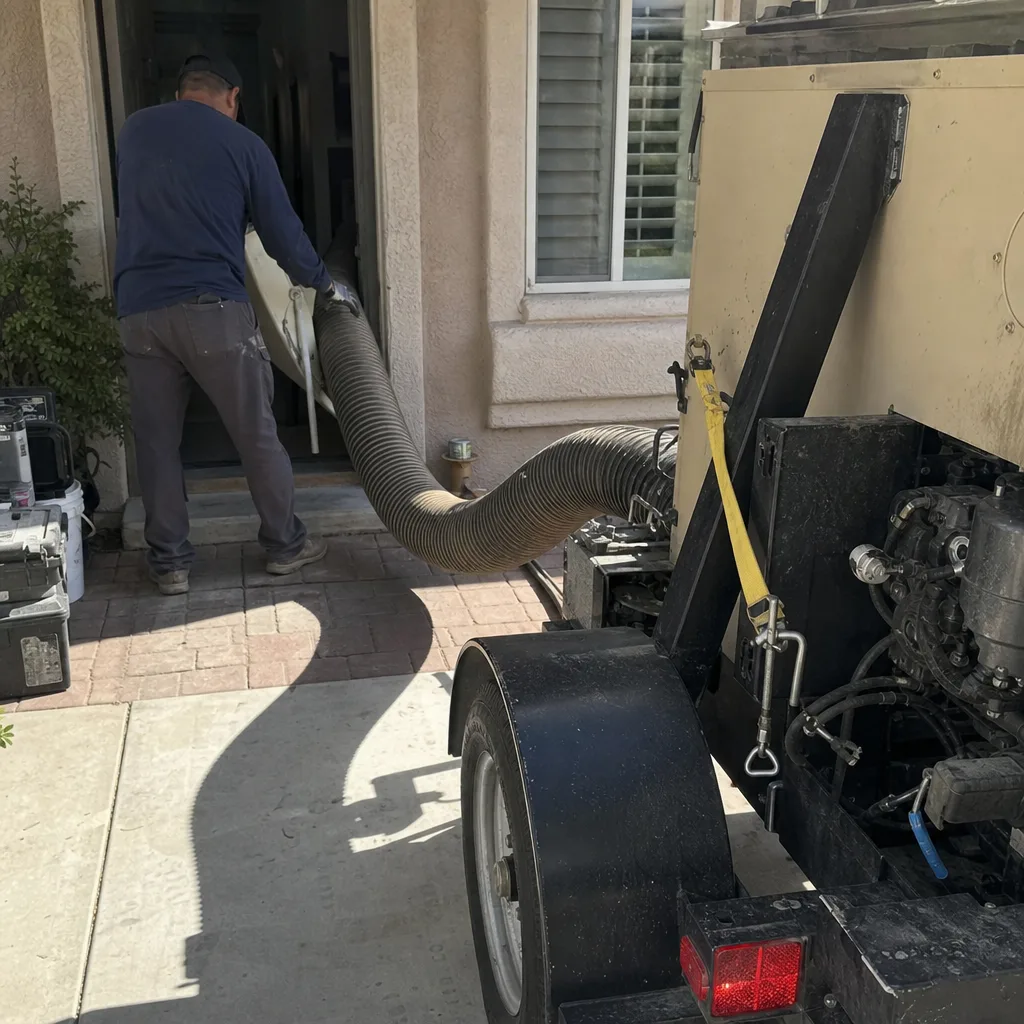
- What “Complete” Actually Means: The Line Items Behind the Price
- Cost by Home Size: Scottsdale Market Ranges for 2026
- Equipment Differences That Change the Price
- Legitimate Add-Ons vs. Upsell Pressure
- The Cost of Not Cleaning: A Scottsdale-Specific Calculation
- Why Photo Documentation Changes What You Pay
- How to Compare Quotes Apples-to-Apples
- Common Mistakes to Avoid
- When to Call a Professional
- Frequently Asked Questions
BeforeAfterWhat “Complete” Actually Means: The Line Items Behind the Price
The word “complete” appears on virtually every duct cleaning quote in Scottsdale. Without a written scope, it means nothing. Here’s what the price actually pays for, broken into units of work any homeowner can verify.
Per-Duct-Run Access Labor
A “duct run” is a single continuous path from your air handler’s plenum (the distribution box attached to your furnace or AC unit) to a register vent. A typical Scottsdale home built between 2015 and 2025 has 12 to 18 runs. Each run requires:
- Register removal and protective covering of the floor or carpet beneath
- Access hole cutting at the plenum or trunk line, or register-level contact cleaning
- Agitation (mechanical brushing or compressed air whip) to dislodge debris
- Negative-pressure extraction to pull loosened material into a collection unit
- Register reseating and seal check
Each run takes 15 to 25 minutes of technician time when done properly. At Scottsdale labor rates, that’s $25 to $45 per run before equipment costs. A 12-run home should show roughly $300 to $540 in labor alone. If your quote is $199 total, the math doesn’t work unless corners are cut.
Vacuum Collection Unit: Truck-Mounted vs. Portable
The vacuum unit’s CFM (cubic feet per minute) rating determines whether debris is actually extracted or merely redistributed. Truck-mounted systems from manufacturers like Nikro and Abatement Technologies pull 5,000 to 15,000 CFM. Portable HEPA units pull 1,000 to 2,500 CFM. The portable unit costs less to transport and operate, which is why low-price operators use them exclusively. In Scottsdale’s fine desert dust environment, truck-mounted negative pressure is the only method that reliably prevents recontamination during the job.
Register Removal and Reseating
Registers (the visible vent covers) must come off for proper access. Some contractors skip this, running a brush through the visible opening only. This takes 3 minutes per vent instead of 20, but cleans perhaps 18 inches of duct. A proper quote specifies “register removal and reseating” as a distinct line item.
Photo Documentation Overhead
Photographing inside every duct run before and after adds 20 to 30 minutes to the job. The camera equipment, image storage, and delivery system cost money. A quote that includes this will be higher than one that doesn’t. The question is whether you want to pay for proof of work or hope it happened.
At CleanRun, we publish our scope in writing under Haven Standard Clause 1: Written Price Before Any Work Starts. The quote you receive names the number of duct runs, the CFM rating of the collection unit, and the photo documentation format before a single panel comes off.
Cost by Home Size: Scottsdale Market Ranges for 2026
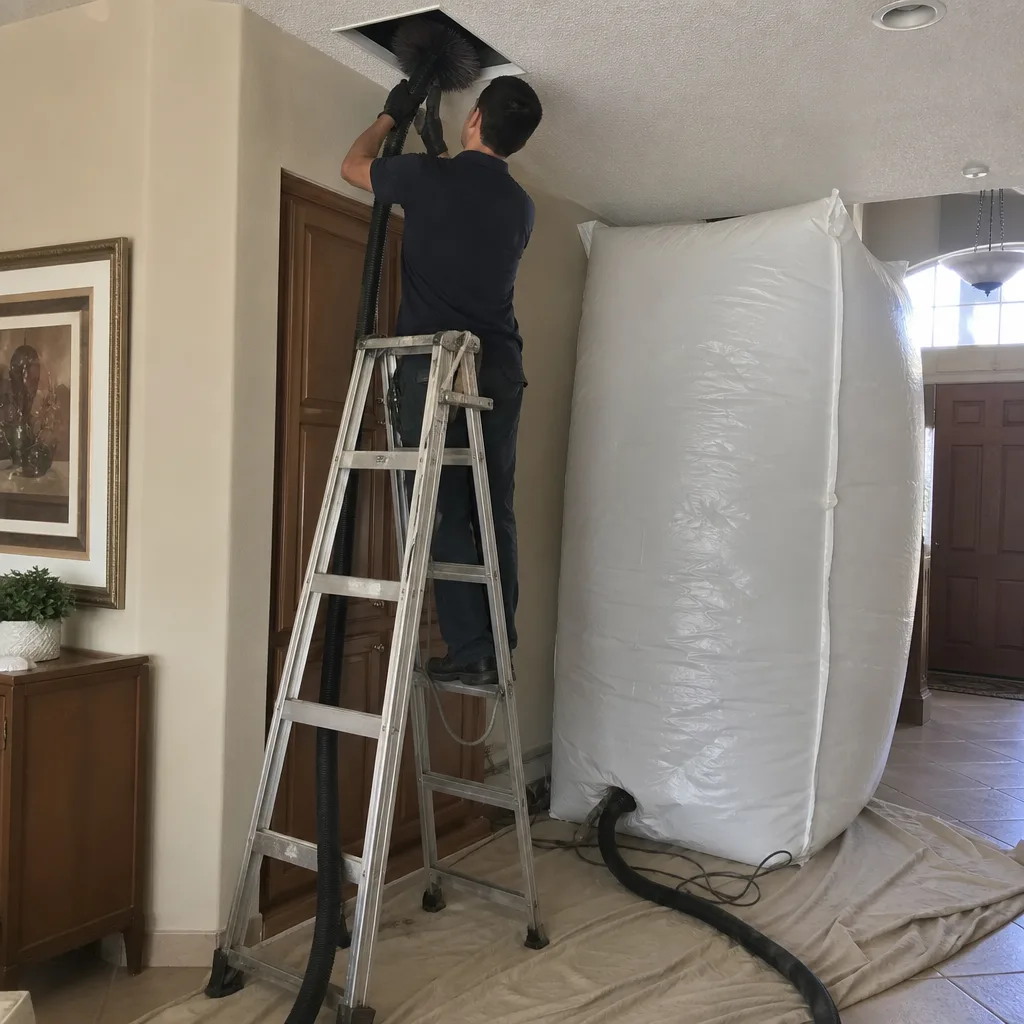
These ranges reflect actual quotes collected from Scottsdale-area homeowners in 2024 and 2025, adjusted for 2026 labor and fuel costs. For a detailed preparation guide, see our Air Duct Cleaning Maintenance Checklist for Scottsdale Homeowners. They assume a standard single-story home with accessible crawl space or attic, which describes most construction in neighborhoods like DC Ranch, McCormick Ranch, and the Shea corridor.
| Home Size | Run Count (Typical) | Basic Portable-Vac Job | Truck-Mounted with Register Removal | Full Service with Photo Documentation |
|---|---|---|---|---|
| Under 1,500 sq ft | 8-10 | $180-$280 | $320-$450 | $400-$550 |
| 1,500-2,500 sq ft | 12-16 | $220-$340 | $380-$550 | $480-$680 |
| 2,500-3,500 sq ft | 16-22 | $280-$400 | $480-$680 | $580-$820 |
| 3,500-5,000 sq ft | 22-30 | $340-$480 | $620-$850 | $750-$1,050 |
A $150 job on a 3,000 square foot Scottsdale home is not physically possible with proper negative-pressure equipment. The portable vacuum rental alone costs more than that when amortized across reasonable job volume. What actually happens at that price point: a shop-vac inserted at the register opening, 5 minutes per vent, no register removal, no plenum access, and no containment of airborne debris during the process.
Homes in north Scottsdale’s hillside areas, including parts of Troon and Desert Mountain, often have longer duct runs and additional returns due to multi-zone HVAC systems. These add 15 to 25 percent to labor time. Homes in Old Town Scottsdale’s historic district may have original galvanized ductwork from the 1950s or 1960s, which requires gentler agitation methods and adds time per run.
Equipment Differences That Change the Price
The tools used on your job determine both the result and the fair price. Here’s how to read equipment names on a quote.
Negative-Pressure Extraction Systems
Truck-mounted systems from Nikro and Abatement Technologies create sustained negative pressure throughout the duct network during cleaning. This prevents the “snow globe effect,” where agitation loosens debris that then settles elsewhere in the system. In Scottsdale, where monsoon season kicks up fine particulate that infiltrates even sealed homes, this containment matters.
Portable HEPA units have their place: tight access where a truck cannot park, or multi-story commercial buildings. For residential work in Scottsdale’s suburban lots with driveway access, they’re a cost-saving shortcut, not an equivalent method.
Agitation Tools
Mechanical brushing systems, like the Rotobrush line, use a rotating brush head on a flexible cable to contact duct walls directly. Compressed air whips use pulsing air streams to knock debris free. Both work when used correctly. The key variable is whether the tool is sized to the duct diameter, and whether the operator advances it the full length of each run.
Some contractors use only contact vacuums, essentially a long hose with suction but no agitation. These remove loose surface debris only. A proper quote names the agitation method.
Air Quality and Sanitizing Equipment
Honeywell and Aprilaire make whole-home air purifiers and UV-C systems that install at the air handler. These are legitimate products with published MERV ratings and UV output specifications. They are not, however, duct cleaning. A quote that bundles “sanitizing treatment” without naming a specific product, its EPA registration number, and its mechanism of action is selling chemistry you cannot verify.
At CleanRun, we name the equipment on every quote. If a Guardsman containment barrier is used for dust isolation during the job, it’s listed. If an Aprilaire media upgrade is recommended for your return plenum, the model number and MERV rating appear in writing.
Legitimate Add-Ons vs. Upsell Pressure
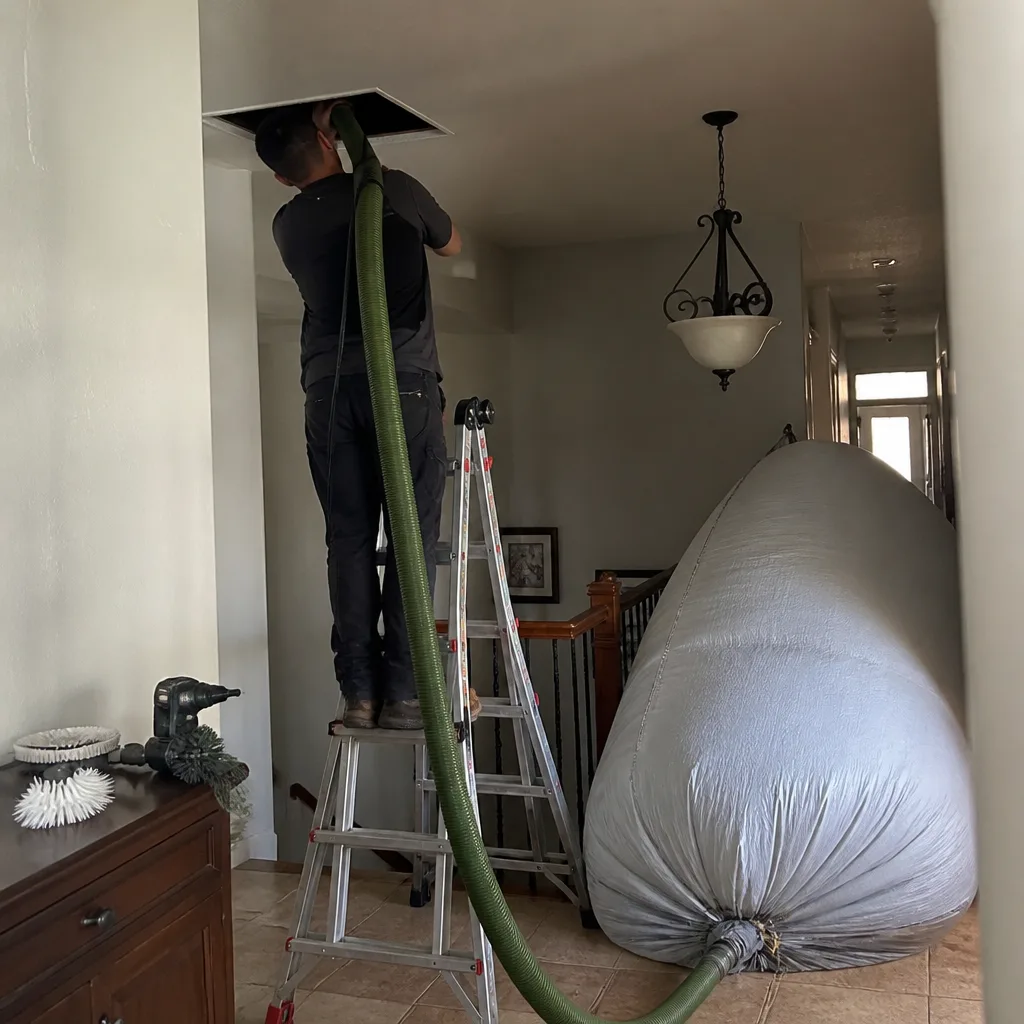
The $79 coupon model survives on add-ons. The technician arrives, inspects the system, and discovers “problems” that multiply the final invoice. Here’s how to tell a real additional service from a pressure tactic.
Documentable Add-Ons
Mastic sealant application on confirmed leaks: Duct leakage is measurable with a pressure pan test or duct blaster. If your contractor shows you a smoke pencil demonstration or pressure differential reading at a visible gap, and then applies mastic (a thick, fiber-reinforced paste) that you can see and touch after it cures, that’s legitimate. The work is photographable and testable.
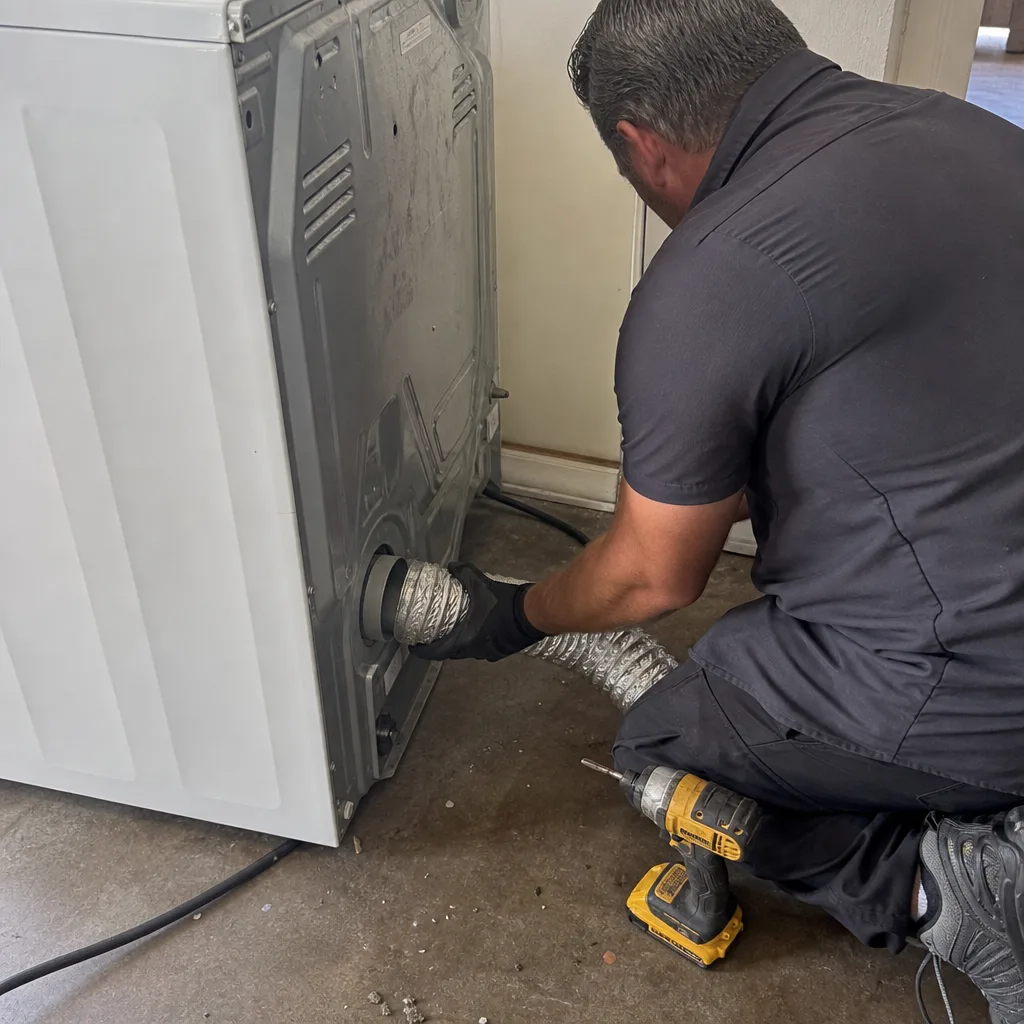
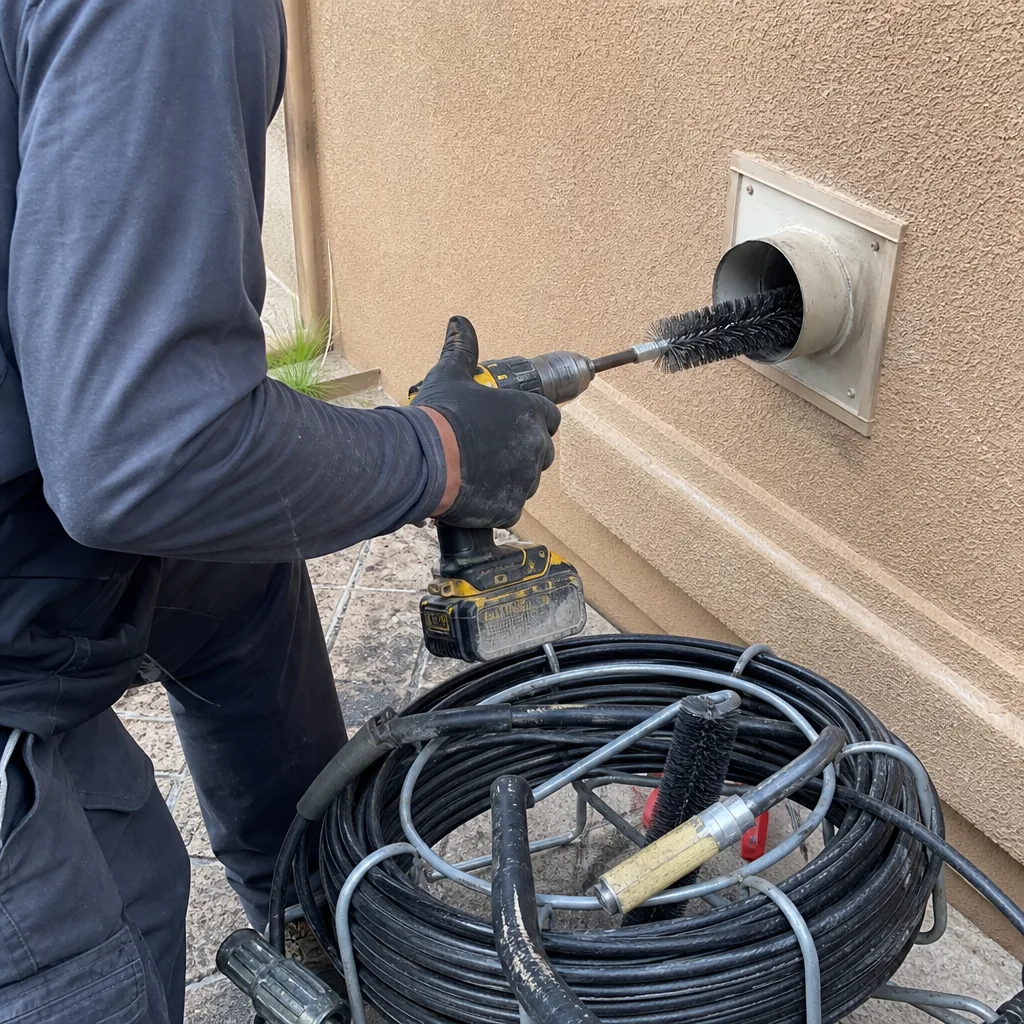
Dryer vent cleaning: A separate service with its own scope. The vent run from your dryer to exterior termination should be cleaned annually for fire safety. It’s not duct cleaning, but it’s a reasonable add-on if your vent is clogged. Dryer Vent Cleaning in Scottsdale covers this in detail.
HVAC component cleaning: The evaporator coil, blower assembly, and condensate pan are not inside the duct network but affect the air passing through it. Cleaning these requires opening the air handler cabinet and is a distinct labor step. A quote that specifies “coil cleaning” with access method and cleaning agent is legitimate.
Questionable Add-Ons
“Sanitizer treatment” on dry desert ductwork: Scottsdale’s climate produces extremely low humidity for most of the year. Microbial growth in ducts requires moisture. If your ducts are dry, a chemical “sanitizer” is treating a problem that doesn’t exist. Ask for the moisture reading that justified it.
“Deep cleaning” with no defined difference: If the base service is undefined, “deep cleaning” is meaningless. A proper scope defines standard work; anything beyond it is specified in additional line items with additional prices.
Mold “tests” performed by the same company selling remediation: Conflict of interest. Independent mold assessment is available in Scottsdale through several certified industrial hygienists.
CleanRun’s approach: every add-on is a separate line item with a separate price, justified by a photograph or measurement you can see. Haven Standard Clause 1 requires the written total before work starts, so add-on pressure is structurally impossible.
The Cost of Not Cleaning: A Scottsdale-Specific Calculation
Some homeowners frame the question as “Should I pay for duct cleaning?” A more useful frame: “What’s the net cost of not cleaning, and over what timeline?”
HVAC Efficiency Impact
The Department of Energy estimates that 25 to 40 percent of heating and cooling energy is wasted through duct leakage and friction losses. Debris buildup on duct walls increases friction. A 2007 Texas A&M study found that even moderate debris accumulation reduced airflow by 10 to 15 percent in residential systems.
Scottsdale’s summer cooling load is extreme. A 3-ton AC unit runs approximately 2,800 hours per cooling season. At APS’s 2026 residential rate of roughly $0.13 per kWh (time-of-use plans vary), a 3-ton unit drawing 3.5 kW costs about $1,274 per season to operate. A 12 percent efficiency loss from restricted airflow adds $153 annually.
Over three years, that’s $459 in excess electricity cost. Against a $550 duct cleaning with documented results, the net cost of cleaning is $91, or about $30 per year.
Equipment Lifespan
Restricted airflow causes evaporator coil freezing, compressor short-cycling, and blower motor overwork. A failed compressor replacement in Scottsdale runs $2,500 to $4,500. Premature blower motor failure costs $400 to $800. These are probabilistic, not certain, but the risk increases with airflow restriction.
Filter and Maintenance Costs
Dirty ducts load new filters faster. A homeowner changing 20x25x4 MERV 11 filters every 3 months instead of every 6 spends an extra $80 to $120 annually. In Scottsdale’s dust season, February through May, this accelerates further.
Health Cost Considerations
We don’t speculate on health outcomes we cannot photograph or measure. What we document: the volume and composition of debris removed from Scottsdale homes. In spring 2024, a crew in the Grayhawk area extracted 4.7 pounds of fine particulate, pollen, and construction dust from a 2019-built home. The homeowner had changed filters on schedule. The debris had accumulated during construction and remained despite filter changes, because standard filters don’t capture what settles in ductwork during the build process.
Why Photo Documentation Changes What You Pay
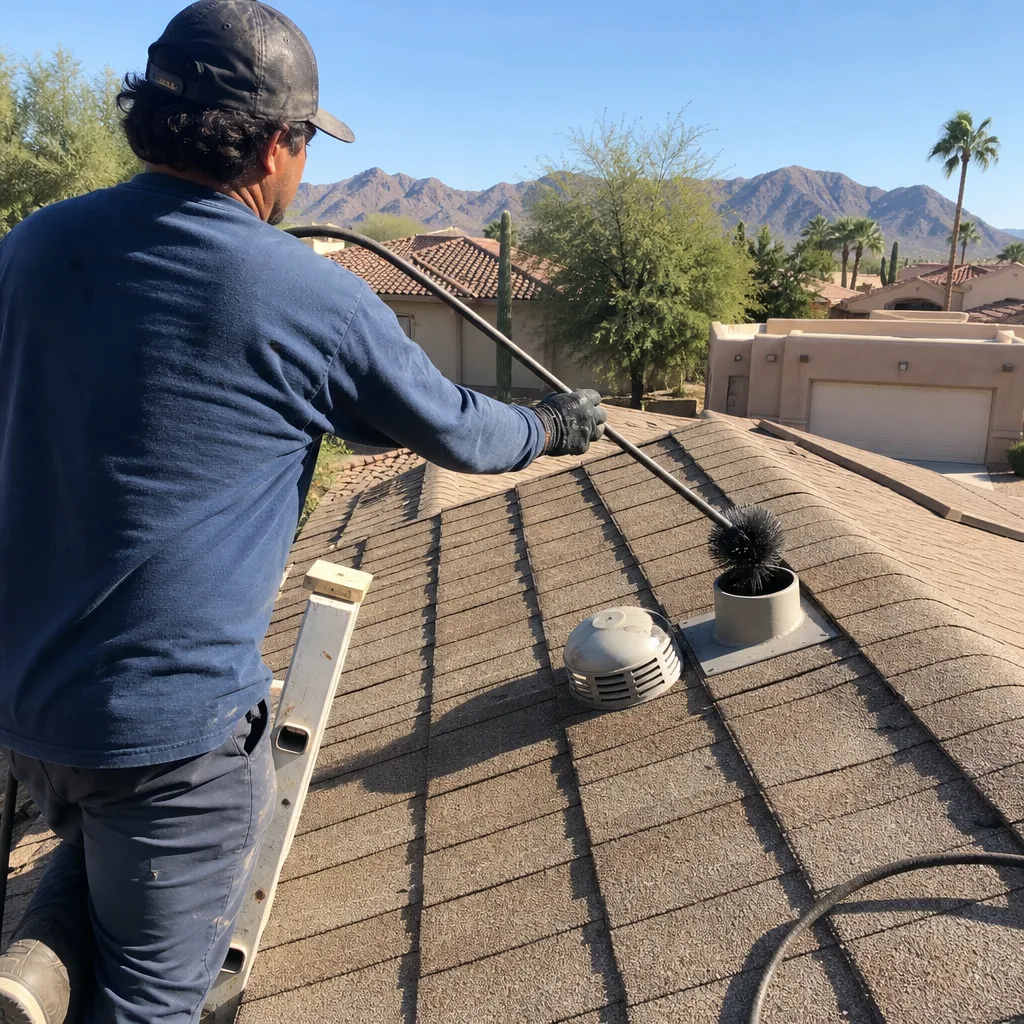
A duct cleaning job produces no visible product. You don’t stand in your living room and admire your cleaned ducts. Without documentation, you’re buying a promise.
Photo documentation converts the promise into a deliverable. Here’s what it costs and why it matters.
The Economics of Documentation
A technician with a borescope camera and tablet adds 20 to 30 minutes to a 12-run job. Image storage, customer portal hosting, and delivery system maintenance add recurring cost. The equipment itself, a professional borescope with adequate resolution for duct wall detail, runs $800 to $2,500.
This overhead explains why documented jobs cost more. It also explains why undocumented jobs are more profitable for the contractor: same price, lower cost, no accountability.
What Proper Documentation Looks Like
- Before image of each duct run, showing debris accumulation on duct walls
- After image of the same run, showing cleaned surface
- Timestamp and run identifier on each image
- Delivery to customer within 24 hours via email or portal
- Inclusion in job record for warranty reference
CleanRun has delivered this on every job since 2013. The photo record is not an upgrade; it’s standard. When a Scottsdale homeowner calls with a concern six months later, we pull the job record and review the images together. The 365-Day Done Right Promise is backed by evidence, not good intentions.
Undocumented jobs create a perverse incentive. If no one can prove what was done, the contractor can skip runs, use weaker equipment, or rush the job. The homeowner has no recourse. The “savings” of a cheaper undocumented job are often illusory.
How to Compare Quotes Apples-to-Apples
Use this checklist to normalize any set of quotes into comparable units.
- Count the duct runs. Ask each contractor how many runs they’ll access. If one quotes 12 and another quotes “all vents,” clarify. A vent is not a run; a single run may serve multiple vents via branch lines.
- Specify the vacuum CFM. Truck-mounted or portable? Manufacturer and model? A quote that says “professional equipment” without specifics is avoiding accountability.
- Confirm register handling. Are registers removed and reseated, or cleaned in place? This single variable changes labor time by 50 percent.
- Request photo documentation terms. How many images, what resolution, how delivered, how long retained?
- Separate base service from add-ons. A quote with one big number tells you nothing. Line items reveal what you’re actually buying.
- Verify the guarantee in writing. What happens if you’re unsatisfied? Who do you call? What’s the timeline? “Satisfaction guaranteed” is not a process.
CleanRun provides a written scope under Haven Standard Clause 1 that answers all six points before work begins. If you have a competitor’s quote, we offer a Free Second Opinion: we put our written scope and price next to theirs, line item by line item, at no cost.
Common Mistakes to Avoid
- Equating low price with value. In Scottsdale’s market, a $199 duct cleaning is a loss leader for upsells or a rushed job with portable equipment. The real cost often appears later in redone work or equipment strain.
- Ignoring monsoon season timing. July through September storms drive fine dust through even sealed homes. Scheduling cleaning in October, after dust season, captures the accumulation rather than cleaning before it arrives.
- Accepting “complete” without definition. Every scope element should be specified in writing. Vague language protects the contractor, not the homeowner.
- Overlooking return ductwork. Return ducts (the large central vents that pull air back to the air handler) accumulate more debris than supply ducts. A quote that only addresses supply registers is incomplete.
- Paying for sanitizer without moisture evidence. In Scottsdale’s dry climate, microbial growth in ducts is rare. Ask for the moisture reading that justifies chemical treatment.
- Skipping the photo record. Documentation is not a luxury add-on. It’s the only proof that work occurred as described. A contractor who won’t photograph their work has something to hide.
- Forgetting the warranty timeline. A 30-day guarantee covers nothing that wouldn’t be immediately obvious. A one-year accountability window, like CleanRun’s 365-Day Done Right Promise, matches the actual timeline for problems to emerge.
When to Call a Professional
Call for a professional assessment when you notice visible dust emission from registers, uneven airflow between rooms, or a persistent musty odor when the system runs. In Scottsdale, new construction homes should be cleaned within the first two years, as construction debris often remains despite builder “cleanouts” that don’t reach past the first elbow.
If your home is in a high-dust area near the McDowell Mountains or has experienced monsoon-driven dust infiltration, schedule an inspection even if the system is relatively new. The debris load from a single severe storm can exceed years of normal accumulation.
CleanRun Air Duct Cleaning Scottsdale offers free estimates in Scottsdale. Every estimate includes a written scope with line-item pricing before any work begins. Call (928) 267-0992 to schedule.
Frequently Asked Questions
Most Scottsdale homeowners pay between $350 and $850 for professional duct cleaning in 2026, depending on home size, duct accessibility, and whether the job includes truck-mounted extraction and photo documentation. A written quote below $300 for a home over 2,000 square feet typically indicates portable equipment and limited scope. Call (928) 267-0992 for an exact quote; estimates are free.
Low quotes usually reflect three shortcuts: portable vacuum equipment instead of truck-mounted negative-pressure systems, no register removal (cleaning only the visible duct opening), and no photo documentation. A $199 job cleans perhaps 20 percent of your duct network in 45 minutes. A proper job accesses every run, removes every register, and documents the result. The price difference is the difference between surface vacuuming and mechanical cleaning.
Demand a photo record of every duct run, before and after, with timestamps. At CleanRun, this is standard on every job, not an upgrade. Without images, you’re trusting a verbal report about invisible work. With images, you can see the debris that was present and the surface that remains. Haven Standard Clause 1 requires written scope before work; the photo record proves that scope was executed.
For most Scottsdale homes, every 3 to 5 years is adequate under normal conditions. New construction should be cleaned within 2 years due to construction debris. Homes with pets, recent remodeling, or located near active construction may need more frequent service. Monsoon seasons add dust load; many Scottsdale homeowners schedule cleaning in October, after dust season ends. We assess each home individually rather than applying a universal schedule.
Duct cleaning addresses the distribution network: the runs, plenums, and registers that move conditioned air. HVAC Cleaning in Scottsdale addresses the mechanical components: evaporator coil, blower assembly, condensate pan, and sometimes the cabinet interior. Both affect system performance but require different access methods and tools. A complete service may include both, but they should be quoted as separate line items with separate prices.
More necessary for dust accumulation, less necessary for moisture-related microbial growth. Scottsdale’s fine desert particulate, especially during spring winds and summer monsoons, infiltrates homes and settles in ductwork. The low humidity means mold is rare, but the dust load is higher than in humid climates. Cleaning frequency should reflect dust accumulation, not a generic national schedule.
A proper quote specifies: number of duct runs to be accessed, vacuum equipment type and CFM rating, register removal and reseating method, agitation tool type, photo documentation terms, total price with all line items, and guarantee terms with contact process. CleanRun provides this under Haven Standard Clause 1 before any work begins. If a contractor won’t put scope in writing, they won’t put accountability in writing either.
The Bottom Line
Duct cleaning pricing in Scottsdale spans from $79 to $900-plus because the word “complete” has no standard definition. The only reliable way to evaluate a quote is to translate each line item into mechanical reality: how many runs, what equipment, what documentation, what accountability. A documented job with truck-mounted negative-pressure extraction, register removal, and a one-year guarantee costs more upfront and less over time than a cheap job that must be redone or that strains your HVAC system.
CleanRun has operated under this principle since 2013: written price before work, photo record after, and the 365-Day Done Right Promise in between. No coupons, no urgency, no undocumented claims.
Written by Tomas Reyes, Owner at CleanRun Air Duct Cleaning Scottsdale, serving Scottsdale since 2013.