
Last updated September 23, 2026
Whole-system duct and dryer vent check with before-and-after photos - you see exactly what came out of your vents
That "$99 whole-house special" is a bait ad - the real number appears once they are in your hallway, or the "clean" is a shop-vac at the register. We photograph the inside of your ducts before and after instead.
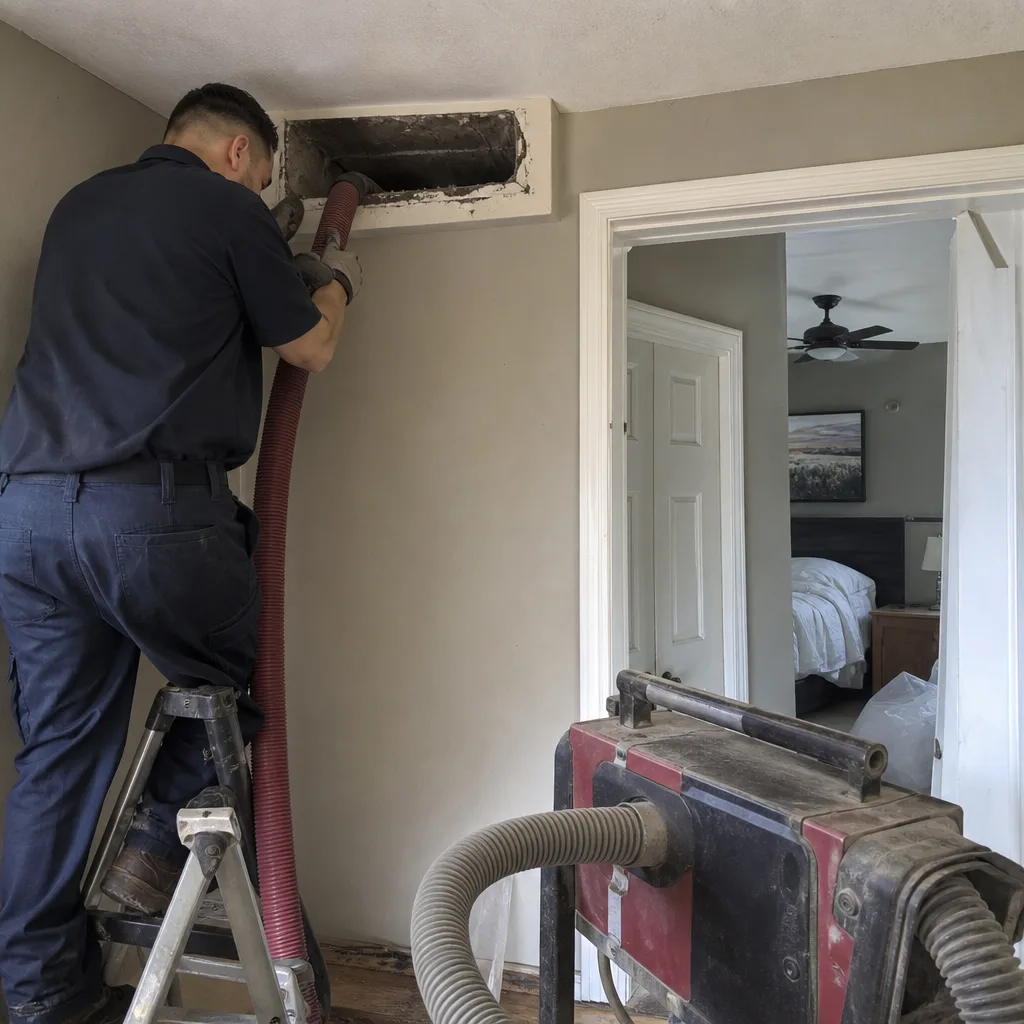 Before
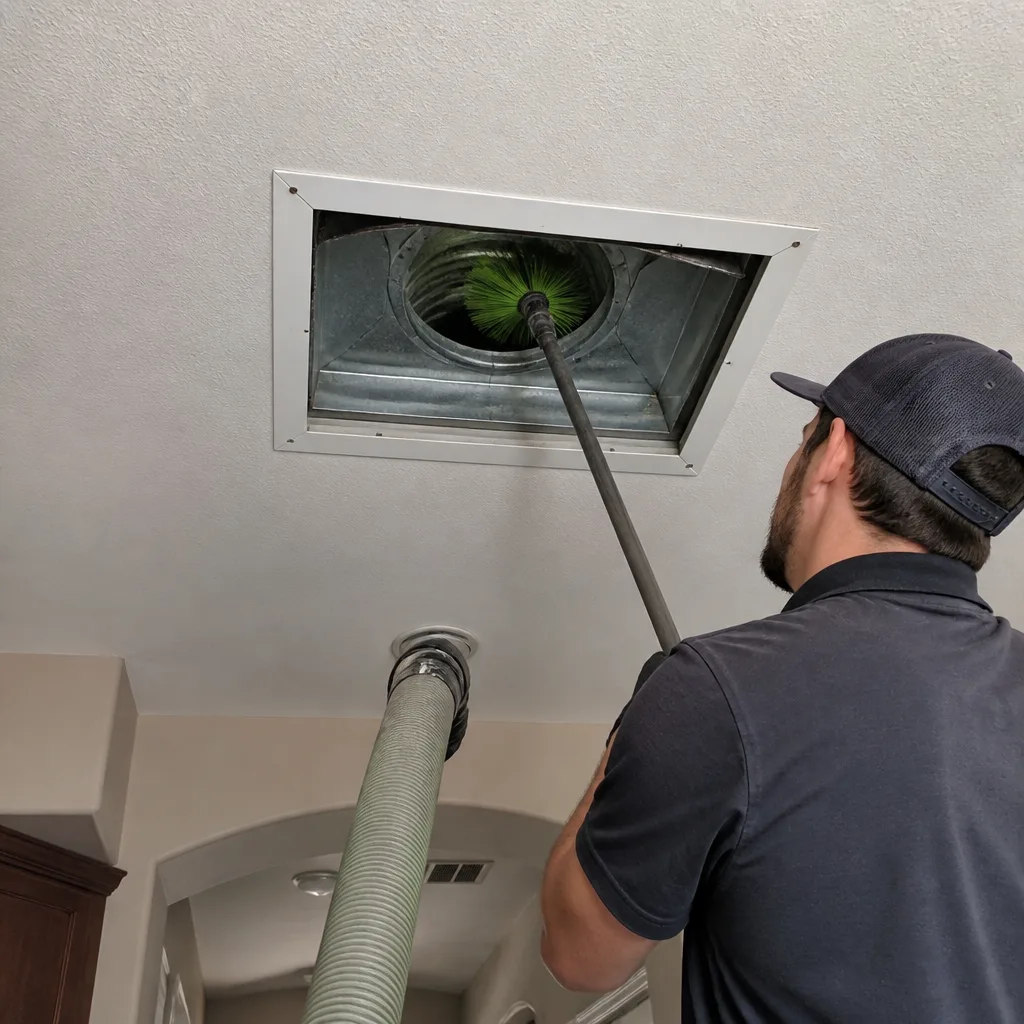 After
After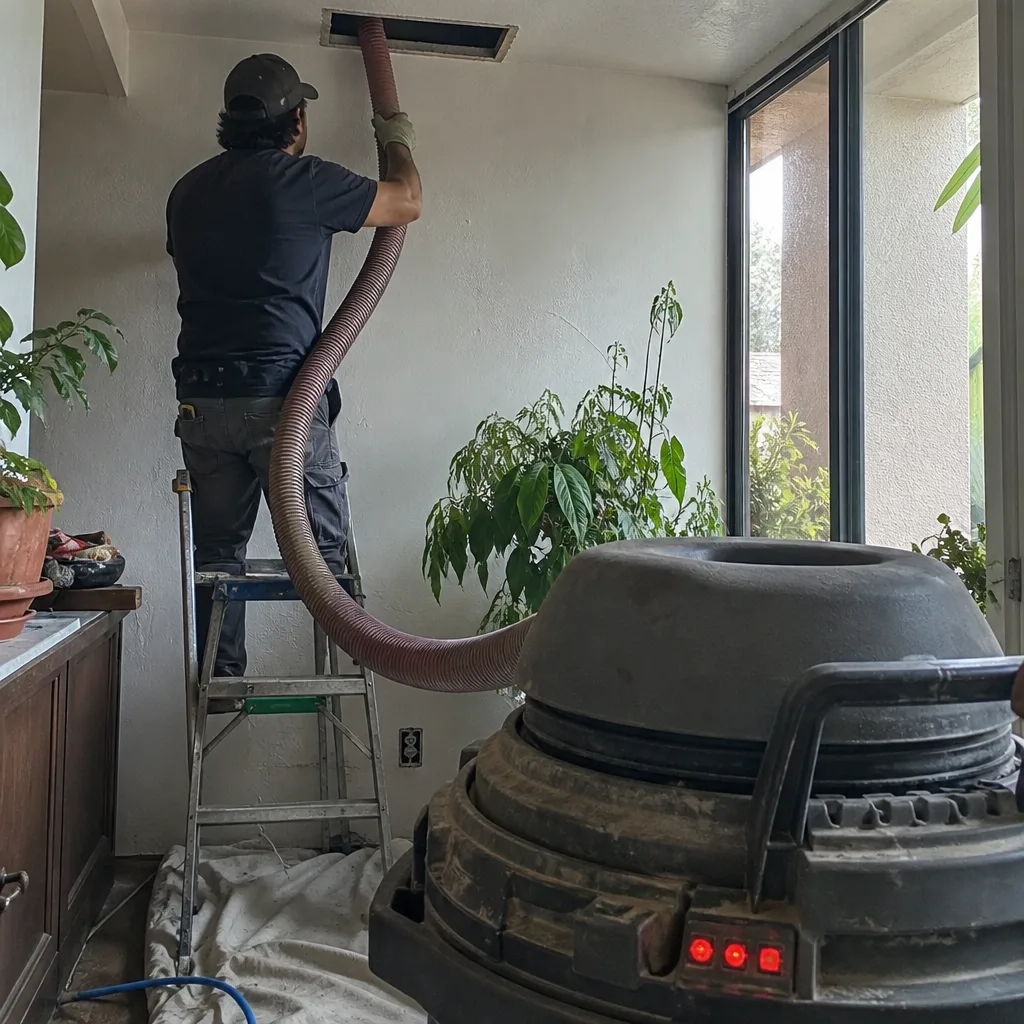 Before
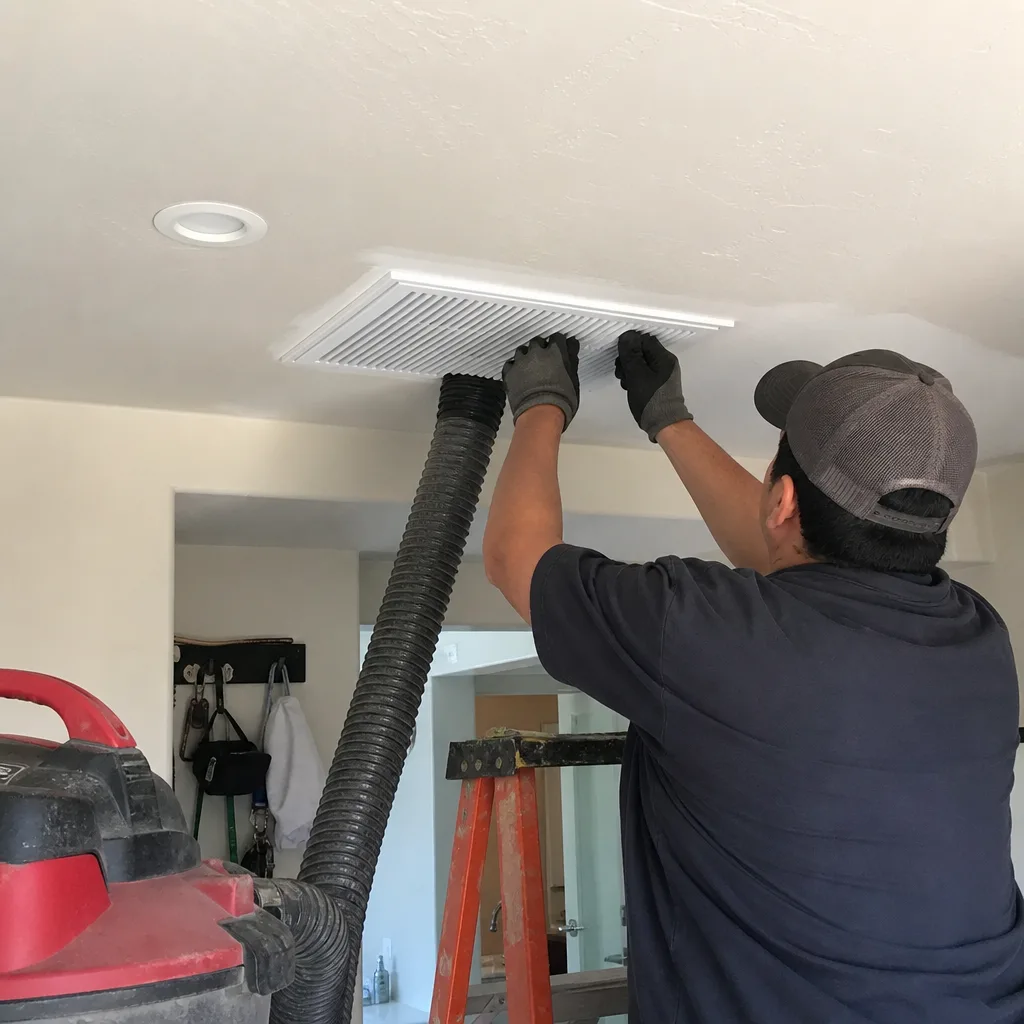 After
After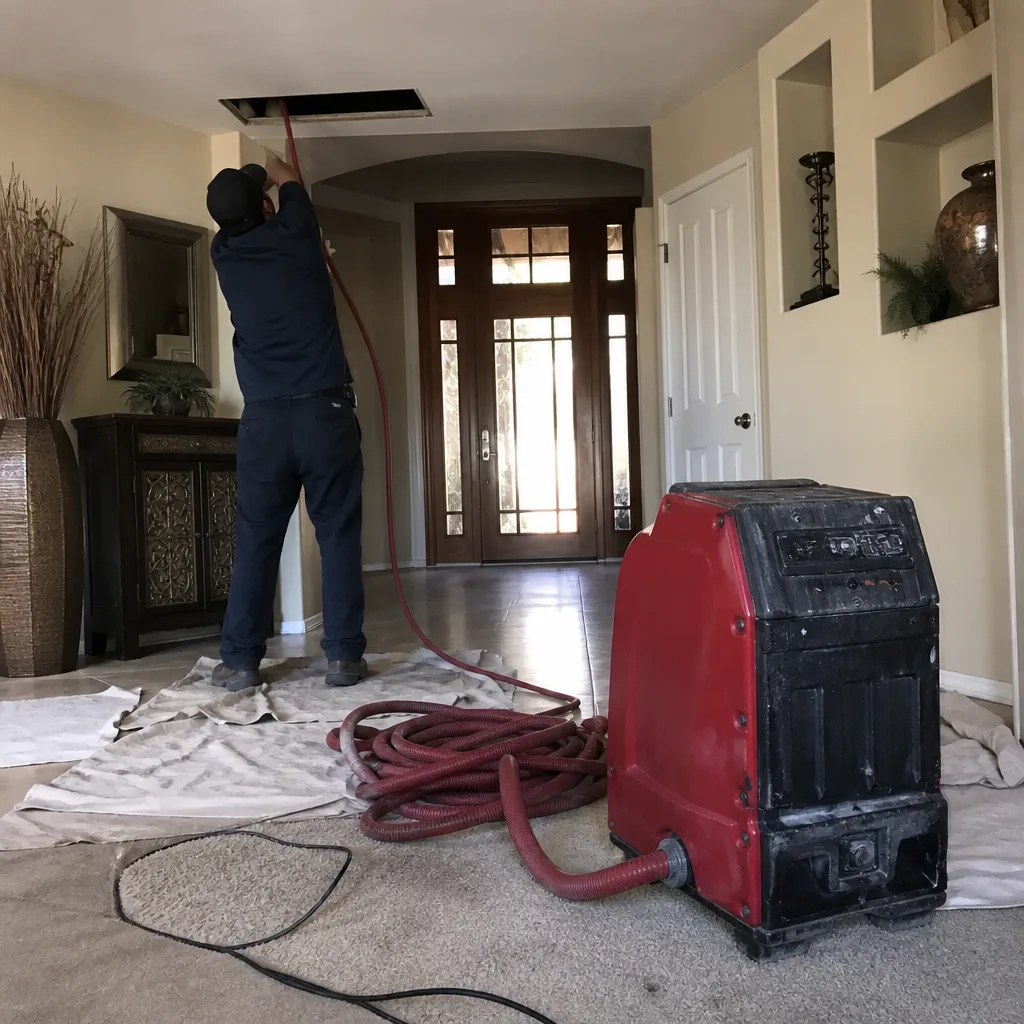 Before
 After
AfterThe Complete Guide to Air Duct Cleaning in Scottsdale
A technician pulling a return-air grille in a 2005 Scottsdale tract home found a 3/4-inch compacted layer of caliche-laced dust on the duct floor. The homeowner had replaced their air filters every 90 days for six years. Filters stop what passes through them; they don’t clean what’s already downstream. In this guide, we’ll show you what actually accumulates inside Valley ductwork, how to read a legitimate before-and-after photo record, and what written pricing should look like for a Scottsdale home - so you can tell our Air Duct Cleaning services apart from vacuum noise.
Quick Answer
Professional air duct cleaning in Scottsdale costs $450-$850 for a typical 2,000-square-foot home with 12-18 registers, performed with negative-pressure extraction equipment that meets NADCA ACR standards. The process takes 3-5 hours and should include a written price before work starts, a documented photo record of every duct run, and a clear warranty. In Scottsdale’s desert climate, legitimate cleaning addresses caliche dust, pest debris from seasonal invasions, and insulation fragments from attic heat degradation - contaminants that standard household vacuums cannot remove. For related reading, see our DIY vs Professional Air Duct Cleaning: The Scottsdale Homeowner’s Decision Guide.
Table of Contents
- What Actually Accumulates in Scottsdale Ducts
- How to Read a Before-and-After Photo Record
- The NADCA ACR Standard Explained
- Written Pricing Structure for Scottsdale Homes
- When Attic Heat Damages Ducts Beyond Cleaning
- What Happens During a Professional Cleaning
- Common Mistakes to Avoid
- When to Call a Professional
- Frequently Asked Questions
- The Bottom Line
BeforeAfterWhat Actually Accumulates in Scottsdale Ducts
Most duct cleaning marketing shows generic gray lint. In Scottsdale, what we photograph inside duct runs looks different, and the difference matters for how the job gets priced and performed.
Caliche Dust: The Valley Signature
Caliche is calcium carbonate-cemented soil common across the Sonoran Desert. When Scottsdale gets its seasonal dust storms - particularly the haboobs that roll through in July and August - this fine, pale material infiltrates homes through every gap in the envelope. It settles in return ducts, where the camera shows a uniform, almost flour-like layer, off-white to light tan, often 1/4 to 3/4 inch deep at the low points where duct runs flatten before rising to the plenum.
The texture is the key identifier. Standard household lint is fibrous and clumps. Caliche dust is mineral, dense, and compacts into a crust that resists standard household vacuum suction. In our work across Scottsdale neighborhoods from McCormick Ranch to DC Ranch, we’ve pulled compacted caliche layers that required rotary brush agitation with Nikro equipment before negative-pressure extraction could lift them.
Pest Debris from Seasonal Invasions
Scottsdale’s temperature swings drive rodents and insects into attics and wall cavities from October through March. The evidence appears in supply ducts as fragmented organic material - seed hulls, droppings, shed exoskeletons - often concentrated near penetrations where flexible duct connects to hard pipe. The color varies by species: dark, granular clusters for roof rat activity; lighter, chaff-like debris for pack rat nests; fine, almost sandy material for cricket or cockroach harborage.
Location patterns matter. Pest debris in a single duct run near a roof penetration suggests an active entry point that cleaning alone won’t solve. Debris distributed across multiple supply lines on one side of the house often indicates a compromised attic seal or deteriorated flex duct that rodents have chewed through.
Insulation Fragments from Heat-Degraded Flex Duct
Scottsdale attics regularly exceed 140°F from May through September. Flexible duct liner - the fiberglass insulation bonded to the inner wall - degrades under sustained heat exposure. The camera shows this as a distinctive fuzzy, pink or yellow coating on the duct interior, sometimes with visible chunks of liner material that have detached and collected at elbows or reducers.
This is not contamination that arrived from outside. It is the duct itself breaking down. Cleaning removes the loose material, but the underlying liner continues to degrade. In our photo records from Scottsdale homes built between 2005 and 2015, we flag this condition separately from accumulated debris and recommend duct repair or replacement under Haven Standard Clause 2: Scope Transparency.
How to Read a Before-and-After Photo Record
The photo record is where bait-and-switch operations are exposed. A legitimate documented record from a Scottsdale duct cleaning should contain specific elements that a customer can verify without technical knowledge.
What the Record Must Include
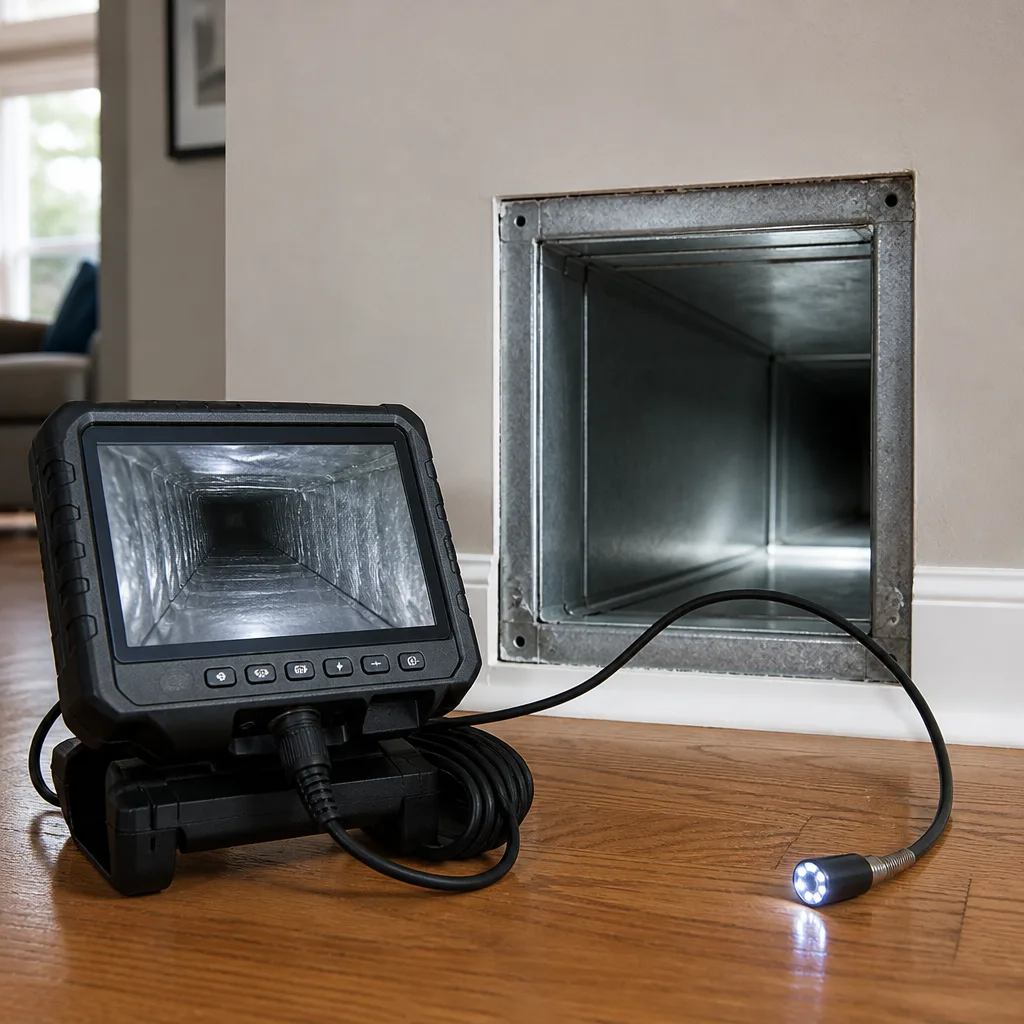
- Register count and location identifiers. Each photo should show a numbered or room-labeled register, so you can confirm every opening was accessed. A record with three “before” photos and no room labels may represent only a partial cleaning.
- Duct run identifiers. The photo should show enough of the duct interior to identify whether this is a return trunk, supply branch, or main line. Different duct types require different cleaning approaches.
- Brush or vacuum evidence. In the “after” photo, you should see tool marks - rotary brush patterns, vacuum hose insertion points, or agitation evidence - not just a generally cleaner surface. This proves mechanical action occurred, not just air blowing.
- Blower door or air handler access documentation. The photo record should include images of the blower compartment, evaporator coil access, and filter slot. These are required access points for a complete cleaning under NADCA ACR standards.
- Timestamp or sequence indicators. The record should show logical progression: blower compartment, then trunk lines, then branch ducts, then registers. Random photos with no sequence may be stock images or from a different job entirely.
At CleanRun, our Documented Photo Record on Every Visit includes all five elements, delivered as a standard job record - not an upsell, not an afterthought. We’ve held this practice since our first job in 2013 because it is the only way a customer can verify that negative-pressure extraction actually occurred inside every duct run.
Red Flags in Competitor Photo Records
- Only register surface photos, no duct interior images
- “Before” and “after” photos that appear to be from different rooms (different wall colors, different flooring)
- No evidence of blower compartment or air handler access
- Photos with no timestamps, sequence numbers, or job identifiers
- Images that show only a vacuum hose near a register, not inside the duct
The NADCA ACR Standard Explained
NADCA, the National Air Duct Cleaners Association, publishes the Assessment, Cleaning, and Restoration of HVAC Systems standard - ACR for short. It is the only industry-recognized benchmark for mechanical cleaning of ductwork. Understanding what it requires protects you from operators who attach a shop-vac to one register and call the job done.
What “Source Removal” Means Mechanically
The ACR standard defines source removal as the mechanical dislodgement and extraction of contaminants from the HVAC system. This is a two-part requirement: dislodgement and extraction. A vacuum alone does not dislodge. A brush alone does not extract. The standard requires both actions, performed with equipment designed for the purpose.
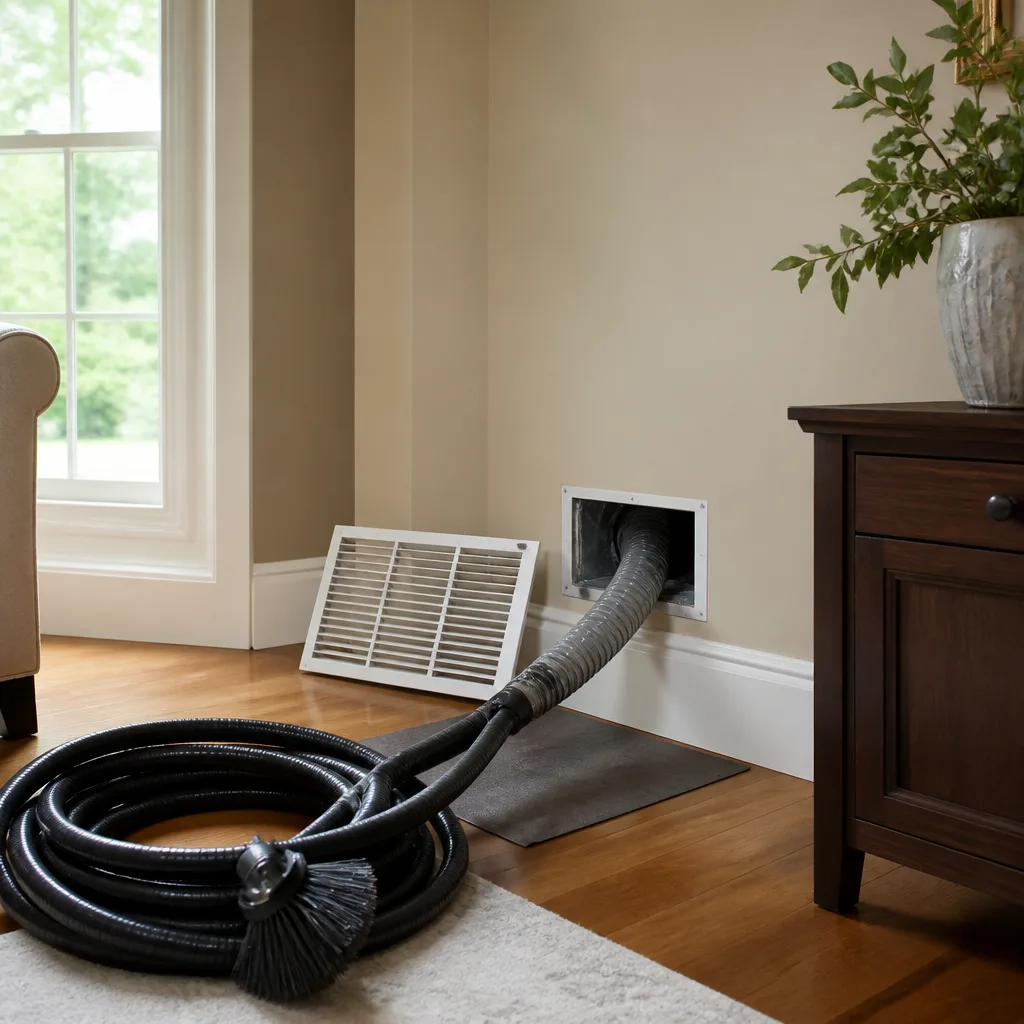
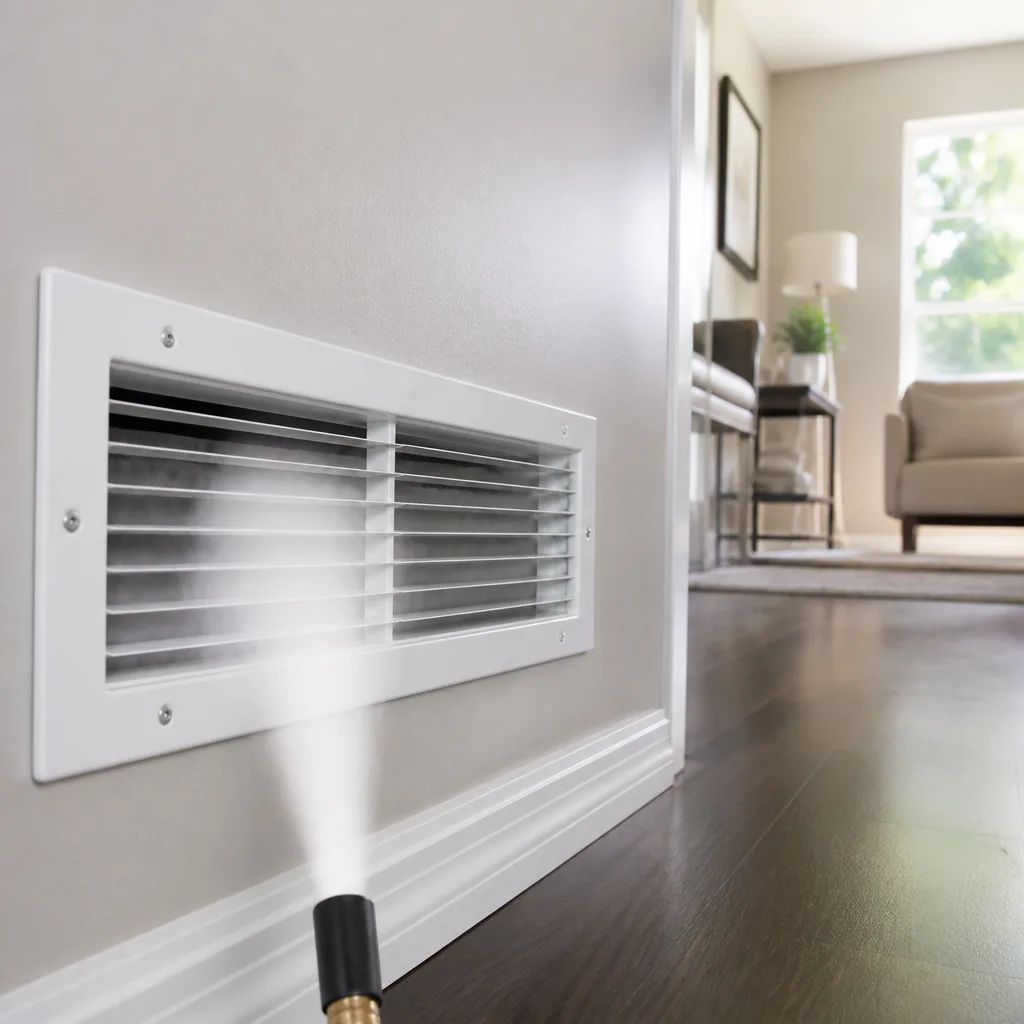
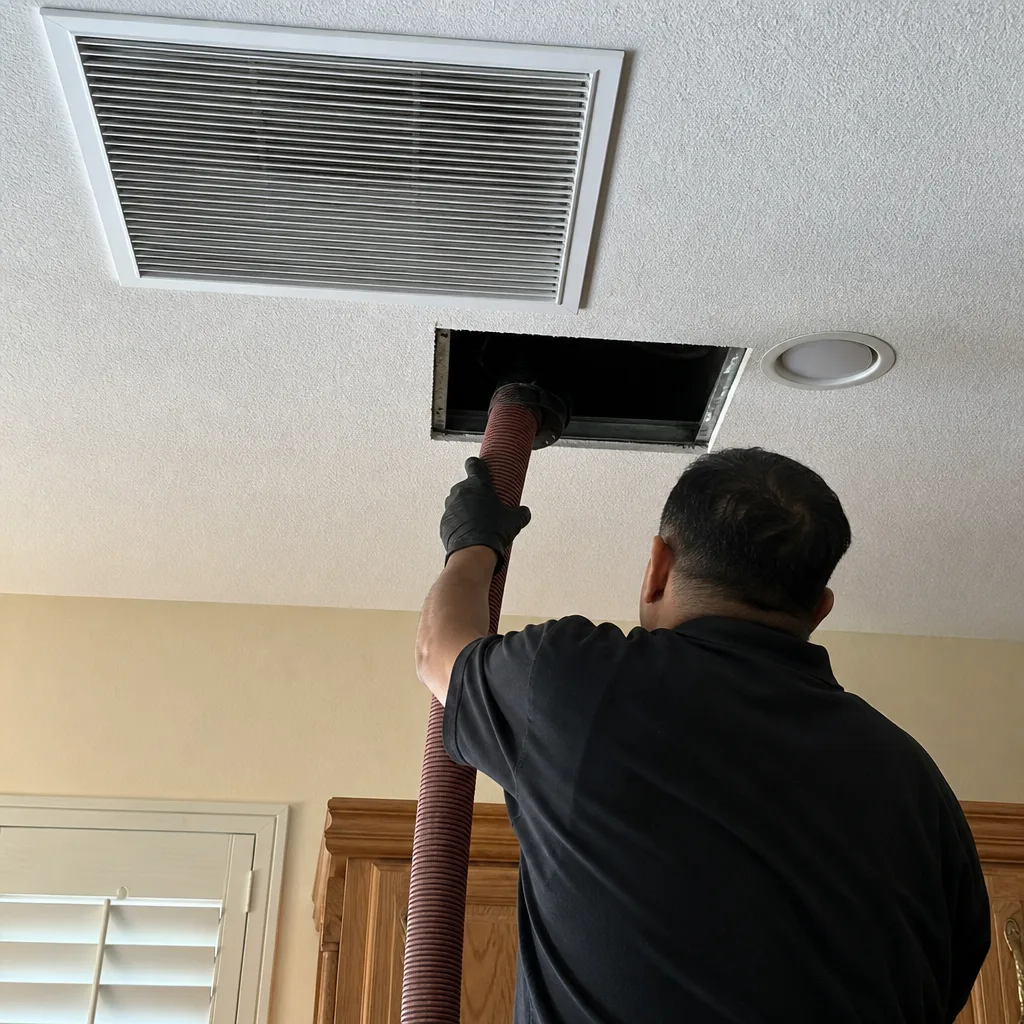
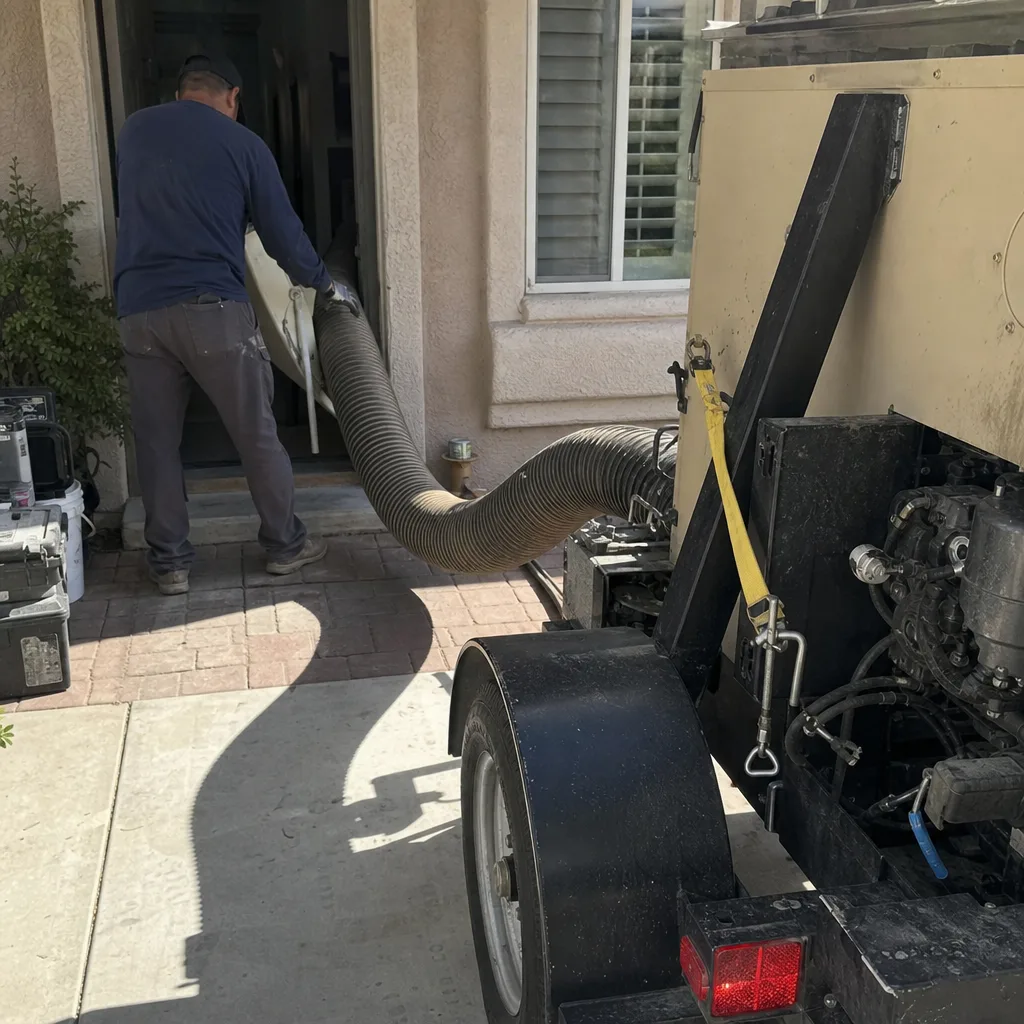
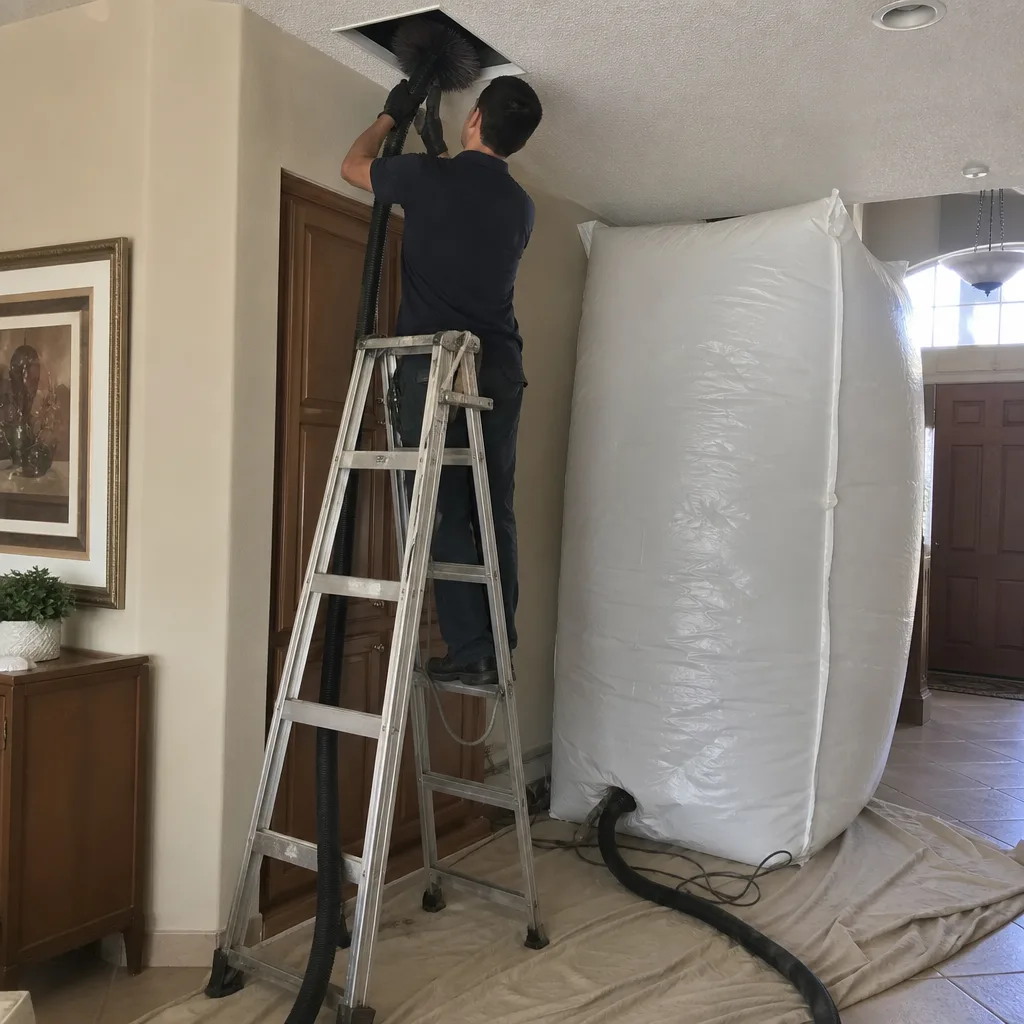
Professional-grade negative-pressure extraction systems - such as those manufactured by Abatement Technologies and deployed by CleanRun technicians - create a controlled vacuum throughout the duct network while rotary brushes or compressed-air whips agitate interior surfaces. The vacuum captures dislodged material at the source, preventing redistribution into the living space. This is fundamentally different from a portable vacuum with a long hose pushed into a single register.
Why One-Register Access Fails the Standard
A shop-vac or portable vacuum connected to one register opening creates localized suction only. It does not establish negative pressure across the duct network. Contaminants in distant branch lines, trunk ducts, or the plenum remain undisturbed. The ACR standard specifically requires access to multiple points - supply and return sides, trunk and branch lines, blower compartment - to achieve complete system cleaning.
In Scottsdale’s climate, this distinction is particularly consequential. Caliche dust compacts densely and requires sustained agitation plus network-wide extraction. A localized vacuum will pull surface material from the first few feet of duct and leave compacted layers intact downstream.
Verification Questions to Ask Any Provider
- Does your equipment create negative pressure throughout the entire duct system, or only at the access point?
- How many access points will you create - and will you photograph each one?
- Do you clean the blower compartment, evaporator coil, and filter slot as part of the standard scope?
- What is your mechanical agitation method: rotary brush, compressed air, or both?
- Can you provide a written scope referencing NADCA ACR compliance before work begins?
CleanRun’s written scope, delivered under Haven Standard Clause 1, specifies the equipment to be used - typically Rotobrush or Nikro rotary systems paired with Abatement Technologies negative-pressure collectors - and the access points to be created. The customer knows the mechanical method before any panel comes off.
Written Pricing Structure for Scottsdale Homes
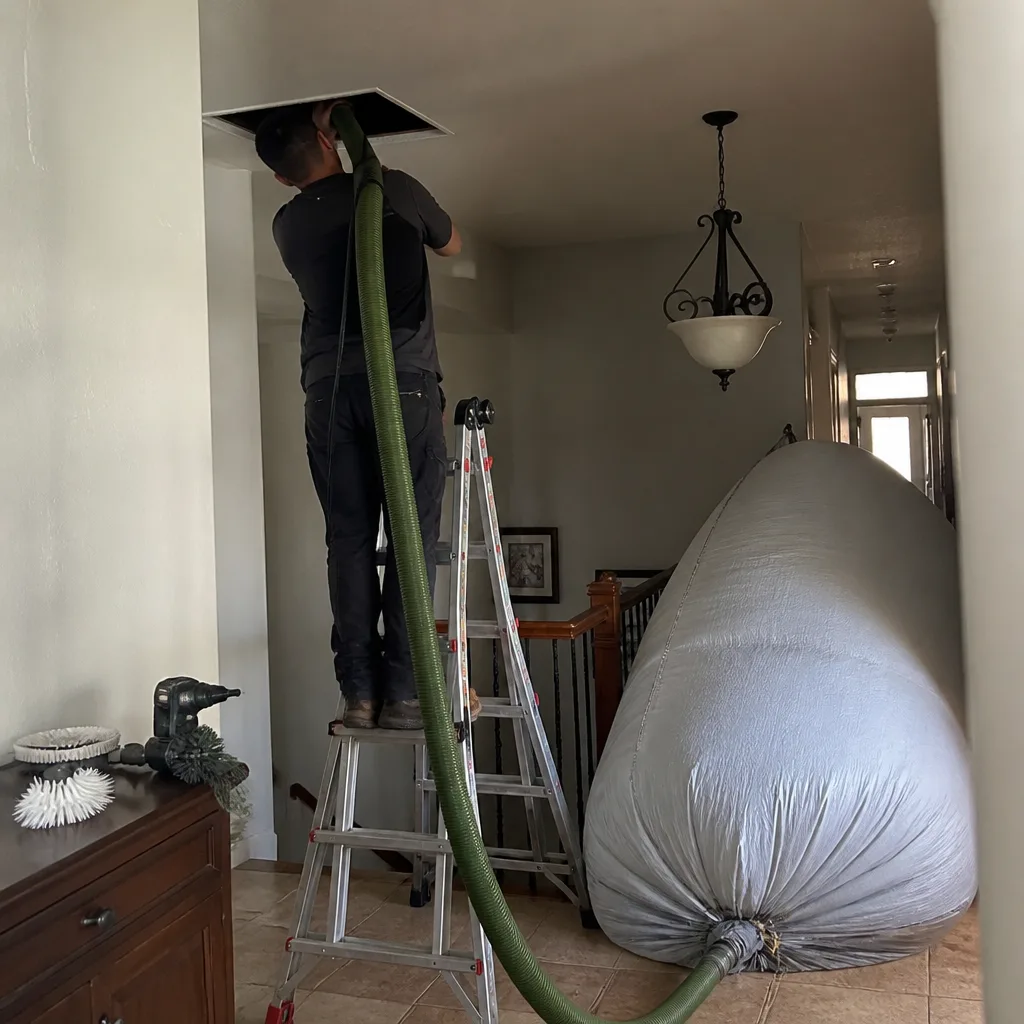
Air duct cleaning pricing in Scottsdale varies by system size, accessibility, and condition - but the structure should never vary. A legitimate quote is line-itemed, written, and delivered before work starts. The $79 coupon model survives by converting that number on arrival. Here is what actual pricing looks like for the Scottsdale market.
Base Pricing by Home Size and Register Count
| Home Size | Register Count | Typical Range | Notes |
|---|---|---|---|
| 1,200-1,600 sq ft | 8-12 | $350-$550 | Single system, accessible attic or crawl |
| 1,800-2,400 sq ft | 12-18 | $450-$750 | Most common Scottsdale range |
| 2,600-3,500 sq ft | 18-26 | $650-$950 | May include dual-zone system |
| 3,500+ sq ft | 26+ | $850-$1,400 | Custom homes, multiple air handlers |
These ranges reflect negative-pressure extraction with rotary brush agitation, full system access, and documented photo record included. They assume standard flex duct or hard pipe in accessible attic space.
Legitimate Add-Ons
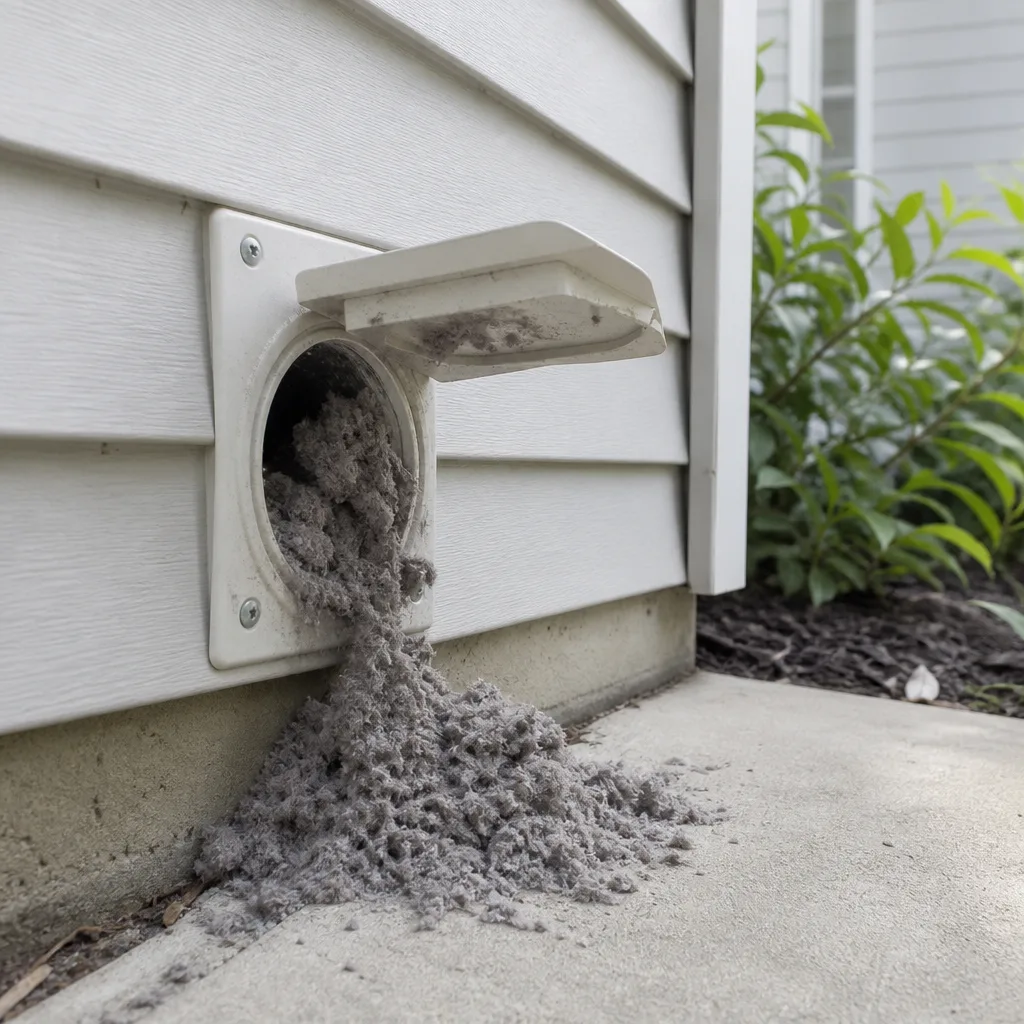
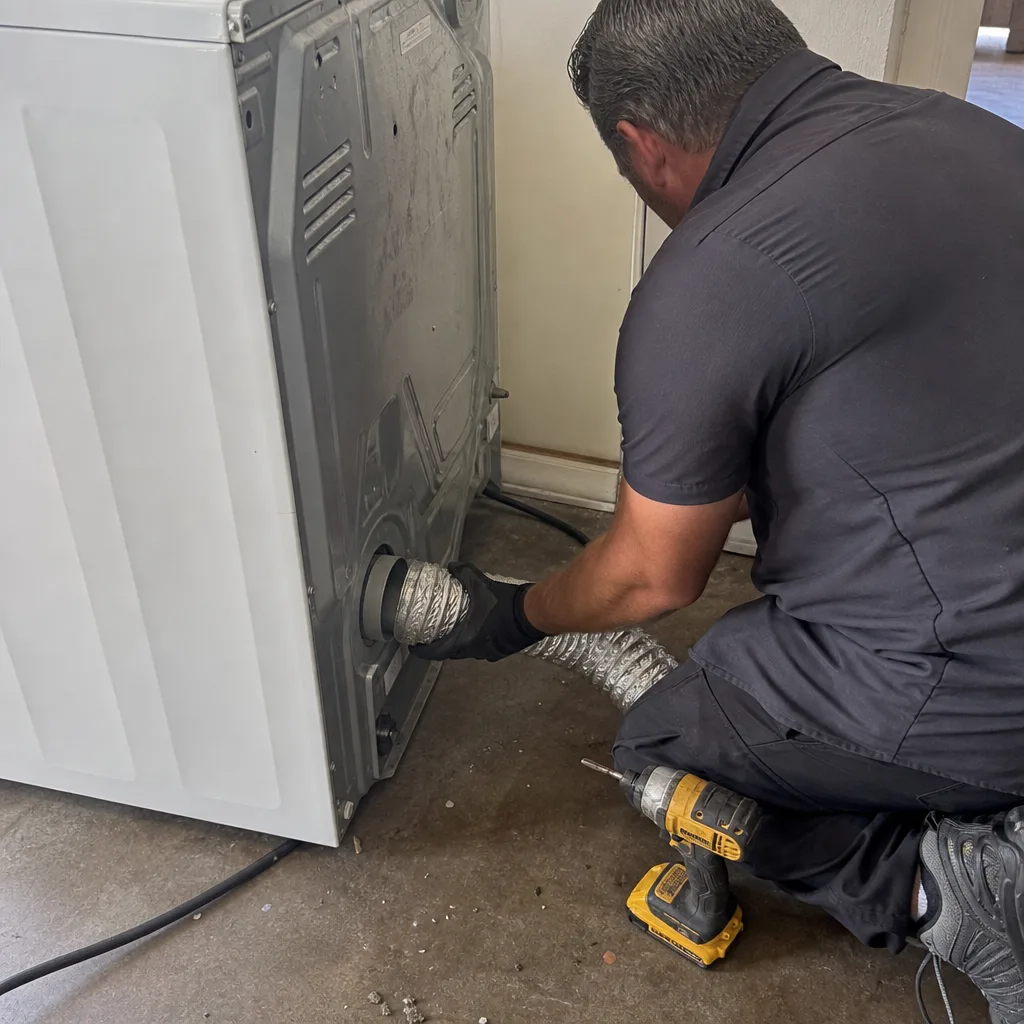
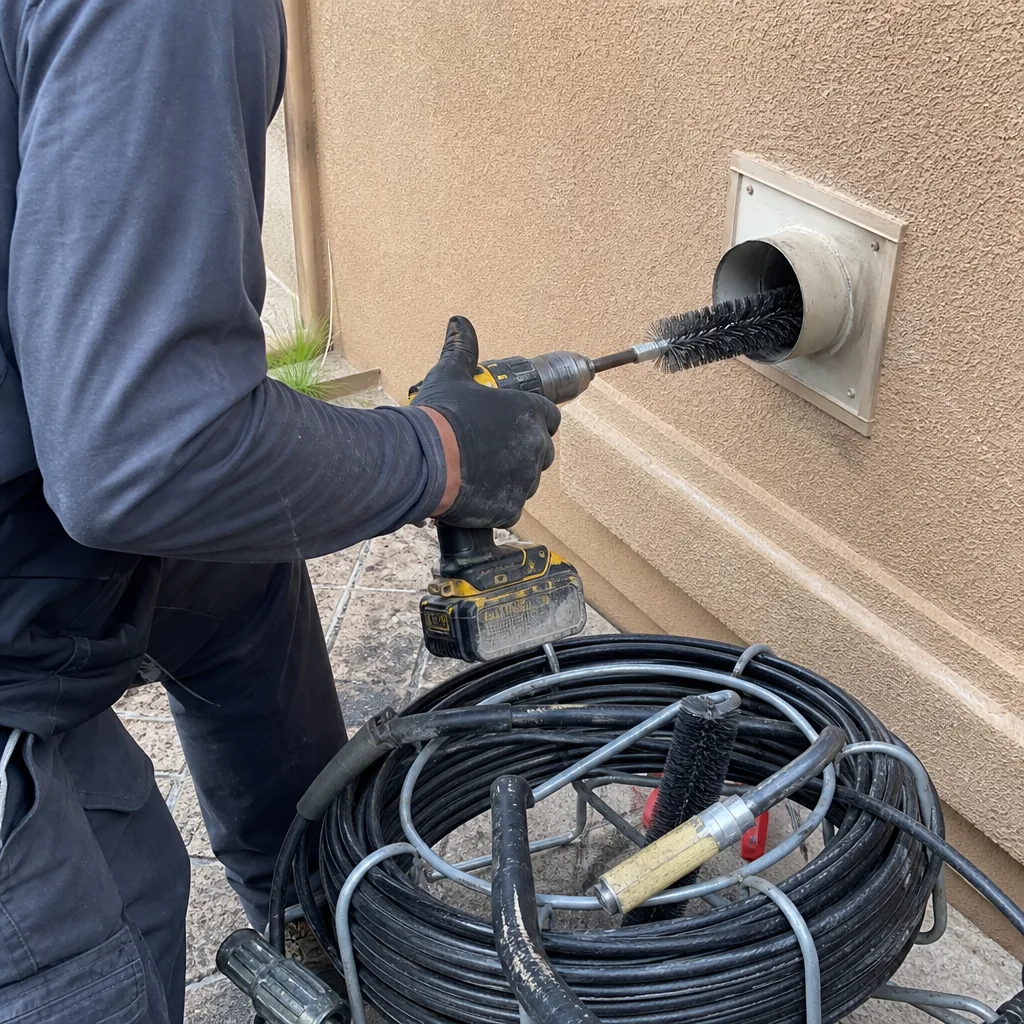
- Dryer vent cleaning: $120-$180 when performed with duct cleaning; Dryer Vent Cleaning in Scottsdale addresses a separate fire-safety hazard and requires distinct equipment.
- Evaporator coil cleaning: $150-$250 - accessible only after blower compartment disassembly, this is a separate mechanical process from duct cleaning.
- Duct repair or sealing: Priced per linear foot or per joint - Air Duct Cleaning in Scottsdale identifies degraded flex duct that requires replacement rather than cleaning.
- Air quality treatment: Application of EPA-registered sanitizers - Honeywell or Aprilaire whole-home systems - where biological contamination is documented.
Bait-and-Switch Signals
Any quote that arrives as a single number with no scope description should be treated as incomplete. Specific red flags in the Scottsdale market include:
- Per-vent pricing that converts to a much higher total on arrival
- “Free inspection” that becomes a mandatory charge
- Pressure to add services not mentioned in the original quote
- Refusal to provide written scope before equipment is unloaded
- Quotes significantly below $300 for any home with more than 8 registers - insufficient to cover labor, equipment, and proper disposal for legitimate negative-pressure extraction
CleanRun’s Haven Standard Clause 1 requires a written price before any work starts - no exceptions. We also offer a Free Second Opinion on any written estimate: bring a competitor’s quote, and we will put our line-itemed scope next to it in writing.
When Attic Heat Damages Ducts Beyond Cleaning
Scottsdale’s attic temperatures create a contamination source that cleaning alone cannot resolve. Understanding this condition saves homeowners from paying for a service that will not solve their problem.
How Heat Degrades Flexible Duct
Flexible duct consists of a wire-reinforced plastic inner liner, a fiberglass insulation layer, and a vapor barrier outer jacket. The inner liner is rated for sustained temperatures typically between 140°F and 180°F, depending on manufacturer. Scottsdale attics regularly exceed these thresholds from late May through September, particularly in homes with dark roofing, inadequate ventilation, or west-facing exposure.
The degradation sequence is visible on camera. Early stage: the inner liner develops a powdery surface, and insulation fibers begin to shed. Intermediate stage: the liner cracks or delaminates, exposing loose fiberglass to the airstream. Advanced stage: sections of liner detach entirely, creating airflow restrictions and dumping insulation fragments into supply registers.
Cleaning vs. Replacement: The Decision Point
When our photo record shows early-stage degradation - surface powdering without structural damage - cleaning plus sealing may be appropriate. We document the condition, clean the accessible material, and recommend periodic re-inspection.
Intermediate and advanced degradation requires repair or replacement. Cleaning removes the symptom - loose material in the airstream - but the underlying liner continues to fail. In Scottsdale homes built during the 2003-2007 construction boom, we encounter this condition frequently in attic runs longer than 20 feet, where heat buildup is most severe.
The repair scope is line-itemed separately from cleaning in our written quotes. Haven Standard Clause 2: Scope Transparency prohibits presenting repair work as part of a “cleaning package” without explicit documentation of the separate condition and separate price.
Neighborhood Patterns in Scottsdale
In our experience across Scottsdale, certain construction periods and styles show predictable patterns. Tract homes in North Scottsdale built 2004-2008 often have long attic runs with minimal insulation wrap. Custom homes in Paradise Valley with complex rooflines may have ductwork in unconditioned chase spaces that exceed attic temperatures. Older homes in Old Town Scottsdale with retrofitted HVAC may have mixed duct materials - hard pipe transitions to flex duct of varying age - creating junction points where degradation concentrates.
What Happens During a Professional Cleaning
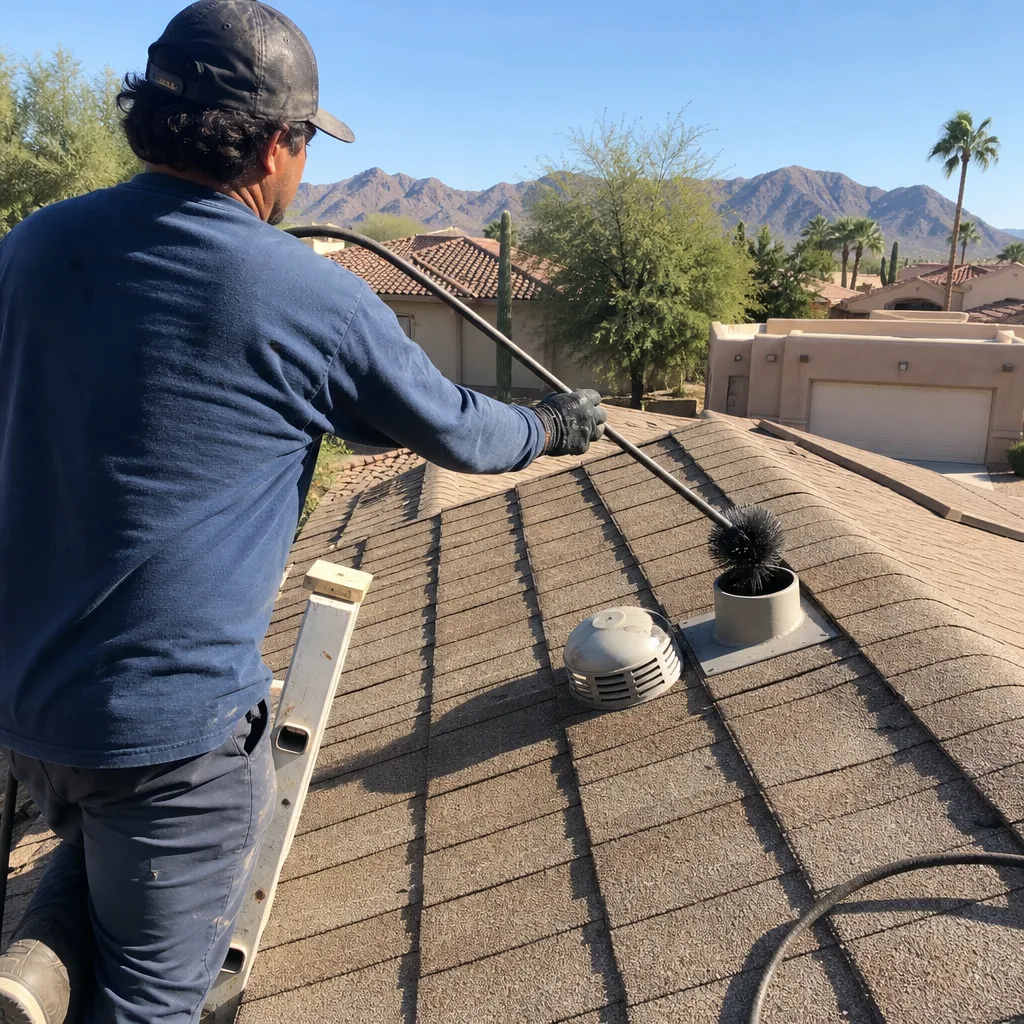
Understanding the sequence of a legitimate cleaning helps you evaluate what actually occurs in your home. This is the process CleanRun technicians follow on every job, documented at each stage.
Pre-Work: Written Scope and System Assessment
- Written price confirmation. Before equipment enters the home, the technician reviews the written scope with the homeowner, confirming register count, system configuration, and any access limitations.
- System photography. The initial photo record documents the air handler location, filter condition, and visible duct configuration.
- Register inventory. Each register is numbered and photographed in place before removal.
Mechanical Cleaning Sequence
- Blower compartment access. The blower assembly is removed or accessed for direct cleaning. This is mandatory under ACR standards - the blower is part of the air circulation system, not separate from it.
- Return side cleaning. The return trunk and branch lines are accessed at multiple points. Rotary brush agitation with simultaneous negative-pressure extraction dislodges and captures accumulated material.
- Supply side cleaning. Each supply branch is accessed from the register end and, where possible, from trunk junctions. The camera documents brush passage and post-cleaning condition.
- Register and grille cleaning. Removed registers are cleaned externally and reinstalled. Grille surfaces are wiped and photographed.
- Final system photography. The “after” record is captured with matching angles and identifiers to the “before” images.
Post-Work Documentation
The homeowner receives the complete photo record, the written scope with technician signatures, and the 365-Day Done Right Promise documentation. In Scottsdale, where seasonal dust accumulation resumes immediately after cleaning, this record establishes the baseline for evaluating future maintenance needs.
Typical duration for a 2,000-square-foot Scottsdale home with 14 registers: 3.5 to 4.5 hours. Shorter durations suggest incomplete system access or absence of mechanical agitation.
Common Mistakes to Avoid
- Booking based on coupon price alone. The $79 Scottsdale duct cleaning special converts to $600+ on arrival through per-vent upsells and mandatory “sanitizing” charges. Written total pricing before work starts is the only protection.
- Ignoring flex duct degradation. Cleaning a duct with failing inner liner wastes money and may accelerate material shedding. The photo record should distinguish cleanable accumulation from structural failure.
- Skipping the blower compartment. A provider who cleans only registers and visible duct openings misses the primary contamination source. The blower wheel and housing collect more debris than branch lines in many Scottsdale systems.
- Accepting verbal scope descriptions. “We’ll clean everything” means nothing. The written scope should specify register count, access points, equipment type, and mechanical method.
- Neglecting dryer vent cleaning in the same visit. Scottsdale’s lint accumulation rate is high due to dust infiltration. Combining Dryer Vent Cleaning in Scottsdale with duct cleaning saves access labor and addresses a documented fire hazard.
- Assuming new construction is clean. Post-construction duct contamination in Scottsdale includes drywall dust, insulation overspray, and construction debris that standard filters do not capture. New homeowners should request pre-occupancy cleaning with photo documentation.
- Waiting for visible register dust. By the time dust is visible at supply registers, contamination has already restricted airflow and loaded the blower. Schedule cleaning based on system age and construction period, not visible symptoms.
When to Call a Professional
Call a professional when your home was built before 2015 and has never had documented duct cleaning with photo evidence; when you observe degraded flex duct material at registers; when airflow is noticeably uneven between rooms; or when you’ve recently completed renovation work that generated dust. In Scottsdale’s climate, homes with dark roofing, minimal attic insulation, or west-facing exposure should be evaluated for heat-related duct degradation even if no contamination symptoms are present.
CleanRun Air Duct Cleaning Scottsdale offers free estimates in Scottsdale - call (928) 267-0992. Every estimate includes a written scope with line-itemed pricing, equipment specification, and photo documentation requirements. There is no charge for the estimate, and no obligation to schedule.
Frequently Asked Questions
For a typical Scottsdale home between 1,800 and 2,400 square feet with 12-18 registers, professional air duct cleaning with negative-pressure extraction and documented photo record ranges from $450 to $750. Larger homes or those with multiple systems range higher; smaller homes or simpler configurations may fall below this band. Call (928) 267-0992 for a written estimate specific to your home - estimates are free.
Low quotes typically exclude required elements of legitimate cleaning: blower compartment access, multiple system access points, mechanical agitation, or proper disposal. The $79-$149 price point in the Scottsdale market universally converts to a higher invoice on arrival, or represents a vacuum-only service that does not meet NADCA ACR standards for source removal. A written scope with equipment specifications reveals what is actually included.
Demand a documented photo record with register identifiers, duct run labels, timestamp or sequence evidence, and visible tool marks in “after” images. At CleanRun, the Documented Photo Record on Every Visit is standard and delivered as part of the job record - not an extra charge. If a provider cannot or will not produce this documentation, the work cannot be verified.
Most Scottsdale homes benefit from cleaning every 5-7 years under normal occupancy. Homes with pets, recent construction, or located near active construction or desert open space may need more frequent service. The specific interval depends on filter quality, HVAC runtime hours, and documented contamination levels from the previous cleaning. The photo record from your first documented cleaning establishes the baseline for timing subsequent service.
Verify state licensing, published insurance and bonding status, background-checked technician policies, and equipment specifications you can independently research. CleanRun operates under the H.A.V.E.N. Standard with background-checked, uniformed technicians identified by name before arrival. Our equipment roster includes Rotobrush, Nikro, Abatement Technologies, Honeywell, Aprilaire, and Guardsman - brands customers can verify independently. We do not claim certifications or ratings we cannot produce on request.
Documented cleaning removes accumulated particulate from the distribution system, which can reduce airborne dust load and blower motor strain. It does not cure underlying HVAC problems, replace filtration, or address source contaminants like outdoor dust infiltration. In Scottsdale, where caliche dust is pervasive, cleaning is one component of an overall air quality strategy that includes proper filtration, envelope sealing, and - where indicated - whole-home air treatment with Aprilaire or Honeywell systems. Explore more guides & resources on maintaining healthy indoor air.
The Bottom Line
Air duct cleaning in Scottsdale is not a commodity service. The desert climate, attic heat exposure, and specific contaminants found in Valley ductwork require equipment and methods that differ from generic national marketing. A legitimate job is defined by documentation - written price before work, photo record after - not by coupon price or speed of completion. The 365-Day Done Right Promise exists because accountability, not urgency, is what separates documented work from vacuum noise.
CleanRun Air Duct Cleaning Scottsdale home | HVAC Cleaning in Scottsdale
Written by Tomas Reyes, Owner at CleanRun Air Duct Cleaning Scottsdale, serving Scottsdale since 2013.