
Last updated September 23, 2026
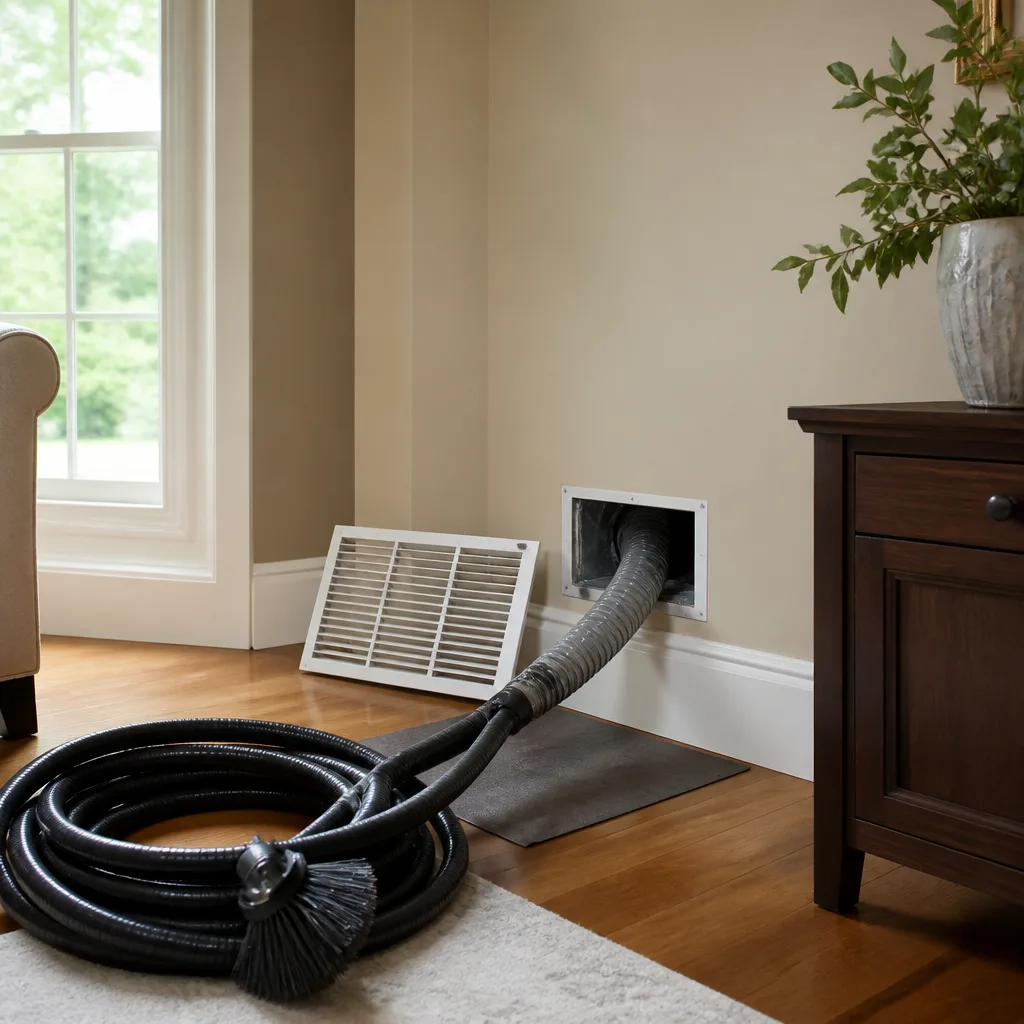
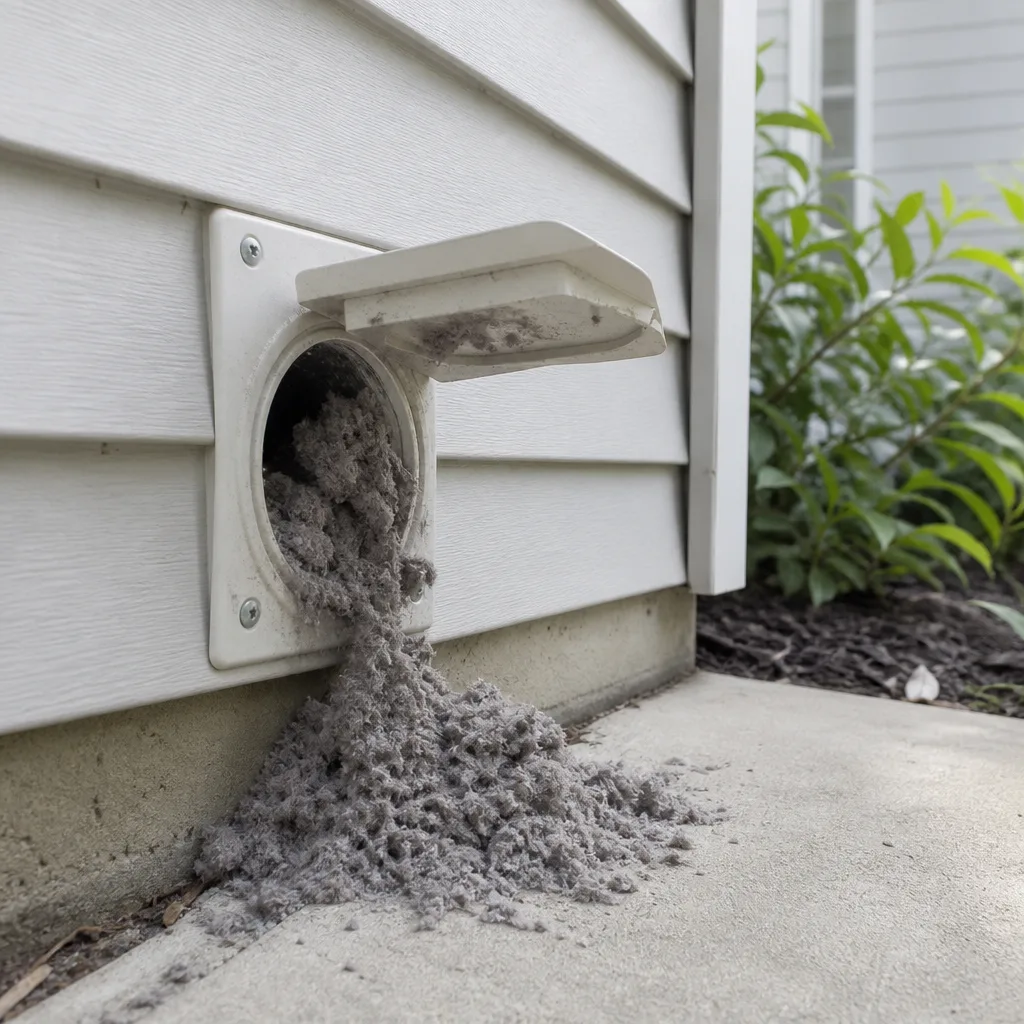
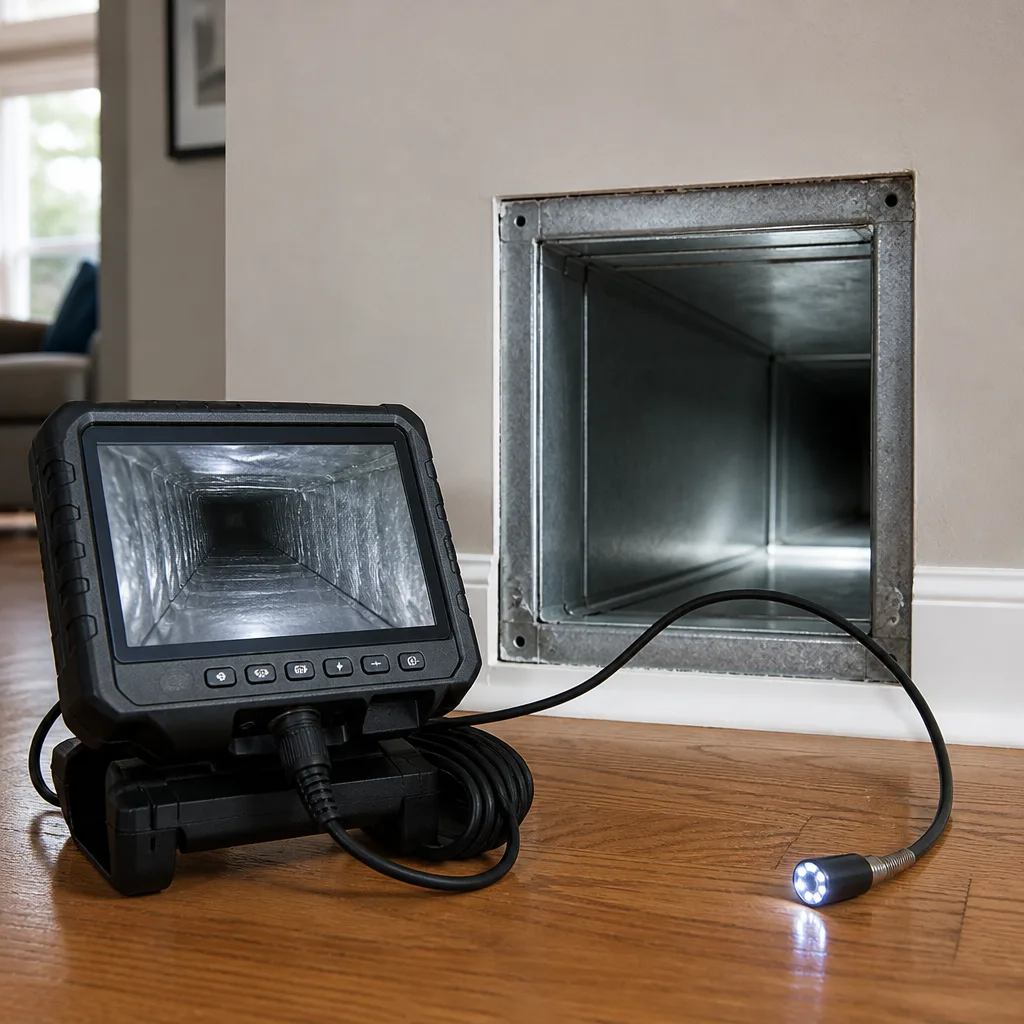
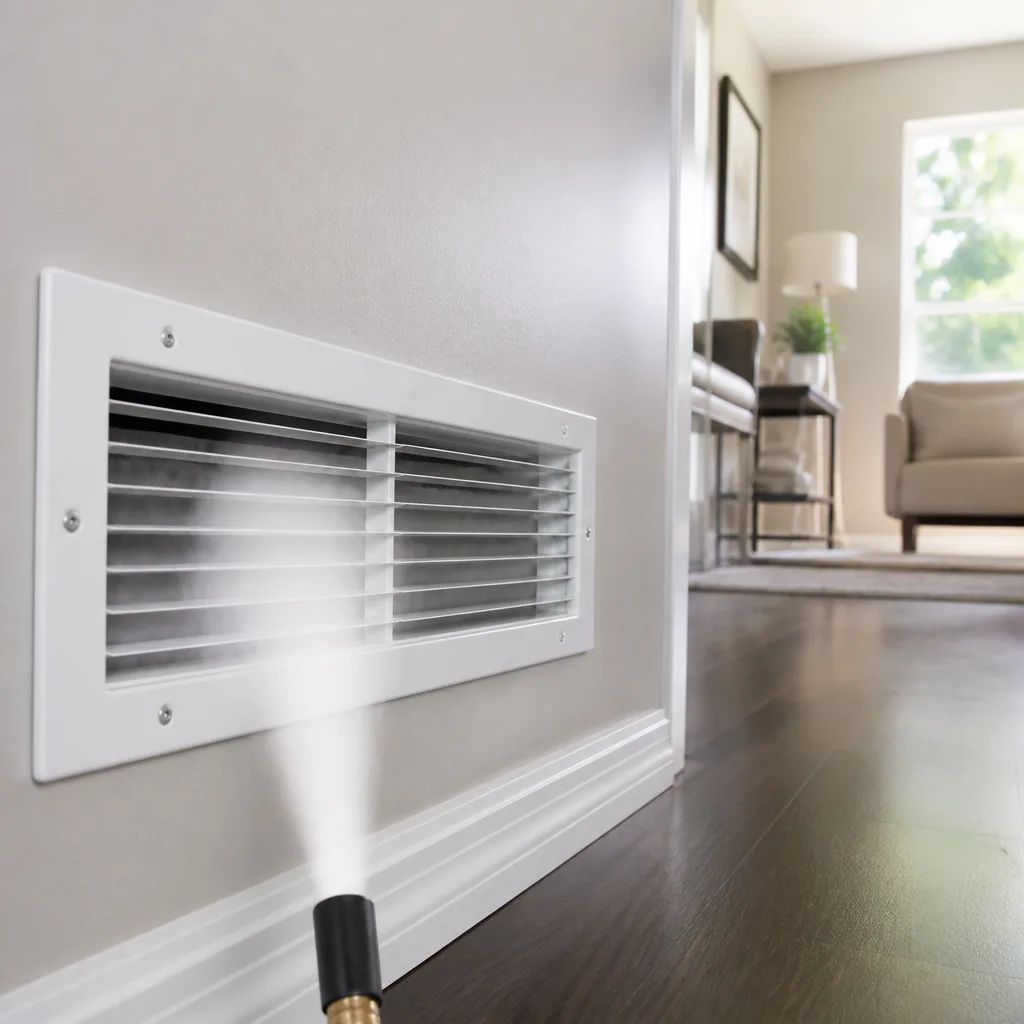
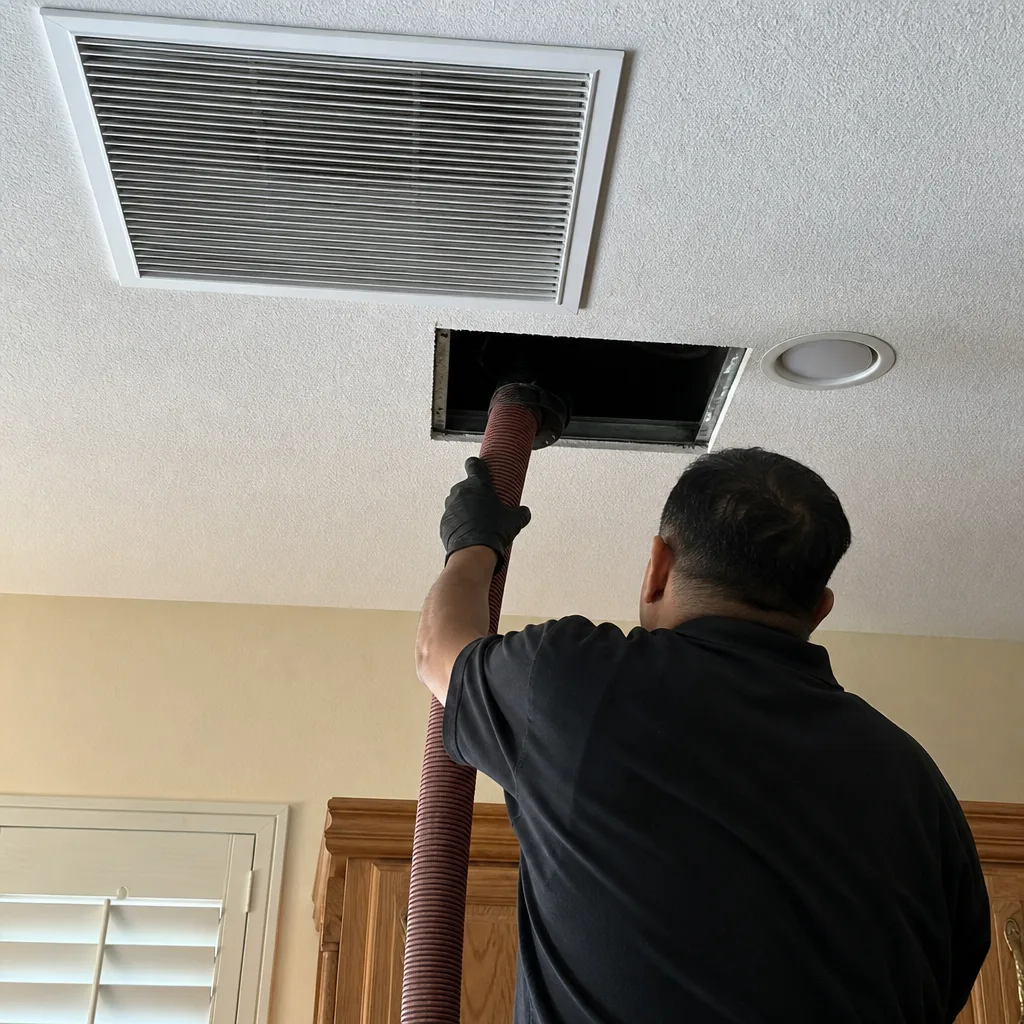
Whole-system duct and dryer vent check with before-and-after photos - you see exactly what came out of your vents
That "$99 whole-house special" is a bait ad - the real number appears once they are in your hallway, or the "clean" is a shop-vac at the register. We photograph the inside of your ducts before and after instead.
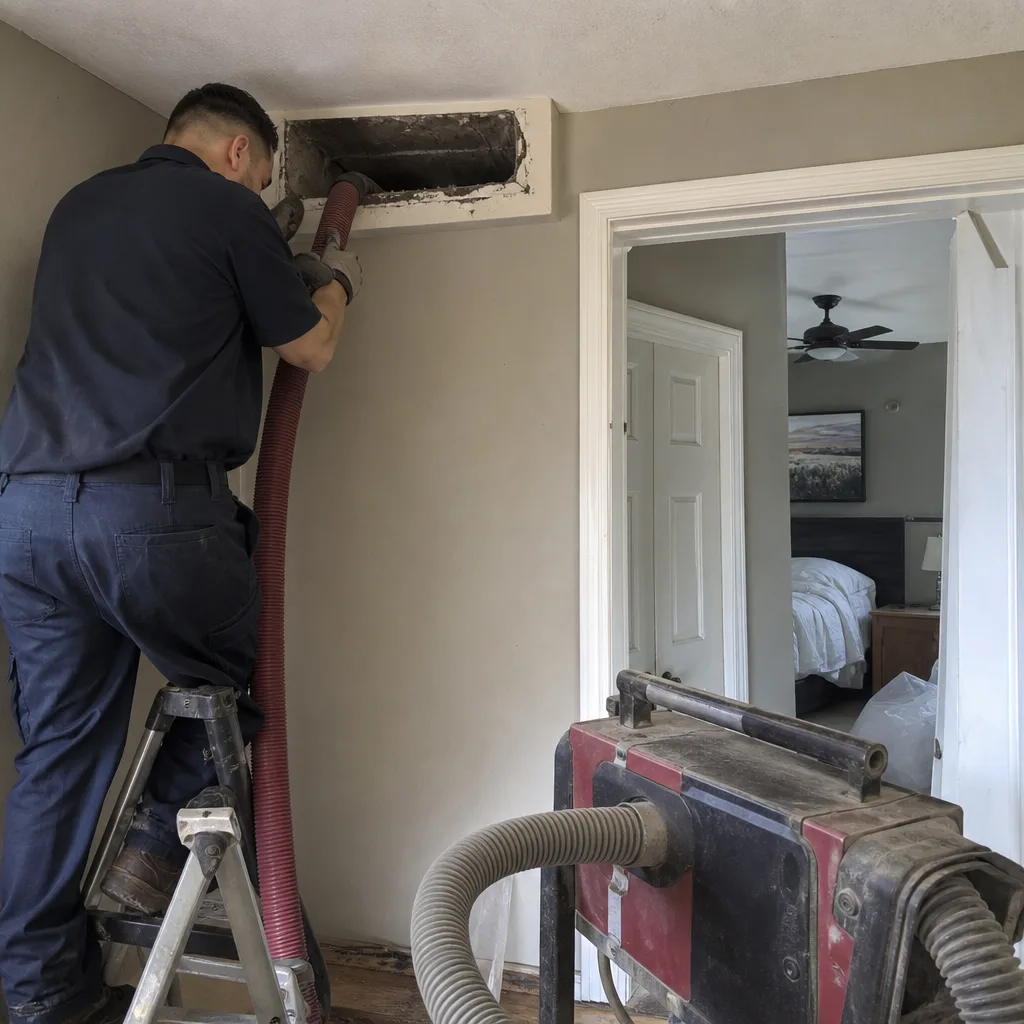 Before
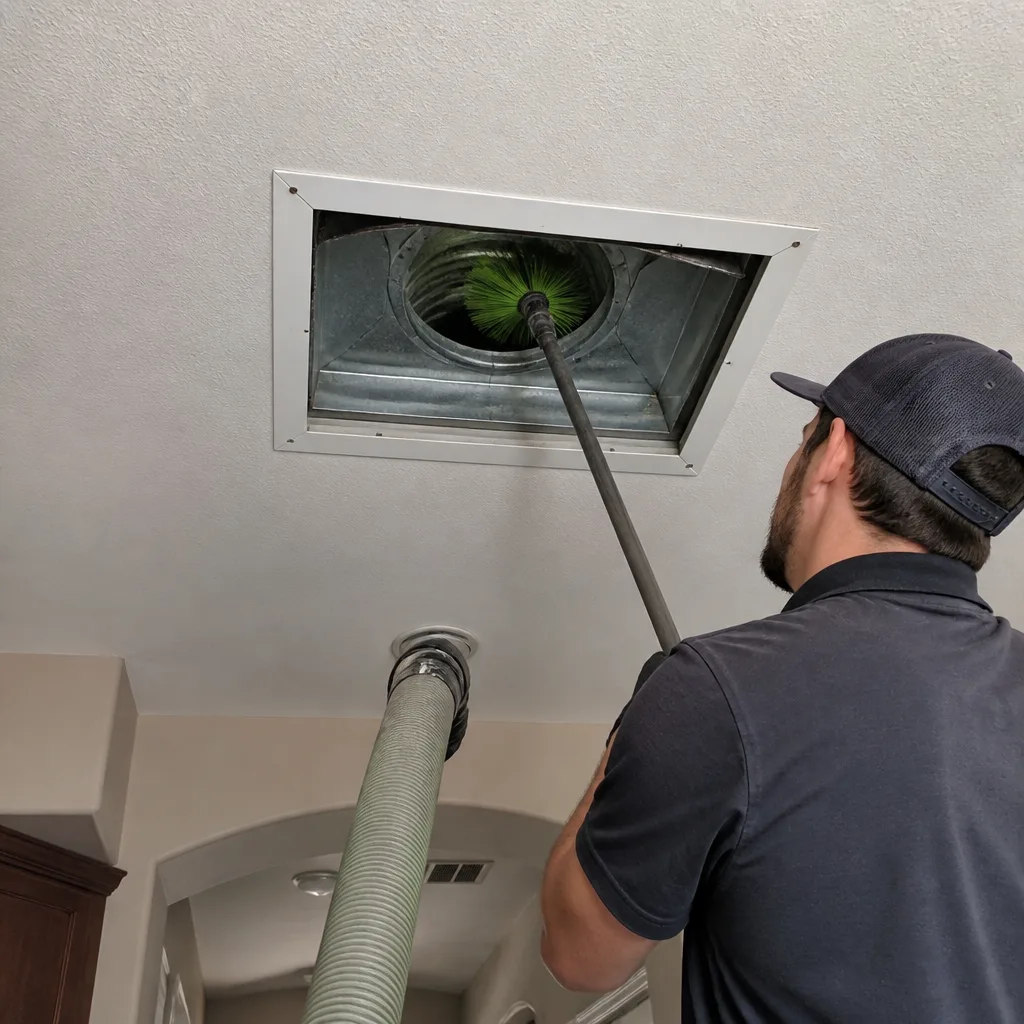 After
After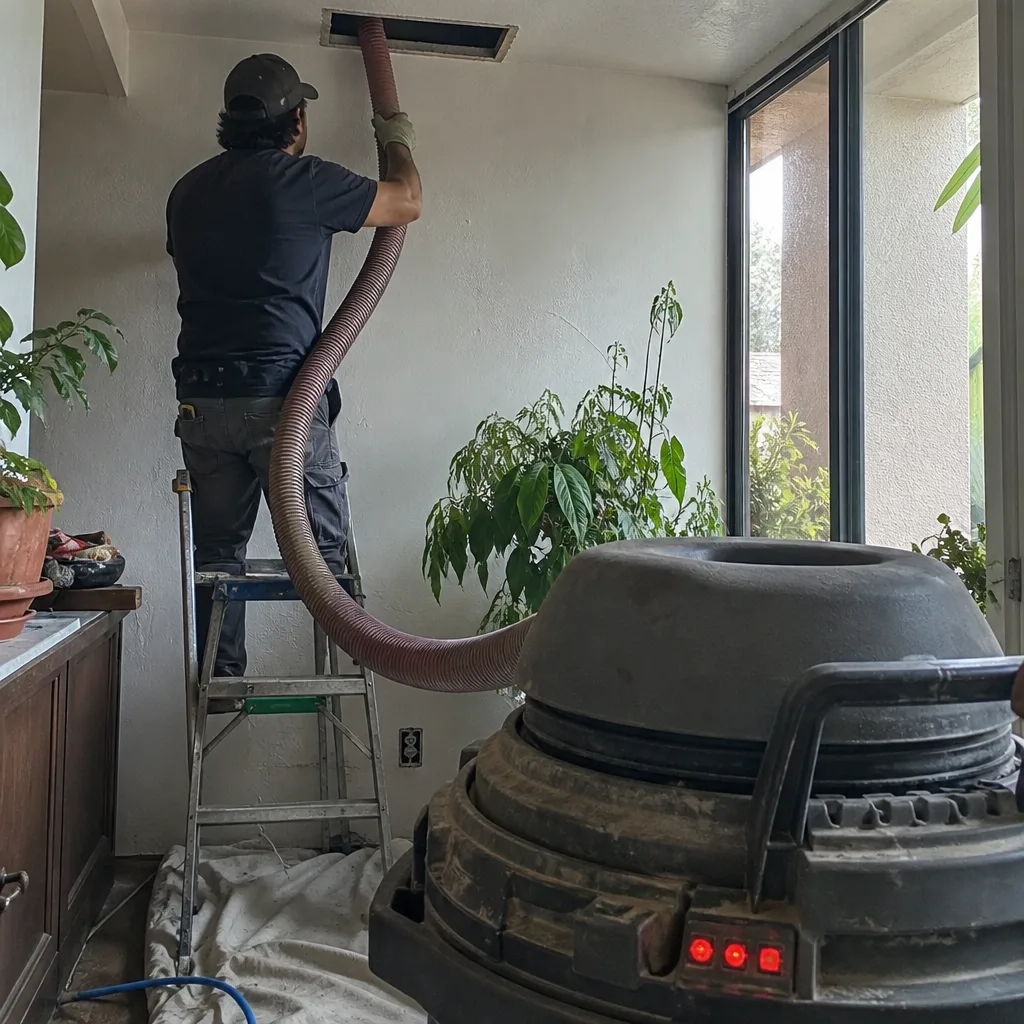 Before
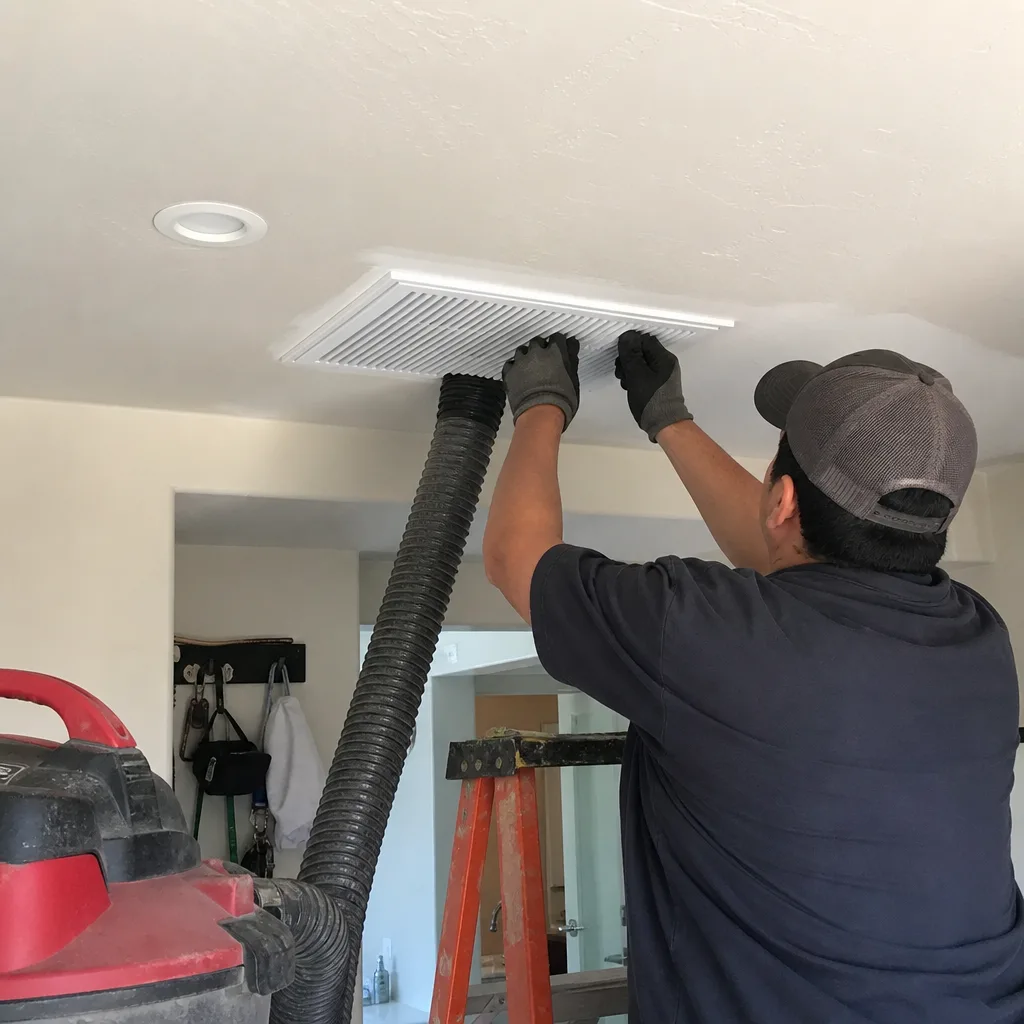 After
After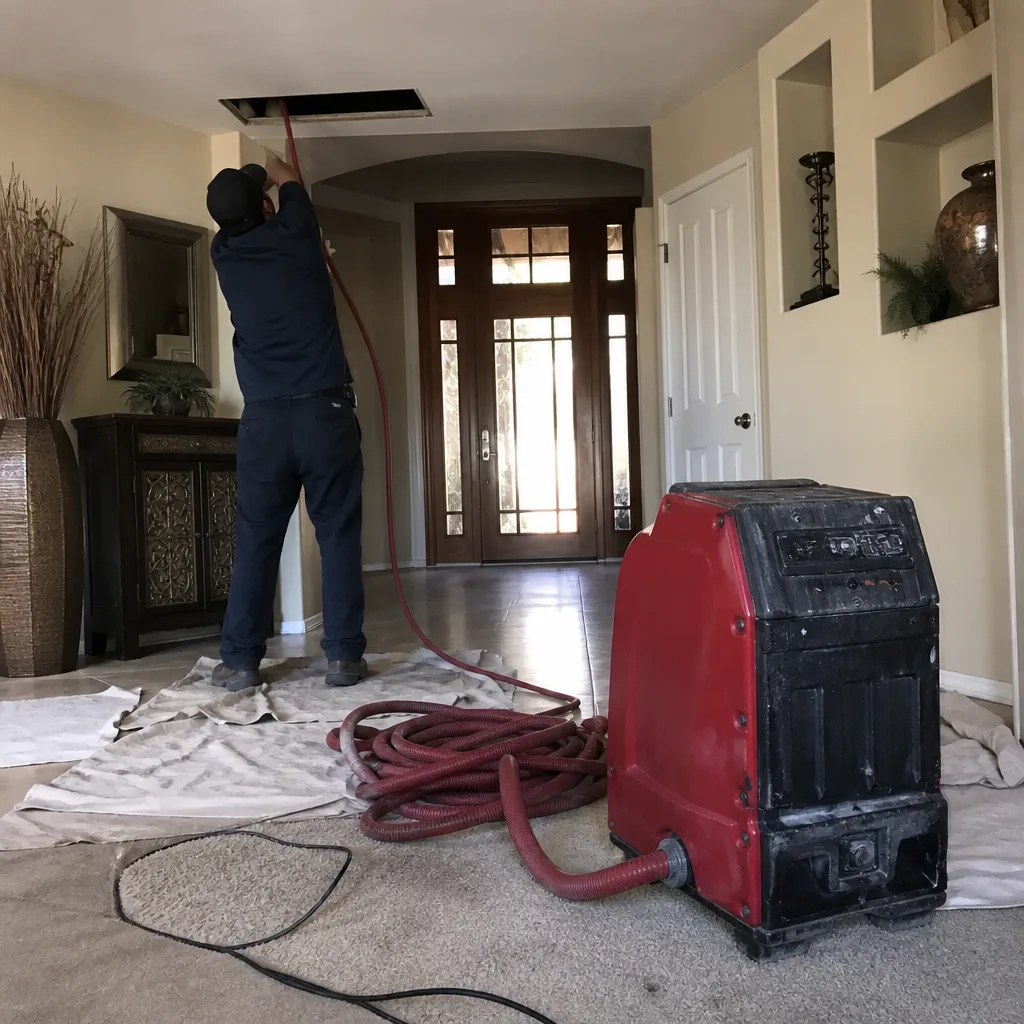 Before
 After
AfterSeasonal Air Duct Cleaning Care for Scottsdale: Year-Round Homeowner’s Guide
Between July 1 and September 30, Scottsdale’s outdoor dew point can spike from 10°F to 60°F in 48 hours when monsoon flow arrives. An air handler running in a 160°F attic that suddenly pulls humid air through a duct system with accumulated dust creates conditions for microbial growth that no amount of pre-season filter changing prevents. Most homeowners in Scottsdale treat air duct maintenance as a single annual task, or worse, a reaction to visible dust. That approach misses the Valley’s actual rhythm: two punishing thermal peaks, one narrow mild window, and a monsoon interval that introduces moisture into systems engineered for aridity. This guide maps what to check, when to check it, and what the findings mean for your home’s air quality and energy use.
Quick Answer
Scottsdale homeowners should schedule our Air Duct Cleaning services on a seasonal cycle rather than a calendar date: pre-summer inspection in April, moisture monitoring during July-September monsoons, post-storm assessment in October, and full cleaning with any repair work during November-February when system runtime is lowest and attic access is practical. Homes with pets, recent renovation, or located near active construction in North Scottsdale or McDowell Mountain Ranch typically need service every 2-3 years; others may extend to 4 years with consistent seasonal checks.
Table of Contents
- April Pre-Summer Inspection: The Most Critical Check of the Year
- Monsoon Season Protocol: July-September Moisture Management
- Post-Monsoon October Assessment: What the Storms Left Behind
- Winter Opportunity Window: November-February
- Year-Over-Year Comparison: How to Set Your Cleaning Frequency
- What Seasonal Duct Care Costs in Scottsdale
- Common Mistakes to Avoid
- When to Call a Professional
- Frequently Asked Questions
BeforeAfterApril Pre-Summer Inspection: The Most Critical Check of the Year
Six months of winter and spring operation in Scottsdale produces a specific accumulation pattern that differs from colder climates. From November through March, the system cycles less frequently but still moves air through returns positioned near floors where pet dander, pollen from early desert blooms, and fine dust from winter wind events settle. By April, the return plenum - the central collection box where all return ducts meet before the air handler - often holds a measurable debris layer that the camera shows as a gray-to-brown mat at the first elbow.
We documented a home in Grayhawk last April where the return plenum contained a 2.5-inch buildup of compacted material. The homeowner had changed filters quarterly. The filters were clean. The problem was bypass: air moving around a poorly seated filter through a gap in the rack, carrying unfiltered particulate directly into the plenum. This is common in Scottsdale, where high static pressure from undersized return ductwork in 1990s-2000s construction strains filter seals.
The April inspection serves three purposes. First, it identifies blockages before the cooling season’s 18-hour daily runtime begins. A partially blocked return plenum forces the air handler to work harder, increasing amp draw and wear on the blower motor. Second, it catches duct leakage that worsens efficiency when every kilowatt-hour matters. Third, it provides a baseline photo record for year-over-year comparison.
April Task List
- Remove and photograph the return plenum access panel. Look for debris buildup at the first elbow and along the bottom surface.
- Inspect filter rack seating. Check for gaps, warped frames, or filters that appear bowed toward the blower, indicating bypass.
- Run the system and hold a smoke pencil or thin ribbon at supply register edges. Movement toward the register indicates duct leakage in the supply trunk.
- Check condensate drain lines for algae or blockage. Scottsdale’s hard water produces calcium deposits that narrow drain lines over multiple seasons.
- Schedule professional inspection if debris exceeds 1 inch at any point, if bypass is visible, or if smoke testing shows leakage at more than two registers.
At CleanRun Air Duct Cleaning in Scottsdale, our April inspections include a Documented Photo Record of the return plenum and each supply run, delivered as part of the standard job record. The written price is agreed before any panel comes off, per Haven Standard Clause 1.
Monsoon Season Protocol: July-September Moisture Management
Scottsdale’s monsoon pattern is not merely rain. It is a rapid shift in atmospheric moisture content that affects duct systems engineered for a dry climate. Flex duct connections, the insulated flexible tubes that link rigid trunk lines to ceiling registers, are sealed with mastic or tape that degrades with thermal cycling. When dew point spikes and the air handler draws that humid air through small leaks, condensation forms on cool duct surfaces inside the attic.
The risk is localized microbial growth on organic debris already present in the duct. We have photographed this exact scenario in a McCormick Ranch home: a flex duct connection with a 3/8-inch gap in the seal, pulling attic air during the August 2023 monsoon spike. The camera showed darkening at the interior duct surface near the gap, consistent with moisture staining, while the remainder of the run remained clean. The homeowner reported a musty odor that appeared only during storm events and dissipated within 48 hours. That pattern is diagnostic for intermittent moisture intrusion.
What to Check During Monsoon Season
- Condensation at supply registers: Water staining or dampness on ceiling drywall around registers indicates duct leakage or inadequate insulation on flex runs passing through hot attic space. The cold supply air meeting humid attic air at a leak point produces visible condensation.
- Flex duct connections: From the attic, inspect where flex duct meets the register boot and the trunk line. Mastic should form a continuous seal. Tape that has curled or darkened needs replacement.
- Exhaust and intake vents: Wind-driven rain can enter through exterior hoods, especially on two-story homes where upper-level vents face prevailing storm winds. Check for water staining at the interior duct termination.
- System runtime patterns: Extended runtime during humid periods increases condensation risk. If the system runs continuously during afternoon storms, leakage points are under sustained stress.
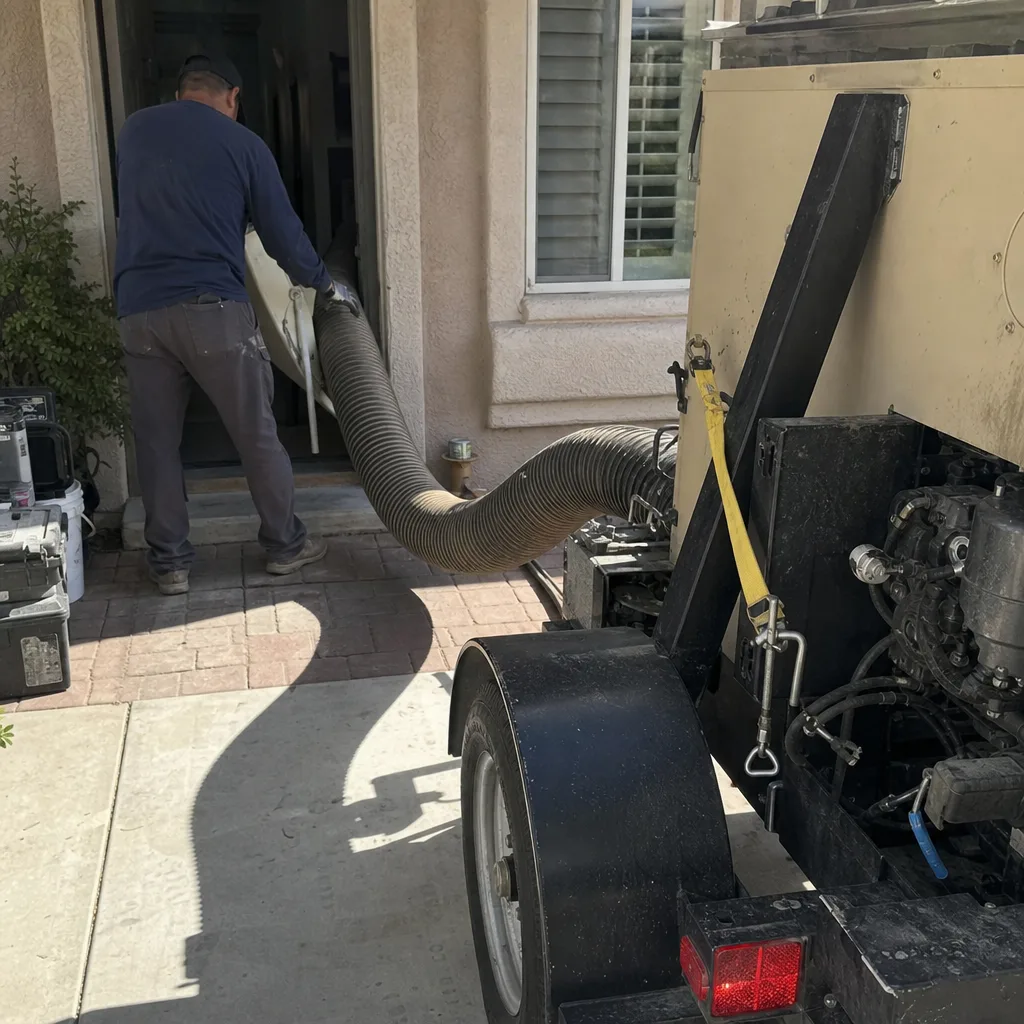
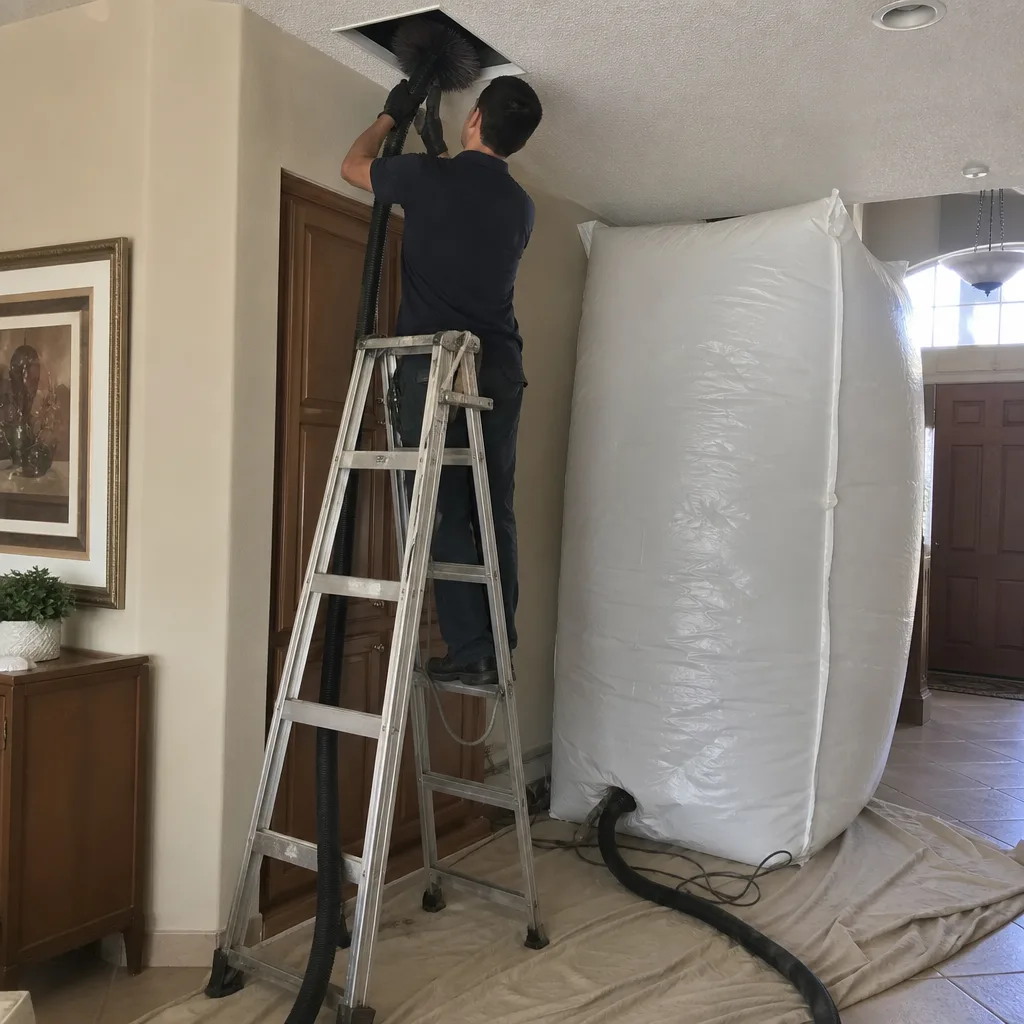
We do not recommend homeowner duct sealing in attics during summer. Attic temperatures in Scottsdale exceed 140°F in July, and flex duct work requires assessment of the full system layout. This is documented work: the photo record shows where moisture entered, what it affected, and what sealing or replacement resolves it. Our crews use negative-pressure extraction equipment from Abatement Technologies and Rotobrush systems to clean affected runs without spreading contamination.
Post-Monsoon October Assessment: What the Storms Left Behind
October in Scottsdale is the most underutilized maintenance window. The monsoon has passed, temperatures remain moderate, and the system has just completed its most stressful operating period. This is when debris introduced during high-wind events becomes visible, and when pest activity peaks as rodents and insects seek stable temperatures ahead of winter.
Scottsdale’s construction boom in North Scottsdale, Desert Mountain, and areas near the Loop 101 corridor produces ongoing dust generation that monsoon winds redistribute. We have found construction debris - drywall dust, wood particles, insulation fragments - in duct systems more than two miles from active sites. The 50-60 mph gusts common during July and August storms pull this material through exterior vents, around poorly sealed access panels, and through damaged screens.
October Visual Check Protocol
- Remove supply registers and inspect the boot and first 12 inches of duct with a flashlight and phone camera. Look for debris that appears different from household dust: uniform particles suggest construction material; irregular fragments may indicate pest activity.
- Check exterior vent screens for damage or gaps. Bird and rodent entry is most common in October as temperatures drop.
- Run the system and listen for whistling at registers, which indicates blockage or leakage that developed during summer stress.
- Compare current register condition to any prior photo record. New staining, debris patterns, or odor indicate changes requiring professional assessment.
Pest activity in Scottsdale ducts typically involves roof rats, pack rats, or pigeons at exterior vent terminations. The October inspection catches this before winter nesting begins. If droppings or nesting material are present, do not attempt removal without proper containment. Disturbing dried material releases particulate that the system will distribute. This is a documented cleaning scenario requiring HEPA containment and negative-pressure extraction, not a household vacuum.
For homes with dryer vent cleaning needs in Scottsdale, October is also the critical check for lint accumulation accelerated by summer’s heavy towel and swimwear loads.
Winter Opportunity Window: November-February
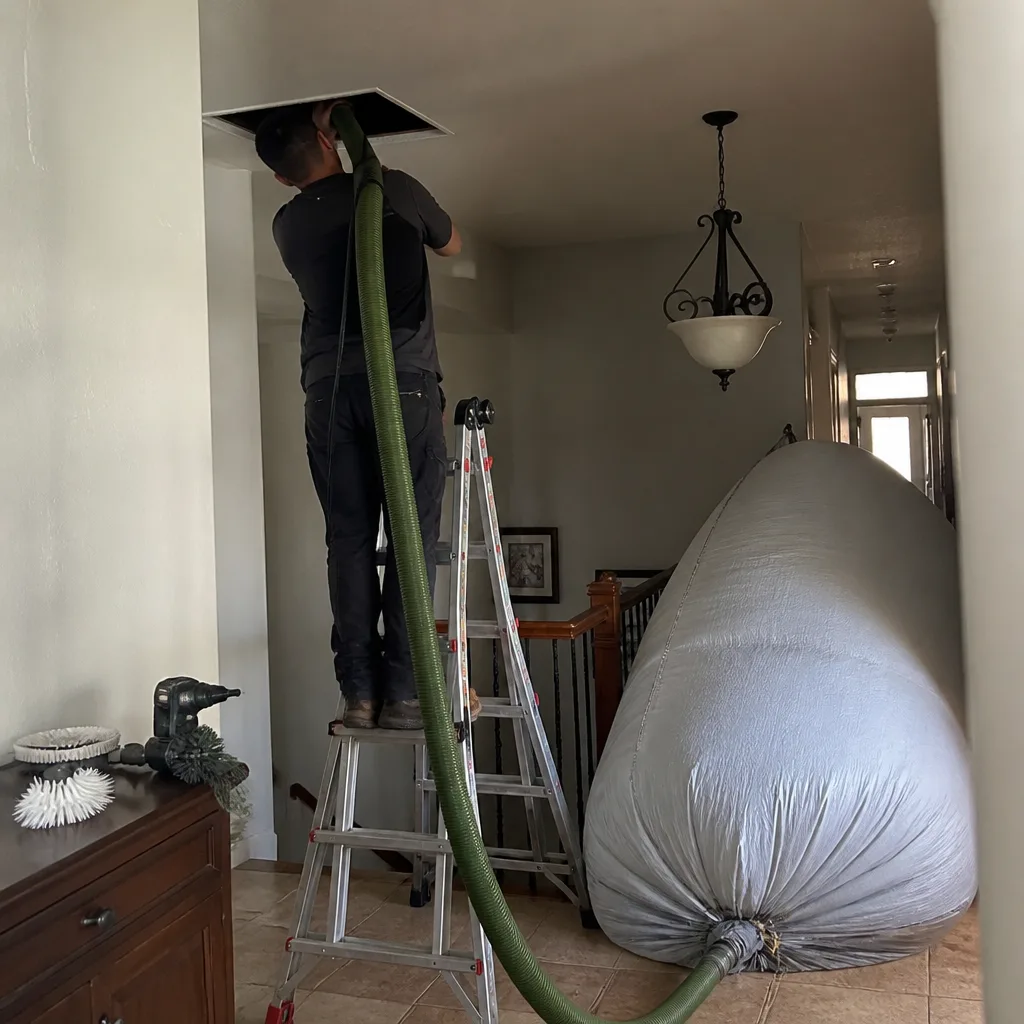
November through February is the single best period for full air duct cleaning and any repair work in Scottsdale. The reasoning is practical, not theoretical. Attic access is tolerable. System runtime is lowest, so the home is not without conditioning during extended work. And the demand for HVAC contractors drops, permitting scheduling flexibility without the urgency theater that dominates summer.
We schedule our most complex Scottsdale jobs - full system cleaning with duct sealing, register replacement, or plenum repair - during this window. The work requires 4-6 hours in the attic and at the air handler. In July, that means crew rotation and compressed schedules. In January, the technician can work methodically, photograph every run thoroughly, and verify seal integrity without heat stress affecting judgment or equipment.
The winter window also permits post-cleaning verification. After cleaning and any sealing work, the system can run for several weeks under light load before summer demand begins. This reveals any issues - a register not fully seated, a seal that shifts with thermal cycling - while correction is straightforward and the home is not dependent on continuous cooling.
What to Schedule in Winter
- Full system cleaning with documented photo record of every duct run
- Duct sealing with mastic or aerosol sealant for leakage reduction
- Register replacement or upgrade for damaged or inefficient units
- Air quality assessment including particulate measurement and filter upgrade recommendations
- Coordination with HVAC cleaning in Scottsdale for evaporator coil and blower cabinet service
CleanRun’s winter scheduling in Scottsdale typically runs 5-7 days out, compared to 2-3 weeks in July. The written price is delivered before work begins, and the 365-Day Done Right Promise covers any adjustment needed when summer demand resumes.
Year-Over-Year Comparison: How to Set Your Cleaning Frequency
The industry default of “every 3-5 years” is not calibrated to Scottsdale conditions. The correct interval depends on factors visible only through consistent documentation. We have served homes in Scottsdale since 2013, and the photo records show clear patterns that determine whether a homeowner needs service every 2 years or can extend to 4.
Factors That Shorten Cleaning Interval
- Proximity to active construction: Homes within 1 mile of major development in North Scottsdale, Paradise Valley adjacent areas, or near the 101 corridor show 40-60% faster debris accumulation.
- Pet density: Multiple shedding pets, especially breeds with fine undercoats, produce dander that penetrates standard filters and compacts in return plenums.
- System age and design: Homes built 1995-2010 in Scottsdale commonly have undersized return ducts and single-filter configurations that increase bypass and accumulation.
- Monsoon exposure: Homes with rooflines or vent orientations that catch direct wind-driven rain show more frequent moisture staining and associated debris adhesion.
- Occupant sensitivities: Allergy or asthma sufferers benefit from shorter intervals regardless of visible debris levels.
Using Photo Records for Decision-Making
The Documented Photo Record is not merely proof of work completed. It is a diagnostic timeline. Compare the return plenum photo from this winter’s service to the prior cycle. If debris buildup increased from 0.5 inches to 1.5 inches in the same interval, the interval should shorten. If accumulation remained stable, extension is reasonable.
We provide these records as standard deliverables, not add-ons. A homeowner in DC Ranch used four years of photos to determine that their interval could extend from 2 to 3 years after duct sealing reduced bypass by approximately 30%. The photos showed the mechanism; the decision followed the evidence.
What Seasonal Duct Care Costs in Scottsdale
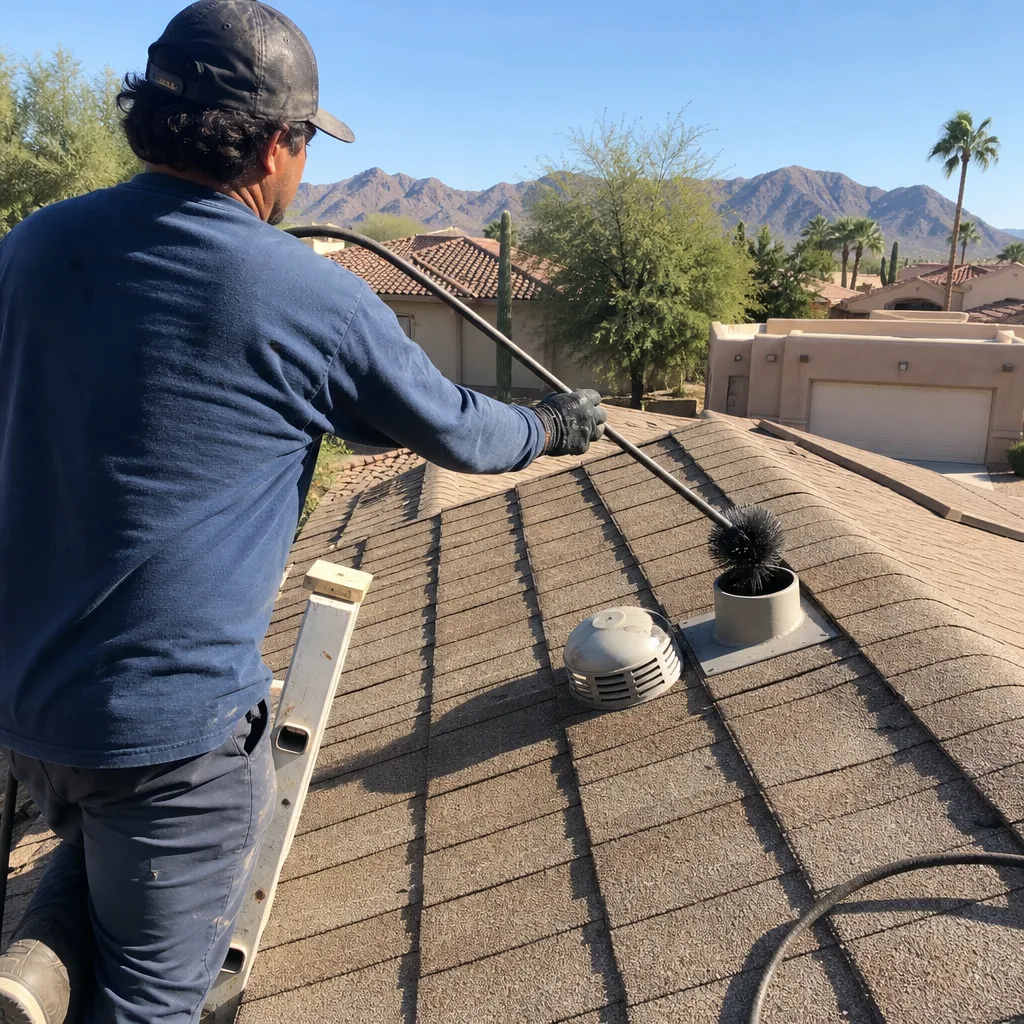
Honest pricing for air duct cleaning in Scottsdale requires whole-system quotes, not per-vent teasers. The per-vent model incentivizes incomplete work: a low base price with escalating costs once the crew arrives. CleanRun operates under Haven Standard Clause 1: written price before any work starts, every time.
Typical Investment Ranges
| Service | Scottsdale Market Range | What’s Included |
|---|---|---|
| Full air duct cleaning (single system, typical 3-4 bedroom home) | $450-$750 | All supply and return runs, return plenum, trunk lines, documented photo record, written scope |
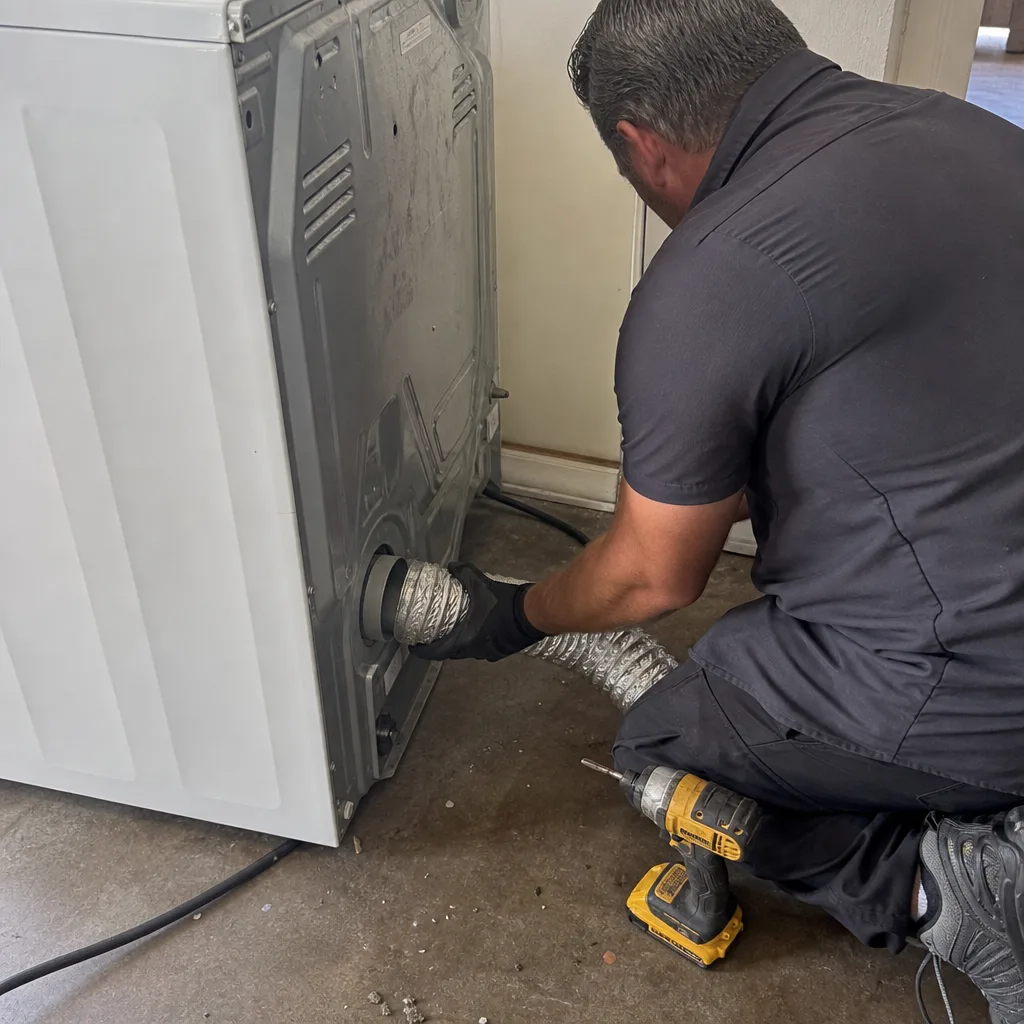
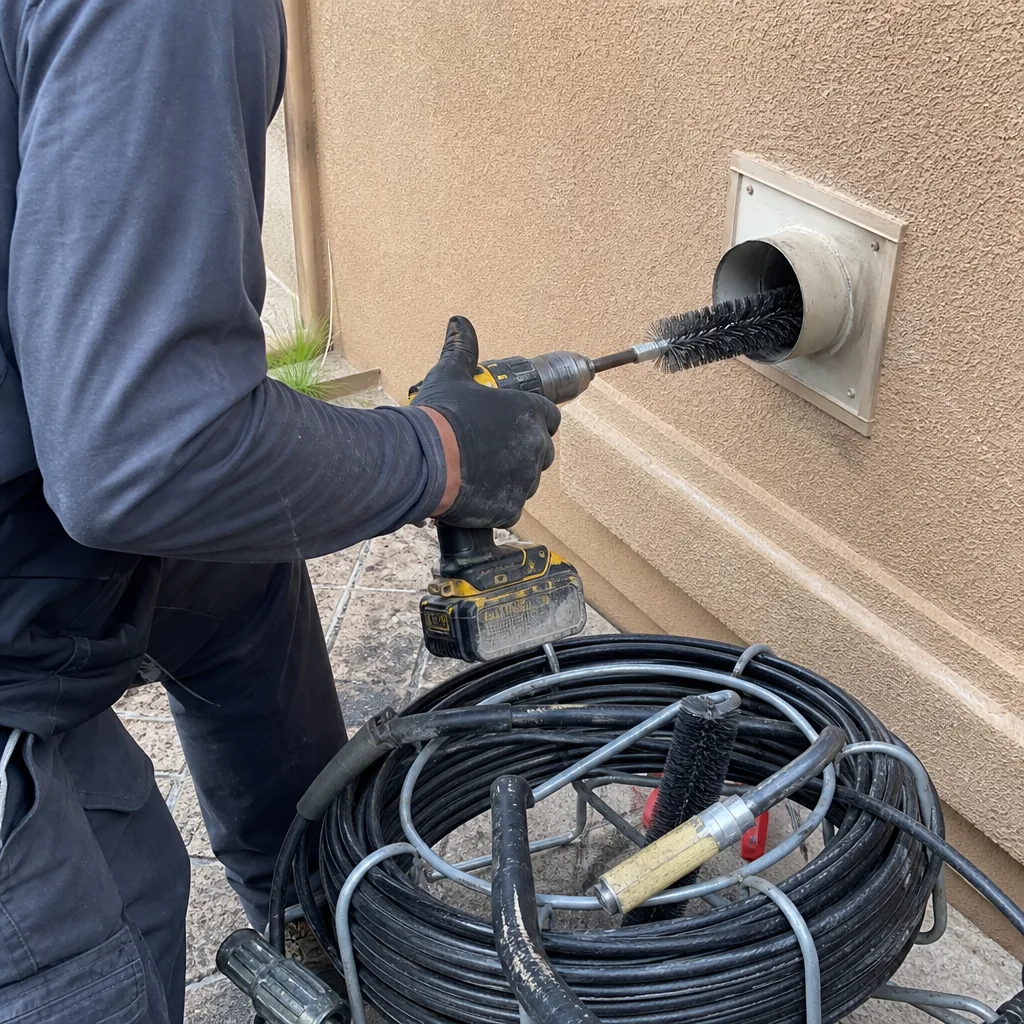
| Dryer vent cleaning | $120-$200 | Full duct run from appliance to exterior termination, airflow verification |
| HVAC cleaning (evaporator coil, blower cabinet) | $250-$400 | Coil cleaning, blower removal and cleaning, drain pan treatment |
| Duct sealing (aerosol or mastic) | $800-$1,500 | Leakage testing, sealing application, post-test verification |
| Combined seasonal package (duct + dryer + HVAC) | $700-$1,100 | Coordinated single visit, single written price, full photo documentation |
These ranges reflect Scottsdale’s market conditions: higher labor costs than national averages, larger typical home sizes in service areas, and the specialized equipment required for desert-climate duct systems. The Free Second Opinion on any written estimate means you can bring a competitor’s quote; we will put our number next to it in writing, with line-item transparency.
No per-vent pricing. No post-arrival adjustments. The price you approve is the price on the invoice.
Common Mistakes to Avoid
- Waiting for visible dust at registers: Register dust is the last symptom, not the first. By the time debris is visible at supply outlets, the return plenum and trunk lines are heavily loaded. The camera shows what registers hide.
- Changing filters more frequently without checking fit: A high-MERV filter in a poorly sealed rack increases bypass and motor strain. The filter is only as good as its seal.
- Ignoring monsoon moisture as a one-time event: Scottsdale homeowners often dismiss monsoon mustiness as temporary. Recurrent moisture intrusion degrades mastic, corrodes metal fittings, and creates conditions for recurring issues that compound over seasons.
- Scheduling full cleaning in July: The worst time for extended attic work, highest contractor demand, and greatest disruption to home cooling. The work can be done; it is simply the most expensive, stressful, and least verifiable timing.
- Accepting “blow-and-go” service: Cleaning without photo documentation, without trunk line access, or completed in under 90 minutes for a typical home, is not thorough work. The Rotobrush and Nikro equipment we use requires time to agitate, extract, and verify.
- Neglecting the dryer vent: Lint accumulation is independent of duct cleanliness and creates fire risk. The October check should include dryer vent inspection, or coordinate with dryer vent cleaning in Scottsdale.
- Treating all rooms as equal: Master bedrooms with en-suite baths and extended flex duct runs show different accumulation patterns than central living areas. A whole-system photo record reveals these variations; a single “before and after” at one register does not.
When to Call a Professional
Call for assessment when you observe condensation at supply registers during or after monsoon storms, when a musty odor appears intermittently and resolves within 48 hours, when system runtime increases without thermostat change, or when any prior photo record shows accelerating debris accumulation. These are not emergencies; they are signals that the system’s condition is changing and documented inspection will clarify whether cleaning, sealing, or repair is appropriate.
CleanRun Air Duct Cleaning Scottsdale offers free estimates in Scottsdale. Call (928) 267-0992 to schedule. Every estimate includes written pricing before work begins, and our crews operate under Haven Standard Clause 3: Verified Crews - background-checked, uniformed, identified by name before arrival.
Frequently Asked Questions
Full air duct cleaning for a typical Scottsdale home ranges from $450 to $750 for a single system, depending on home size, duct accessibility, and whether dryer vent or HVAC cleaning is included in the same visit. This covers all supply and return runs, the return plenum, trunk lines, and a documented photo record of every duct run before and after. Call (928) 267-0992 for a written estimate specific to your home - estimates are free, and the price is agreed before any work starts.
Low quotes typically use per-vent pricing that escalates once the crew arrives, or they describe a “blow-and-go” service without trunk line cleaning, photo documentation, or proper containment. In Scottsdale, we have inspected ducts after $99 services that cleaned only the first 18 inches of visible duct and left the return plenum untouched. The written price before work begins, with line-item scope, is the only way to compare actual value.
Demand a documented photo record of the inside of every duct run, delivered as part of the standard job record. At CleanRun, this has been our practice since 2013. The photos show the condition before work, the condition after, and the specific locations accessed. Without this documentation, you have only the technician’s word.
Most Scottsdale homes benefit from full cleaning every 3-4 years, with seasonal inspections in between. Homes near active construction, with multiple pets, or with documented moisture intrusion during monsoons should consider every 2-3 years. The year-over-year photo record is the objective basis for this decision, not calendar habit.
Yes. The rapid dew point spikes during Scottsdale’s monsoon season introduce humidity into duct systems engineered for aridity. When humid air enters through leaks and contacts cool duct surfaces, condensation forms on accumulated debris. This creates staining, odor, and conditions for microbial growth that dry-season operation does not produce. The October inspection specifically checks for these effects.
For full cleaning and any repair or sealing work, yes. Attic temperatures are tolerable, system runtime is lowest, and scheduling flexibility is greatest. The work can be verified under light load before summer demand begins. Summer cleaning is possible and sometimes necessary, but winter is the optimal window for thorough, unhurried work with full documentation.
The Bottom Line
Scottsdale’s climate demands a duct maintenance calendar that respects its actual pattern: pre-summer inspection in April, moisture vigilance through monsoon season, post-storm assessment in October, and comprehensive service during winter’s practical window. The homeowners who maintain consistent photo records and adjust their intervals based on documented accumulation, rather than calendar habit or coupon timing, get better air quality, lower energy costs, and systems that survive the Valley’s thermal extremes. The work is not mysterious. It is observable, photographable, and priced in writing before it begins. Explore more guides & resources to maintain your system year-round.
Written by Tomas Reyes, Owner at CleanRun Air Duct Cleaning Scottsdale, serving Scottsdale since 2013.